
Cancer treatment in China
If you are considering a cancer second opinion in China, start with your cancer type, existing records and the question you want reviewed. Use this guide to find relevant specialists and hospital resources. Ask the hospital what it needs to assess your case and confirm costs and timing before you travel.
What question would you most like to address now?
Start with your current needs to view care information, service prices or the relevant steps for seeking treatment.
Want to review your current plan?
What directions can still be assessed after recurrence?
How much should I budget for care in China?
How will care continue after returning home?
Start with your cancer type
Start with the records you already have. Each cancer page covers disease subtypes, treatment options, hospital and technology resources, and preparation for care in China.
Lung cancer
What information affects the choice of surgery, targeted therapy and immunotherapy?
Thyroid cancer
Thyroid and cervical lymph node ultrasound and pathology reports
Colorectal cancer
Colonoscopy and biopsy or surgical pathology
Breast cancer
Pathology, ER, PR and HER2 testing, and available Ki-67 results
Liver cancer
Original contrast-enhanced liver CT/MRI and pathology, if completed
Gastric cancer
Gastroscopy, pathology, immunohistochemistry and available molecular testing
Oesophageal cancer
Gastroscopy, pathology and lesion location
Prostate cancer
Serial PSA results, biopsy pathology and grade
Cervical cancer
Cervical biopsy or cone excision pathology
Pancreatic cancer
Original contrast-enhanced pancreatic CT/MRI
Lymphoma
Complete pathology, immunohistochemistry and materials available for review
Leukaemia
Bone marrow morphology, flow cytometry, chromosome and molecular testing
Bone and soft tissue tumors
Did a scan find a mass that may be a bone tumor or soft tissue sarcoma? Find out which scans to bring, who should plan the biopsy, and how to have existing pathology reviewed.
Why choose China
Explore specialist resources, access pathways for medicines and medical devices, and cost preparation to understand care in China and the conditions that need to be confirmed for your circumstances.
 Learn why patients consider China
Find a team focused on your type of tumour
Sun Yat-sen University Cancer Center recorded more than 1.84 million outpatient visits and 45,492 operations in 2023, with several disease-specific departments for exploring teams by tumour type.
Some clinically urgently needed medicines and devices have additional application pathways
If routine options are limited, ask eligible Hainan Boao Lecheng hospitals about clinically urgently needed imported medicine and device pathways.
What do published international department charges tell you?
Some hospitals publish individual international medical charges. Total budget comparison still needs written quotes covering the same treatment scope.
Explore Chinese hospitals and specialist resources
The following are selected oncology resources from the directory and do not indicate rankings or platform partnerships. After receiving your medical records, SinoCareHub can help contact hospitals to confirm the appropriate campus and department, care arrangements and any additional records needed. The hospital's response governs.
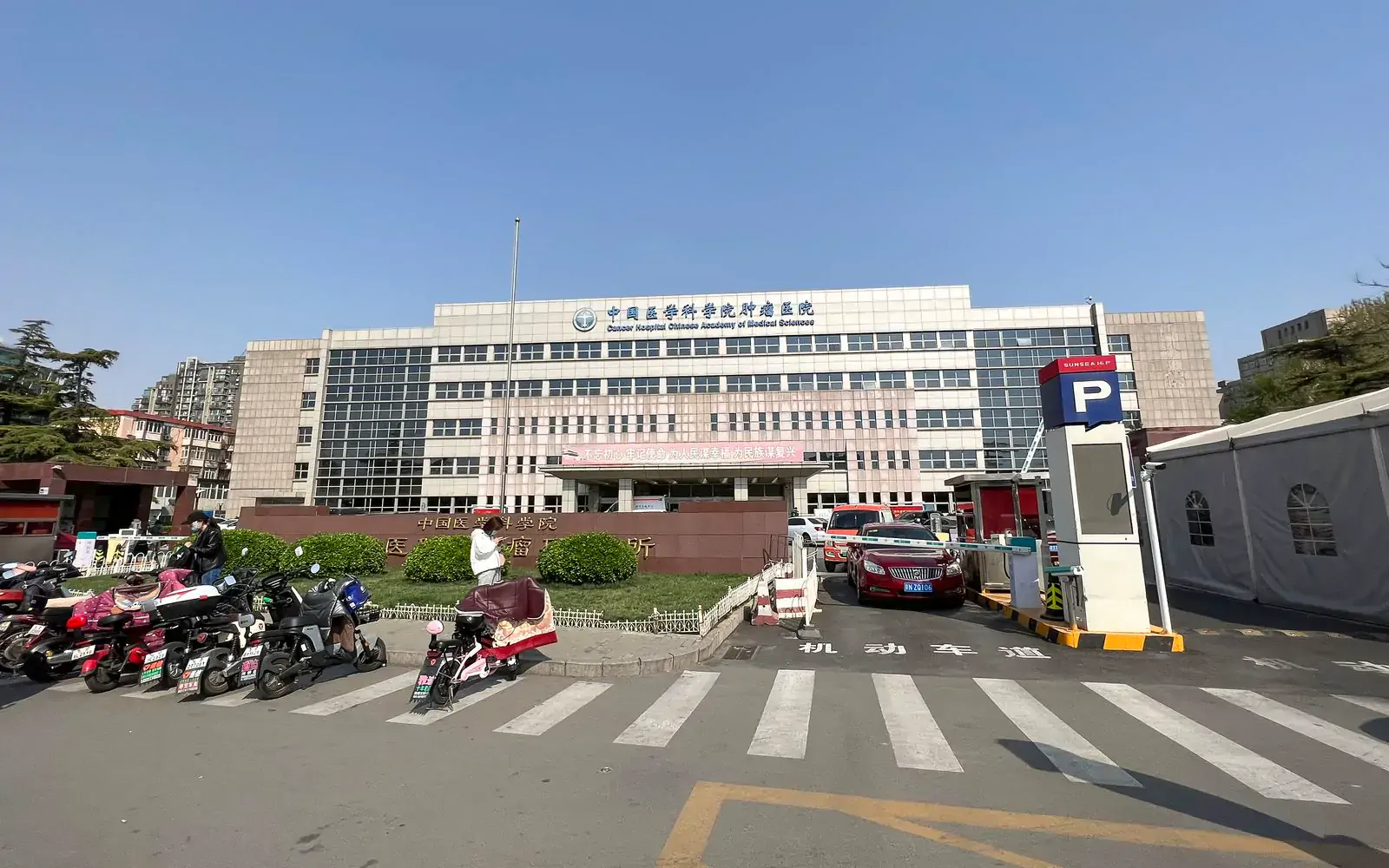
Cancer Hospital, Chinese Academy of Medical Sciences
Specialist medical institutionCore StrengthsMedical oncology (lung and breast cancers), Radiation oncology, Head and neck surgery (thyroid), Thoracic surgery (esophageal cancer)
SpecialtiesOncologyRadiotherapyThoracic surgery
Address: Main Campus: No. 17 Panjiayuan Nanli, Chaoyang District, Beijing; Langfang campus: No. 67 Huayuan Road, Langfang Economic and Technological Development Zone, Hebei
Website: www.cicams.ac.cn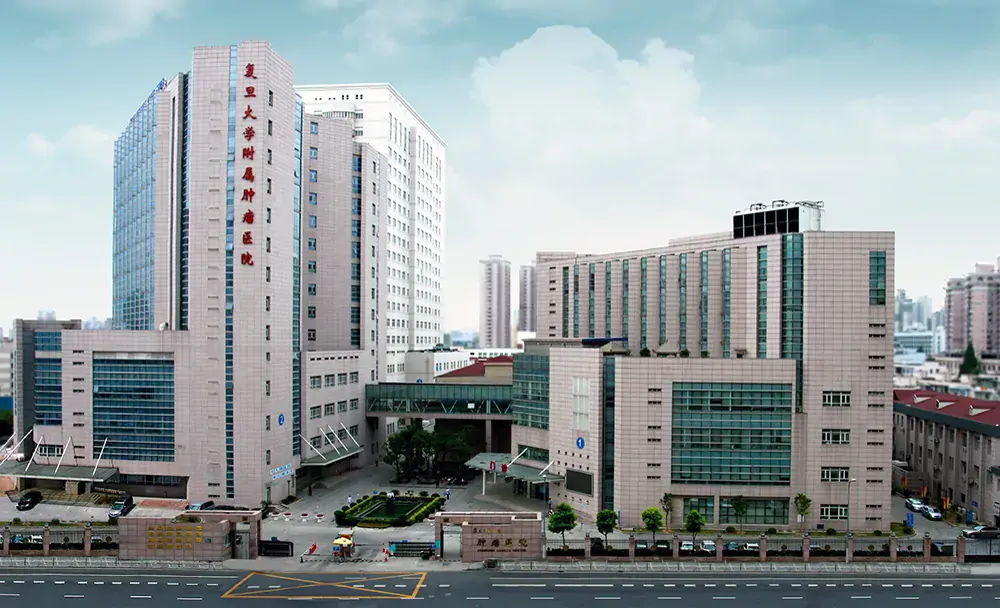
Fudan University Shanghai Cancer Center
Specialist medical institutionCore StrengthsBreast cancer, Pancreatic cancer, Colorectal cancer, Gynecologic oncology, Radiation oncology
SpecialtiesOncologyRadiotherapy
Address: Main Campus: No. 270 Dong'an Road, Xuhui District, Shanghai; Pudong Campus (浦东院区): No. 4333 Kangxin Highway, Pudong New Area, Shanghai
Website: www.shca.org.cn
Sun Yat-sen University Cancer Center
Specialist medical institutionCore StrengthsNasopharyngeal Carcinoma Diagnosis and Treatment, Medical Oncology for Lung Cancer, Interventional Therapy for Liver Cancer, Radiotherapy, Lymphoma
SpecialtiesOncologyRadiotherapyHematology
Address: Yuexiu Campus: No. 651 Dongfeng East Road, Yuexiu District, Guangzhou; Huangpu Campus: No. 1 Kaiyang 5th Road, Sino-Singapore Guangzhou Knowledge City, Huangpu District, Guangzhou
Website: www.sysucc.org.cnDoctors who treat cancer

Chief Physician · Associate Professor
Beijing Chaoyang Hospital, Capital Medical University
BeijingThoracic Surgery
Lung CancerPulmonary NodulesEsophageal CancerMediastinal TumorsLung Transplantation
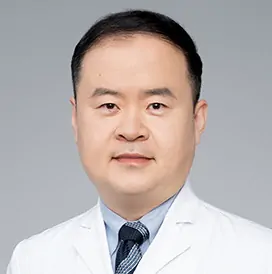
Chief Physician · Professor
Peking University People's Hospital
BeijingBreast Surgery
Breast CancerBreast-Conserving SurgeryOncoplastic SurgeryBreast ReconstructionBreast Cancer Comprehensive Treatment
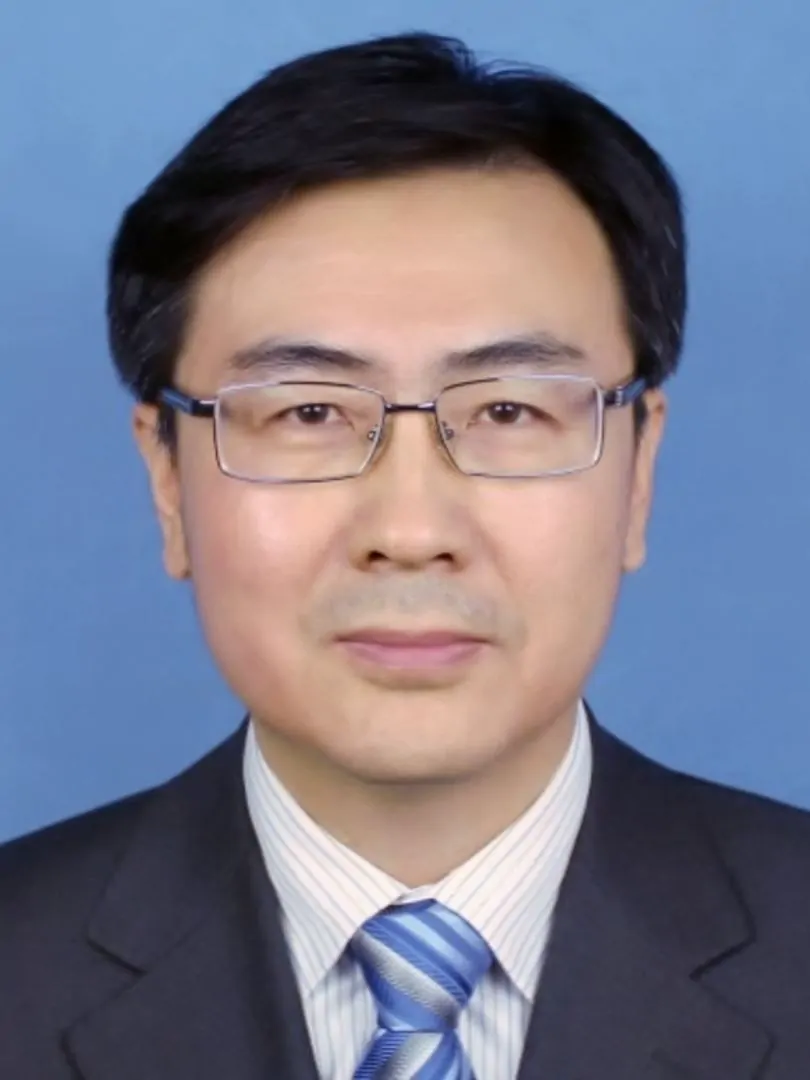
Distinguished Expert · MD
Peking University First Hospital
BeijingUrology
Complex Urological ConditionsUrological TumorsKidney TransplantationComplex Urological SurgeryMinimally Invasive Surgery
Chief Physician · Professor
Peking University People's Hospital
BeijingOrthopedic Oncology
Bone TumorsOsteosarcomaBone MetastasisSpinal TumorsPediatric Bone Tumors
From preparing records to follow-up at home
The eight-step process has four stages. Review the records to prepare, arrangements to confirm and coordination support SinoCareHub can provide. The receiving hospital and doctors are responsible for diagnosis and treatment.
- Records and assessment
Step 1: Organise records and your goals for care
Organise your diagnosis, pathology, imaging and treatment timeline. State whether you want a second opinion, treatment assessment or ongoing care. SinoCareHub can help organise records and contact hospitals.
Confirm in this step: Condition summary, available records and questions to resolve
- Records and assessment
Step 2: Hospital assessment and second opinions
The hospital confirms whether it can accept your records and whether translation, pathology review or an in-person consultation is needed. A response based on records reviewed remotely is not a formal treatment plan.
Confirm in this step: Hospital response, additional records required and further assessment format
- Care arrangements and travel
Step 3: Confirm the institution, department and costs
Check the campus, department, assessment time and written cost breakdown. For complex cases, ask whether an MDT consultation is needed and which decisions must wait until an in-person visit.
Confirm in this step: Care arrangements, itemised estimate and cancellation or change conditions
- Care arrangements and travel
Step 4: Check entry and travel conditions
Check visa or visa-free conditions according to passport nationality, place of residence, purpose of travel and expected stay. The hospital decides whether it can issue medical documents. The responsible authorities decide visas and entry.
Confirm in this step: Valid travel documents, required paperwork and a flexible itinerary
- In-person consultation and treatment
Step 5: In-person consultation and necessary review on arrival
Bring original records and your current medication list. The hospital determines additional tests, pathology review, staging and treatment tolerance assessment according to your condition. Repeating every test is not assumed.
Confirm in this step: Consultation findings, necessary tests and treatment discussion
- In-person consultation and treatment
Step 6: Treatment and supportive care
After informed consent, receive treatment as arranged by the hospital. Confirm needs for side-effect management, nutrition, pain care, interpreting and caregiving. Special access to medicines or devices and trial enrolment each require separate eligibility.
Confirm in this step: Treatment records, monitoring plan and emergency medical contacts
- Return travel and follow-up
Step 7: Discharge and return travel
Obtain the discharge summary, pathology, imaging, treatment and medication records. Confirm how to obtain translations, follow-up dates and fitness to fly. Discharge does not mean you can immediately make a long journey.
Confirm in this step: Discharge records, travel assessment, subsequent prescriptions and care plan
- Return travel and follow-up
Step 8: Follow-up and reassessment after returning home
Clarify local tests, how to send results and who explains them. The hospital confirms the scope of remote follow-up. Seek local medical care promptly for severe symptoms.
Confirm in this step: Local receiving doctor, follow-up dates and management of abnormal results
What other directions can be assessed beyond your current treatment?
First learn which patients may be assessed further, the treatment approach offered by each technology and how it can be accessed in China. The full guide can be searched by cancer type and explains conditions of use, evidence, costs and preparation for care.
View treatment directions and eligibilityPatients' experiences of cancer treatment in China
Explore different patients' actual treatment experiences in China, including the receiving hospital, treatment process and results at the reported stage.
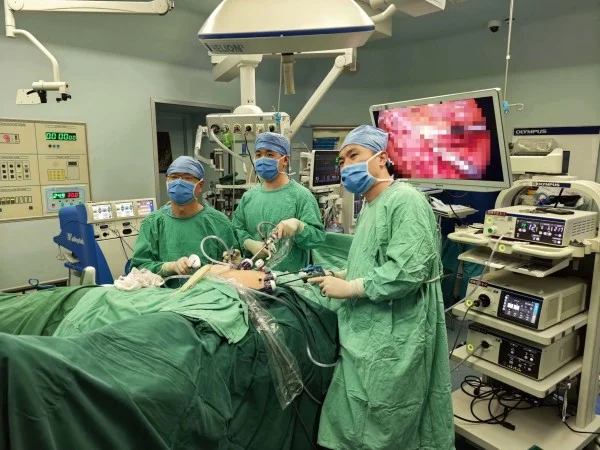
Placement of an inferior vena cava filter followed by laparoscopic rectal cancer resection
Looking ahead to 100 with expert care | Beijing Chao-Yang Hospital successfully performs complex minimally invasive colorectal cancer surgery on a 96-year-old retired employee
China · Beijing
Read the full story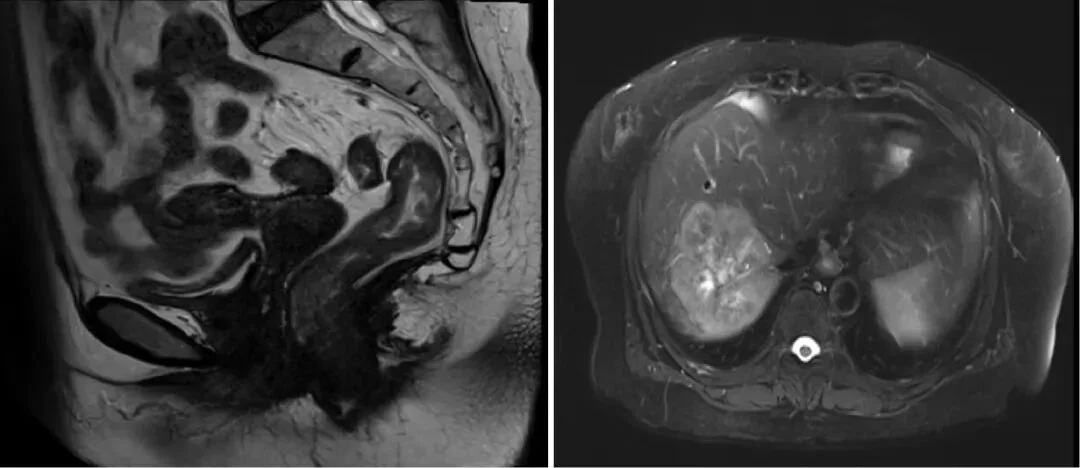
Preoperative chemotherapy with immunotherapy, rectal cancer resection and partial liver resection
Multidisciplinary collaboration at the General Surgery Center | Gastrointestinal Surgery successfully performs simultaneous curative resection for rectal cancer with liver metastasis
China · Beijing
Read the full story
CAR-T · Non-Hodgkin lymphoma
Michael’s CAR-T journey to Shanghai: overseas choices and follow-up
New Zealand → Shanghai
Read the full story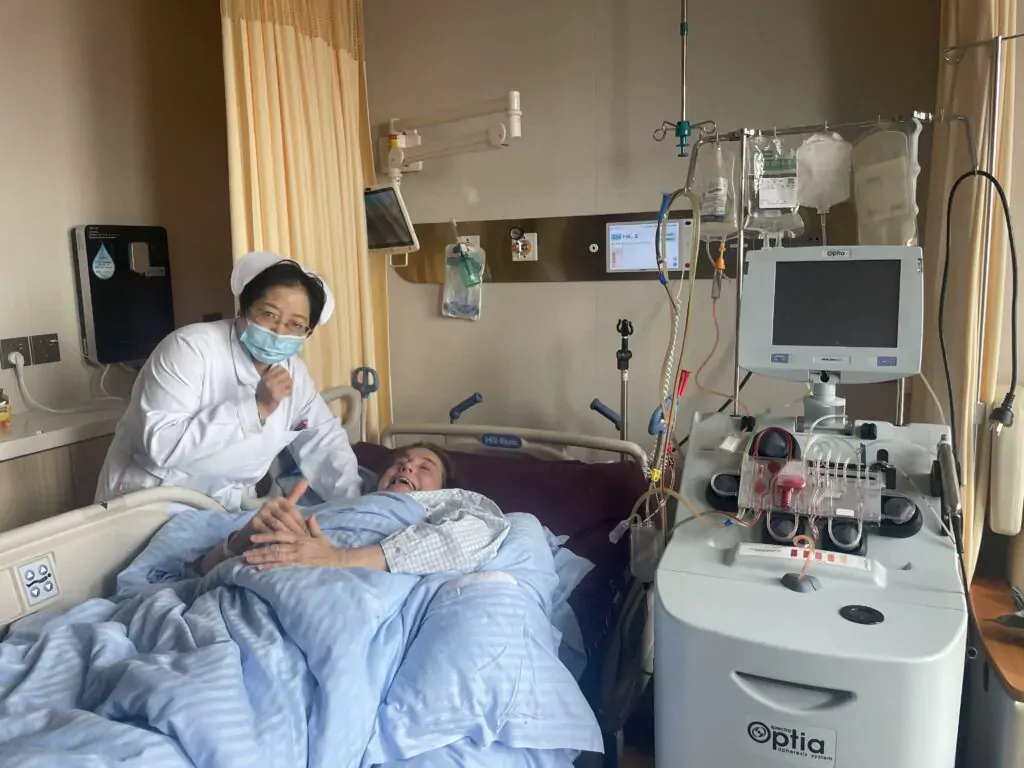
CAR-T · Multiple myeloma
Amanda’s CAR-T journey to Shanghai: seven weeks, caregiving and follow-up in Australia
Australia → Shanghai
Read the full story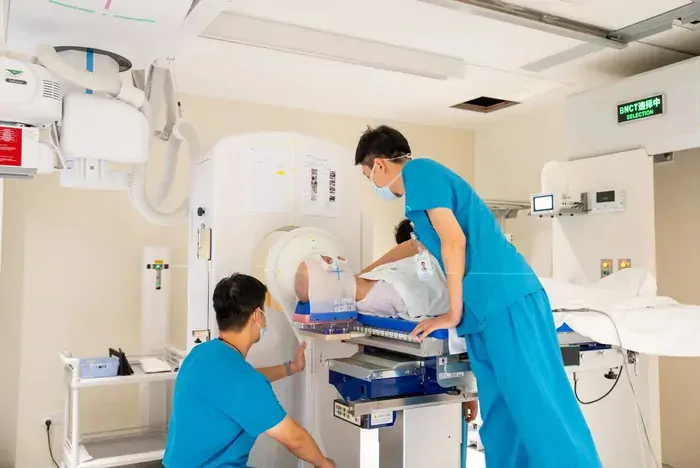
BNCT · Small cell carcinoma of the maxillary sinus
From Russia to Hainan: Sergey’s BNCT assessment and treatment
Russia → Boao, Hainan
Read the full story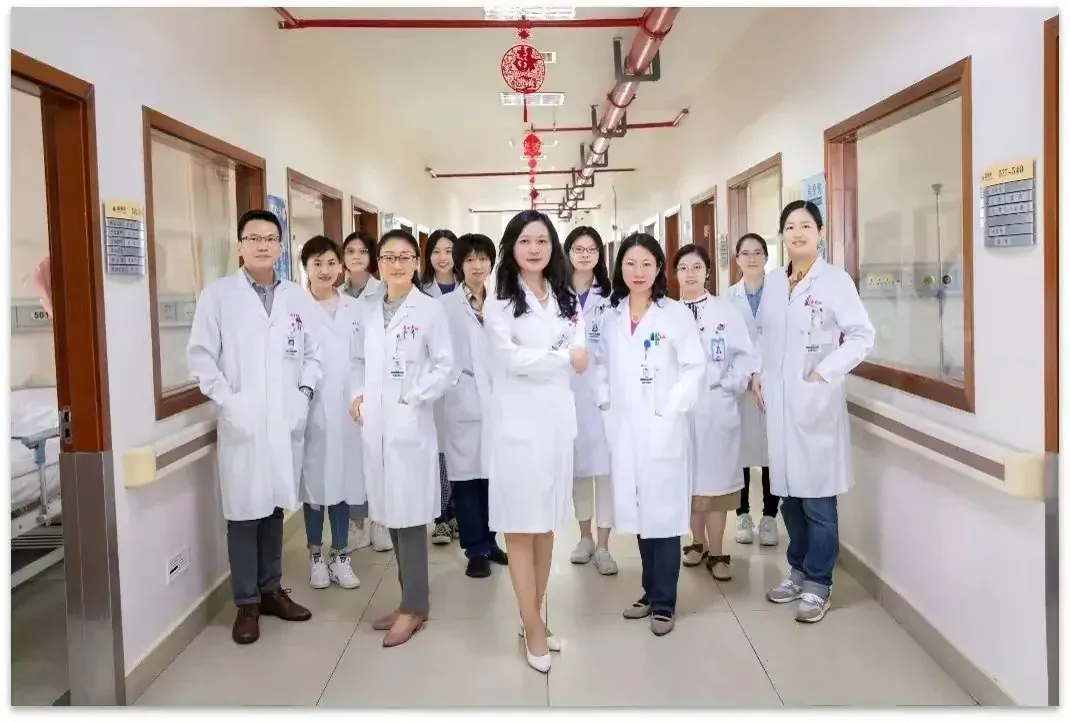
CAR-T · Diffuse large B-cell lymphoma
Auntie Chen’s CAR-T experience: from lymphoma relapse to two-year follow-up
China · Shanghai
Read the full story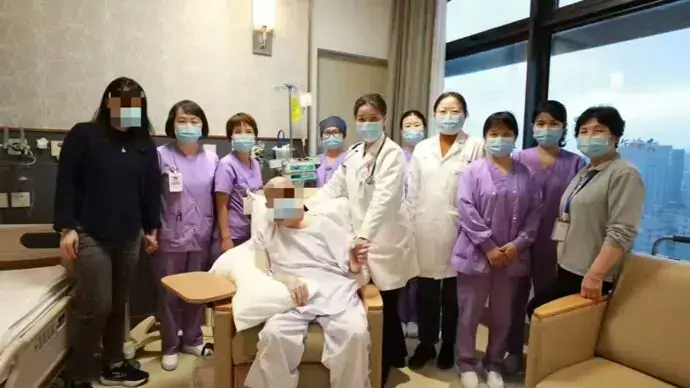
Bispecific antibody treatment · Non-small cell lung cancer
From the US to Shanghai: Daniel’s lung cancer treatment and intensive care
United States → Shanghai
Read the full story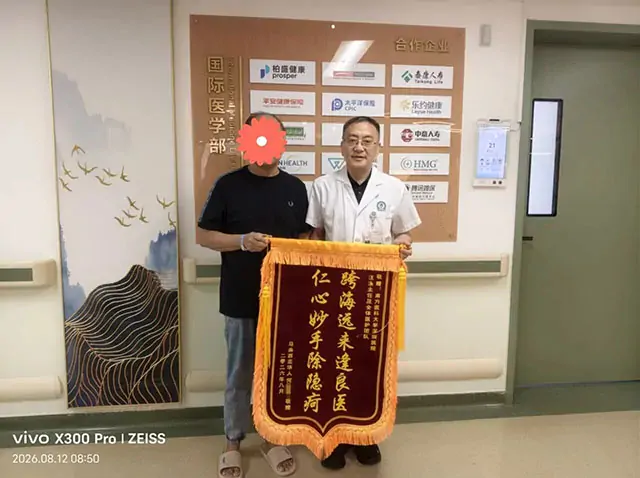
Minimally invasive surgery · Intestinal tumour
From Malaysia to Shenzhen: Mr HO’s combined surgery and recovery
Malaysia → Shenzhen
Read the full storyCompare destinations for cancer care
See how costs, appointments and treatment options differ.
Expand the comparison of care arrangements in China, Japan, Türkiye and the United States
The following compares how institutions provide estimates and arrange care. Cost comparisons require hospitals to provide self-pay estimates for international patients using the same records, treatment scope and time frame. An individual item price cannot replace a full-course budget.
| Comparison item | China Published international medical charges, West China Hospital and Boao Lecheng | Japan National Cancer Center | Türkiye HealthTürkiye international medical platform | United States MD Anderson |
|---|---|---|---|---|
| Quotes and payment | Obtain an itemised self-pay quote from the intended hospital's international department, separating tests, treatment, admission and reassessment. Published individual charges only help break down a budget. | The hospital publishes a fee schedule specifically for international patients. It charges consultation and treatment fees; coordination agency service fees are billed separately. Request quotes through a designated coordination agency. | — | A cost estimate is provided after the self-pay plan is established. Hospital and doctor fees are billed separately. |
| Appointments and timelines | An MDT consultation can be requested at West China Hospital, with booking after record review. Treatment dates require separate confirmation. | Book through a designated medical coordination agency and attend according to hospital arrangements. | HealthTürkiye can be used to contact healthcare institutions and coordinate travel. | The first visit requires pathology, imaging and other records. Missing records may delay treatment. Allow flexibility for an extended stay. |
| Treatment options | Eligible institutions in Boao Lecheng may apply to use clinically urgently needed imported medicines and devices. The hospital must assess the specific product. | — | — | — |
| Language | Clinical languages in international departments vary by hospital. Some provide English services; others mainly use Chinese. SinoCareHub can arrange medical accompaniment interpreters. | Care is provided in Japanese. A designated coordination agency must arrange professional medical interpreting. | The platform provides enquiries in six languages, including English and Arabic. Medical interpreting within the hospital needs separate confirmation. | Free medical interpreting includes Chinese and Arabic. Other languages need advance arrangements. |
| Follow-up after returning home | West China Hospital's multidisciplinary clinic can connect follow-up with specialists within the team. Remote follow-up after returning home requires separate arrangements. | — | The platform can coordinate follow-up, with details confirmed by the receiving team. | The care team can be contacted online. Request medical records, imaging and pathology materials before leaving the hospital. |
Common questions when preparing for care
Will existing genetic testing need to be repeated in China?
Not necessarily. The hospital reviews the sample source, testing scope and quality, and whether the condition has changed after treatment, before deciding on review or additional testing. Submit the full report, not only a mutation name.
Does a newly diagnosed thyroid microcarcinoma need immediate surgery?
Not every patient needs immediate surgery. Some low-risk papillary microcarcinomas may be discussed for active surveillance. A specialist assesses suitability using pathological type, lesion location, lymph nodes and follow-up arrangements.
Active surveillance does not mean stopping reassessments. Radiofrequency and microwave thermal ablation have also been studied, but cannot routinely replace surgery for every thyroid cancer. Understand limitations concerning residual lesions, pathological sampling and long-term follow-up.
Can colorectal liver metastases still be treated surgically?
Some patients still have a surgical opportunity. Chinese cancer centers can use multidisciplinary discussion to assess conversion treatment and simultaneous or staged liver resection. Conversion treatment uses medicines or other treatment first to try to make initially unresectable lesions resectable.
Whether chemotherapy should include targeted or immune treatment depends on molecular tests and the condition; 'chemotherapy plus targeted and immune treatment' is not a universal regimen. The team also assesses all lesions, liver function, remaining liver volume and prior treatment response. Successful conversion cannot be guaranteed.
How is HER2-positive breast cancer treated in China, and can the breast be conserved?
Eligible HER2-positive patients in China can receive anti-HER2 treatments such as trastuzumab and pertuzumab. Some may have dual targeted therapy plus chemotherapy before surgery.
HER2 status affects medicines but cannot determine breast conservation alone. The team also assesses lesion distribution, treatment response, achievable margins, radiotherapy arrangements and personal preferences.
Breast conservation usually needs radiotherapy. Intraoperative radiotherapy suitability needs separate assessment and cannot be determined only by whether a tumour is 5 cm or smaller. A pathological complete response (pCR) does not mean long-term cure.
What new options exist in China after resistance to systemic treatment for advanced liver cancer?
A liver cancer team can still assess further systemic treatment, transarterial chemoembolisation (TACE), ablation, radiotherapy or eligible clinical research. An early single-arm study of M1 oncolytic virus with camrelizumab and apatinib enrolled 13 advanced hepatocellular carcinoma patients.
Among 10 evaluable patients, the objective response rate by mRECIST was 70% (7/10); the study reported median progression-free survival of 8.9 months.
These preliminary small-sample results cannot promise individual efficacy. Apply for the phase II/III VRT106 study according to its registration and center screening criteria. Resistance alone does not establish suitability.
Trial registration is neither routine marketing approval nor confirmation of treatment in Lecheng. A radiotherapy team must separately assess proton or heavy-ion treatment using lesions and liver function.