
Breast cancer treatment in China: breast conservation, medicines and timing
Breast cancer planning considers both stage and ER, PR and HER2 results. Some patients have surgery first; others receive medicines first. Breast-conserving treatment usually also requires consideration of post-operative radiotherapy. Targeted or endocrine treatment may continue after chemotherapy. Break down your China travel according to the whole plan.
On this pageHow is a condition like mine usually treated?
- 1.How is a condition like mine usually treated?
- 2.Which records affect the plan?
- 3.Treatment options and timing
- 4.When to discuss a second opinion or MDT
- 5.New medicines and other treatment options
- 6.Arm movement, fertility and long-term medication
- 7.Which records to organise first
- 8.Common patient questions
- 9.How SinoCareHub can help
- 10.SinoCareHub service prices
- 11.Sources and scope
How is a condition like mine usually treated?
First find the situation closest to your existing diagnosis. This section describes common treatment approaches; an individual plan also depends on pathology, tests and treatments already received.
Ductal carcinoma in situ (DCIS)
Discussion differs from invasive cancer. It often involves breast conservation or mastectomy and post-operative radiotherapy. Pathology, extent and margins affect choices.
Operable early invasive cancer
Discuss breast conservation or mastectomy and sentinel node assessment, with medicines and radiotherapy determined by final pathology. Some patients receive pre-operative medicines first; sequence depends on subtype and condition.
Locally advanced or inflammatory breast cancer
Systemic treatment is often needed first, followed by surgery and radiotherapy assessment. Response includes skin, nodes and resectable extent, not only mass shrinkage.
Recurrence or distant metastasis
The goals are disease and symptom control. Medicines depend on recurrence sites, receptor results and previous treatment. Discuss repeat sampling and local treatment in relation to the current condition.
Which records affect the plan?
ER, PR and HER2 are central report findings
ER and PR indicate hormone receptors; HER2 informs corresponding targeted treatment. HER2 immunohistochemistry 2+ needs further testing interpretation and cannot directly be called positive. Keep percentages, scores and methods rather than only a breast cancer subtype label.
- Records to check
- Full pathology, ER, PR, HER2 and available in situ hybridisation results, with Ki-67 and sampling dates.
- Questions for your doctor
- Is subtype evidence complete? Which result determines these medicines?
Breast conservation must include radiotherapy and possible re-excision
Assess extent, margins, appearance and feasibility of subsequent radiotherapy. Mastectomy does not necessarily eliminate radiotherapy or medicines. Compare visit counts and recovery within one whole plan.
- Records to check
- Breast imaging, pathology, previous surgery and margins; keep original plans after radiotherapy.
- Questions for your doctor
- Am I eligible for breast conservation? What if margins are inadequate? What further treatment is expected?
Axillary nodes and previous medicines change the next step
Sentinel node biopsy and axillary dissection have different extents. Pre-operative nodal metastases and previous medicines affect surgery and radiation. Metastatic disease also needs each treatment line, response and reason for stopping.
- Records to check
- Axillary examinations or biopsy, node pathology, previous medicines and imaging assessments.
- Questions for your doctor
- Why is this axillary extent needed? How will arm function and lymphoedema be monitored?
Treatment options and timing
These regimens explain treatment components and timing; they are not individual prescriptions. A cycle includes recovery and assessment time and cannot be directly treated as the number of days in hospital or in China.
Breast conservation, mastectomy and reconstruction
Assessment by extent, surgical feasibility and preferences; reconstruction also considers later radiotherapy.
Breast conservation, mastectomy and reconstruction
Assessment by extent, surgical feasibility and preferences; reconstruction also considers later radiotherapy.
- Treatment details
- Resect the lesion and assess relevant nodes. Reconstruction may be discussed at the same operation or delayed. Implants and own-tissue reconstruction differ in recovery and subsequent arrangements.
- Cycles and timing
- Schedule surgery, pathology results, wound and drain care and further treatment separately. Ask whether reconstruction needs multiple operations.
Explain appearance, sensation and work recovery needs beforehand. Better appearance from reconstruction does not mean full restoration of sensation; surgery cannot guarantee freedom from radiotherapy.
Chemotherapy: a regimen may have two phases
Need depends on subtype, stage, recurrence risk and health.
Chemotherapy: a regimen may have two phases
Need depends on subtype, stage, recurrence risk and health.
- Treatment details
- China's 2022 guideline includes adjuvant TC (docetaxel and cyclophosphamide) and AC followed by a taxane. Regimens differ in administration days and cycles. Doctors determine medicines and doses.
- Cycles and timing
- The guideline's TC example uses a 21-day cycle for 4 cycles, spanning about 12 weeks. AC followed by taxanes takes longer. Delays, reassessment and other treatment are additional; this does not mean 12 weeks in hospital.
Ask how many visits each cycle needs, blood test dates and side-effect contacts. Raise fertility plans before treatment, rather than waiting until chemotherapy ends.
Targeted treatment for HER2-positive disease
HER2 meets treatment criteria, with cardiac and other health assessment and product-specific indications.
Targeted treatment for HER2-positive disease
HER2 meets treatment criteria, with cardiac and other health assessment and product-specific indications.
- Treatment details
- Early treatment may connect anti-HER2 therapy with chemotherapy. Advanced disease needs separate choices based on previous medicines. Similar names or targeted-treatment classification do not make medicines interchangeable.
- Cycles and timing
- Some early trastuzumab regimens in China's 2022 guideline have a total 1-year course. Anti-HER2 treatment may continue after chemotherapy. 1 year cannot apply to every advanced regimen.
Include monitoring, reassessments and each administration in the budget. Before continuing at home, confirm access to the same medicine and monitoring. Do not interrupt treatment yourself.
Endocrine treatment
Appropriate treatment for hormone receptor-positive disease; choice also depends on menopausal status and previous treatment.
Endocrine treatment
Appropriate treatment for hormone receptor-positive disease; choice also depends on menopausal status and previous treatment.
- Treatment details
- Discuss tamoxifen, aromatase inhibitors and ovarian suppression when needed. This differs from chemotherapy and is not hormone supplementation. Combination medicines depend on risk and disease phase, assessed by doctors.
- Cycles and timing
- Usually long-term treatment measured in years, not a few infusions. Obtain medication, reassessment and duration plans at discharge or chemotherapy completion.
Report joint symptoms, hot flushes and other effects to discuss management. Pregnancy plans need joint team arrangements. Do not stop medicines yourself to attempt pregnancy.
Breast or regional lymph node radiotherapy
Often needed after breast conservation; after mastectomy it depends on pathology and risk.
Breast or regional lymph node radiotherapy
Often needed after breast conservation; after mastectomy it depends on pathology and risk.
- Treatment details
- Radiotherapy teams set fields according to surgery, margins, nodes and previous treatment. Left breast irradiation also needs heart and lung protection and possible breathing-control discussion.
- Cycles and timing
- Time simulation, planning, irradiation and reassessment separately. Obtain session counts, visit dates and boost arrangements before calculating the China stay.
Skin reactions, fatigue and lymphoedema risk affect daily life. Provide reconstruction or previous radiation records for joint surgery and radiotherapy assessment.
When to discuss a second opinion or MDT
Surgery first or medicines first?
Submit pathology subtype and breast and axillary imaging. Ask what pre-operative treatment aims to address, how response is assessed and when surgery is reconsidered. Neoadjuvant treatment is a planned sequence, not simply delaying surgery.
Coordinate breast conservation, reconstruction and radiotherapy
Request breast surgery, radiotherapy and relevant reconstructive teams together if seeking conservation or reconstruction. Ask for written suitability, further treatment, possible repeat surgery and recovery requirements to compare the whole plan.
Can the original subtype still guide recurrence treatment?
Receptor results may differ from the primary lesion. The hospital assesses the need and safety of sampling and what it would change, while reviewing all previous medicines. First pathology alone should not determine the next line.
New medicines and other treatment options
Triple-negative cancer still has options to discuss
Triple-negative describes ER, PR and HER2 results, not a single treatment option. Chemotherapy, immune medicines or other treatments depend on disease phase, tests, previous treatment and current Chinese indications.
How to compare ADCs, new targeted medicines and trials
Check pathology requirements, prior medicines, indications and monitoring first. Study-supplied medicines do not make every cost free, and screening does not mean enrolment. Ask about routine tests, travel and accommodation and possible control-group arrangements.
Arm movement, fertility and long-term medication
Clarify lymphoedema and shoulder movement before discharge
Axillary surgery and radiotherapy may cause arm swelling or restricted movement. Obtain wound, drain and rehabilitation instructions and contact criteria; request rehabilitation or lymphoedema services if needed. Do not copy someone else's exercise intensity.
Raise fertility plans before treatment
Some treatments may affect ovarian function and fertility. Ask oncology and fertility teams about feasible options, time and costs. Lack of periods after chemotherapy alone does not prove permanent menopause or justify stopping contraception yourself.
Someone must oversee long-term treatment after returning home
Keep surgical pathology, medicine names and dates, radiotherapy summaries and doctor-confirmed follow-up. Establish local targeted or endocrine treatment, side-effect monitoring and how results reach the Chinese team before planning subsequent trips.
Which records to organise first
- Full needle or surgical pathology, ER, PR, HER2 and available Ki-67 and in situ hybridisation results.
- Breast and axillary imaging and original completed staging records.
- After surgery: procedure, margins, node results, reconstruction and discharge records.
- All chemotherapy, targeted, endocrine and radiotherapy records, response assessments, current medicines and major side effects.
First submit the records you already have and identify anything missing. The prospective receiving hospital decides whether additional tests or borrowing slides or paraffin blocks are needed for this assessment.
Common patient questions
Does mastectomy remove the need for chemotherapy or radiotherapy?
Not necessarily. Surgery treats local lesions; subsequent treatment still depends on subtype, margins, nodes and recurrence risk. Ask the hospital to include expected post-operative treatment in the plan.
Does HER2 2+ mean positive?
Not from immunohistochemistry 2+ alone. Further testing and pathology interpretation are needed. Submit complete results rather than one number.
Can targeted treatment stop when chemotherapy ends?
Do not stop yourself. Early anti-HER2 treatment may continue after chemotherapy, while advanced treatment has separate duration assessment. The team decides using the agreed plan, efficacy and side effects.
Which records matter most when continuing between countries?
Keep medicine names, manufacturers, strengths, dates, doses, main side effects, surgical pathology and radiation summaries. The receiving hospital also confirms monitoring and supply. A short diagnostic certificate is insufficient.
How SinoCareHub can help
SinoCareHub helps contact hospitals, organise records and coordinate care arrangements. The hospital is responsible for diagnosis and treatment decisions. The specific coordination services and fees are explained to you beforehand.
Organise subtype and the full treatment timeline
SinoCareHub helps organise receptor results, surgery and medicine records, identifies missing material and follows hospital pathology review and submission requirements, with translation as agreed.
Request a breast MDT and second opinion
Contact hospitals about sequence, conservation, reconstruction or recurrence, coordinating relevant consultation applications and following format, departments, dates, fees and written opinions. The hospital provides clinical conclusions.
Connect multi-stage schedules and budgets
Follow surgery, medication, radiation and reassessment appointments based on the plan, checking actual visits. Help obtain itemised international department estimates, separating chemotherapy, subsequent targeted or endocrine treatment and platform fees.
Coordinate hospital communication and return handover
Arrange interpreting, accompaniment and travel as agreed, helping record explanations and changes. Follow discharge, pathology, administration and radiation summaries and organise receiving-doctor records and follow-up contacts.
SinoCareHub service prices
Sources and scope
Information checked: 2026-10-13. Treatment information identifies the guideline version; the hospital checks new drug indications and availability against current information. Costs use published international department itemised charges with clearly stated dates.
View medical references and image sources
- National Health Commission · Breast cancer diagnosis and treatment guideline (2022) ↗ (opens in a new window)National Health Commission / Cancer Hospital, Chinese Academy of Medical Sciences · 2022
- NCI · Breast Cancer Treatment ↗ (opens in a new window)National Cancer Institute
- NCI · Breast Cancer Surgery ↗ (opens in a new window)National Cancer Institute
- NCI · Female Fertility and Cancer Treatment ↗ (opens in a new window)National Cancer Institute
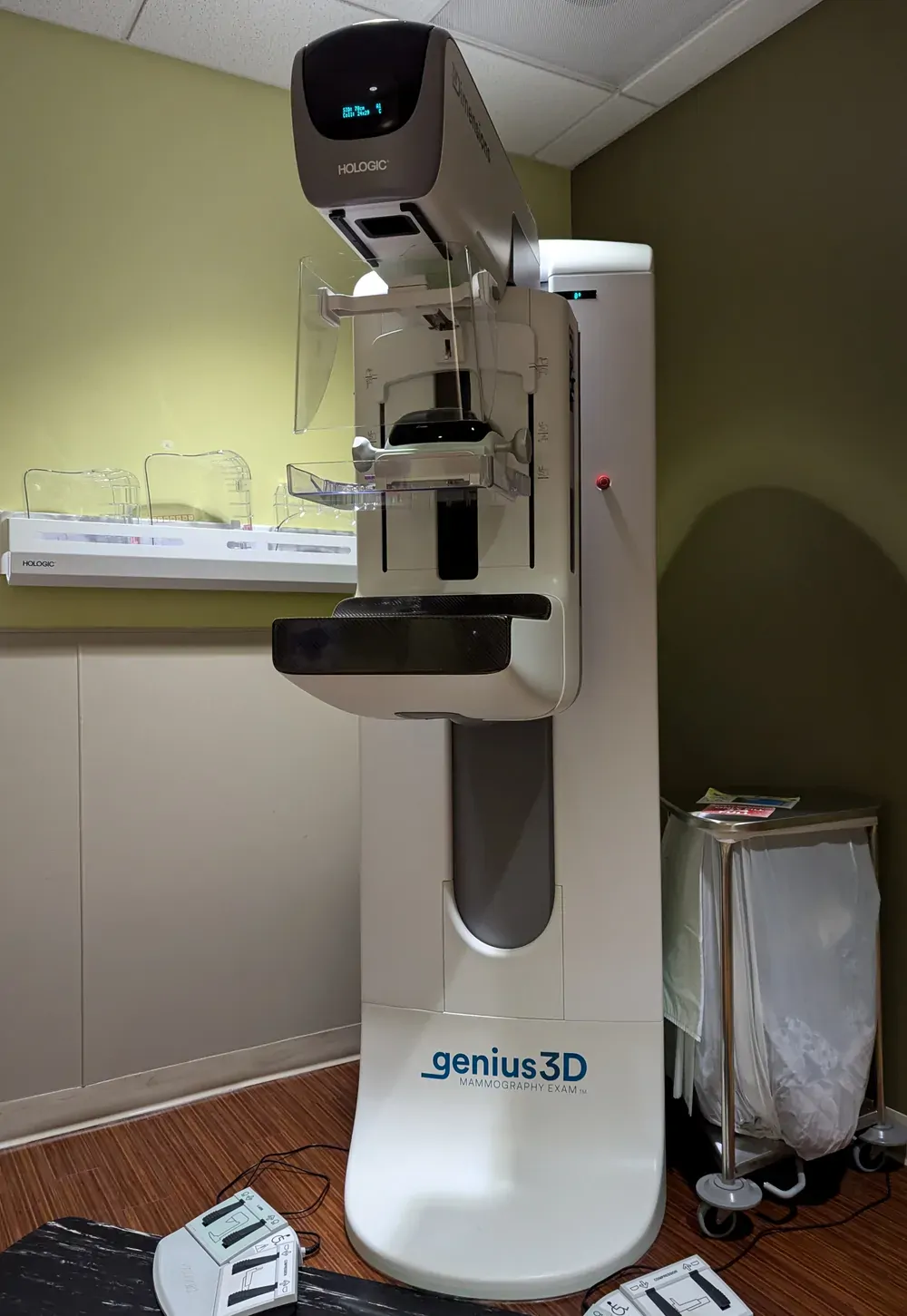
Photography: Aboutmovies / Wikimedia Commons · CC BY-SA 4.0. Compressed and resized to illustrate a testing environment. It does not depict a SinoCareHub service location or the equipment at a prospective receiving hospital.
This page was compiled by SinoCareHub and does not claim review by an external medical expert. General information cannot replace individual diagnosis, prescriptions or emergency care. If an acute change occurs, contact a local medical institution without waiting for a platform response.