
Bone and soft-tissue tumours: How is suspected sarcoma diagnosed and limb salvage assessed?
For a suspected bone tumour or soft tissue sarcoma, a specialist first plans the biopsy and pathology review. Staging then guides discussion of removal, limb salvage and reconstruction. Learn about consultation and treatment pathways at bone tumour centres in China.
Free initial inquiryContentsWhy plan the biopsy first when imaging shows a mass?
- 1.Why plan the biopsy first when imaging shows a mass?
- 2.How are limb salvage and reconstruction assessed after diagnosis?
- 3.Hospitals and care coordination
- 4.How can I coordinate care across locations and after returning home?
- 5.Bone and soft tissue tumour consultation: pathology review, staging and treatment planning
- 6.SinoCareHub service prices
- 7.Frequently asked questions
- 8.Make an inquiry
- 9.Sources
Why plan the biopsy first when imaging shows a mass?
Imaging can show where a mass is and how far it extends. If a bone tumor or soft tissue sarcoma is suspected, a specialist team decides whether a sample is needed, where to take it from and who should interpret it. The biopsy route can affect later surgery, so involve the team expected to provide treatment in planning it.
- Imaging shows a mass and no biopsy has been doneFind out how the biopsy route could affect later surgery.
- I have pathology results and am considering limb salvage or reconstructionReview tumour stage, surgical margins and prosthesis or bone graft options.
- I have had local treatment and want a second opinionArrange imaging and pathology review and the handover between stages.
No biopsy yet
Gather the original images and reports and seek prompt assessment from a local bone tumour or sarcoma specialist. Ask where samples should be taken, which tests are needed and whether the same team should plan subsequent treatment.
Pathology is available
Prepare the complete pathology report and note the biopsy site and date. Ask the receiving hospital if it can start with the report and digital slides. If it needs physical materials, ask for the number of glass slides, whether paraffin blocks are needed, and the receiving department. Then check the original hospital’s loan, delivery, and return procedures.
How are limb salvage and reconstruction assessed after diagnosis?
First assess whether the tumour can be removed with adequate margins and whether the preserved limb would be functional. The treatment sequence depends on tumour type and stage. Osteosarcoma often requires chemotherapy and surgery. Surgery is a major treatment for localised adult soft tissue sarcoma. Whether to add radiotherapy depends on the site and risk of recurrence.
Surgical margins and important structures
Ask how the tumour relates to nerves, blood vessels and joints. Surgical margins, the muscle that can be preserved and soft-tissue coverage all affect the function achievable after reconstruction.
Bone or joint reconstruction
A tumour prosthesis may be used for substantial bone loss near a joint. A bone graft may also be discussed depending on the case. Fixation, weight-bearing and follow-up requirements differ. For children, the team also considers remaining growth and the possibility of further surgery.
How prior treatment affects assessment
If you have already had surgery to remove the tumour or other treatment, bring the operation notes, pathology report and images from before and after treatment. Ask the team to reassess the current extent and next options.
Limb-sparing reconstruction and multidisciplinary assessment at bone tumour centres in China
Pathology review, staging, removal and reconstruction can be coordinated within one consultation plan. When comparing teams, ask about their experience with prosthetic or bone graft reconstruction for the area that may be removed.
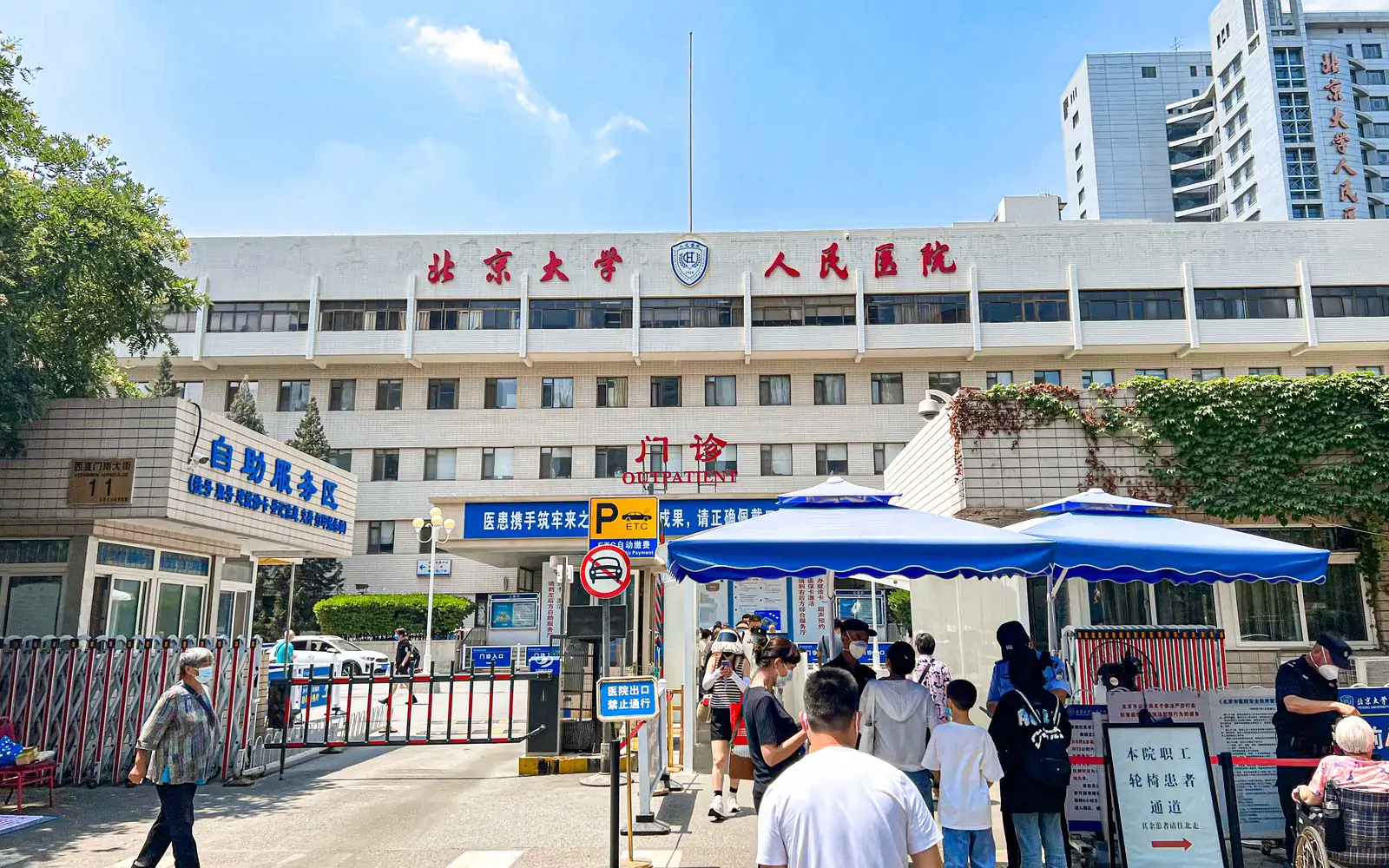
Peking University People's Hospital
Comprehensive hospitalCore StrengthsHematology (leukemia and bone marrow transplantation), Orthopedics (trauma and spine), Obstetrics and gynecology, Rheumatology and immunology
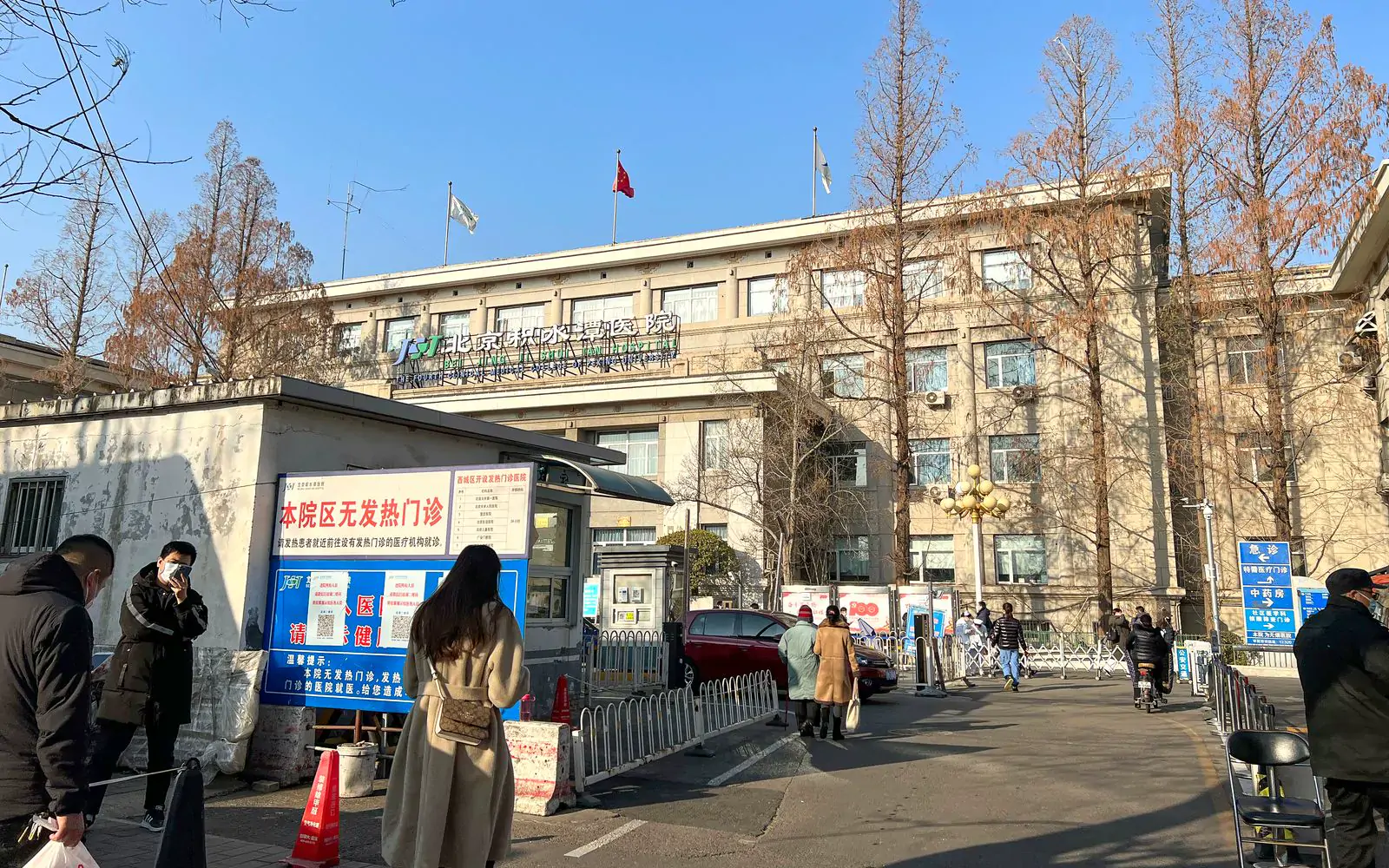
Beijing Jishuitan Hospital
Comprehensive hospitalCore StrengthsOrthopedics (trauma, hand, spine, and joint surgery; nationally leading), Burn care (mass burn incidents)
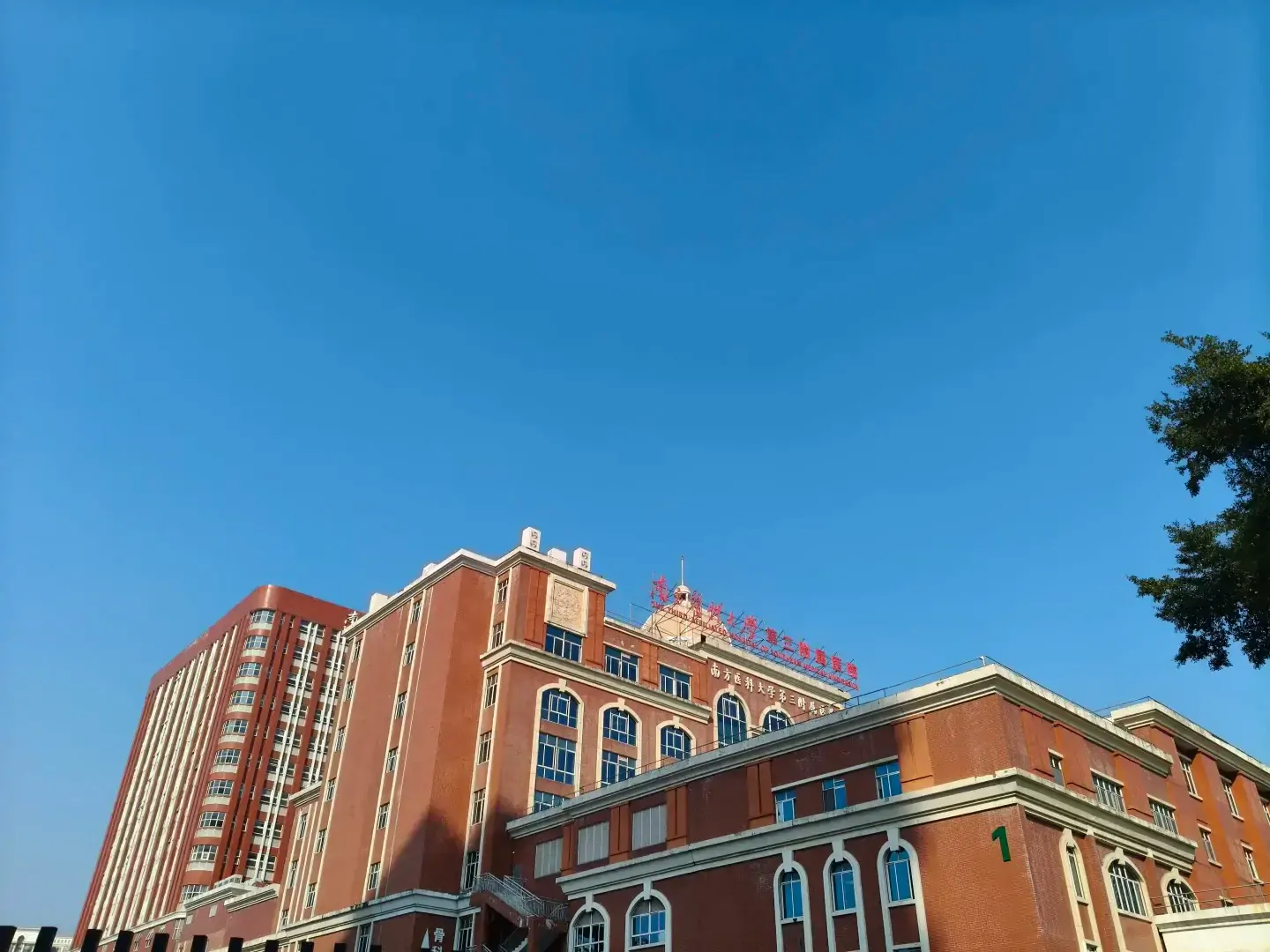
Third Affiliated Hospital of Southern Medical University
Comprehensive hospitalCore StrengthsOrthopedics, Sports Medicine, Rehabilitation Medicine, Critical Care Medicine
Clarify pathology review and staging first
If a biopsy has been done, ask the pathology department which specimens it accepts and whether further classification is needed. If a sample has yet to be taken, ask the receiving team how the biopsy can be planned alongside a potential surgical approach.
Ask for a treatment sequence in the consultation
Confirm how surgery, pathology, imaging and oncology will be involved. Ask whether surgery or another treatment comes first, what will be removed and reconstructed, how much weight you may be able to bear and what follow-up can take place locally.
What can SinoCareHub help with?
- Organizing and translating medical records so the hospital understands your questions.
- Contacting relevant departments and doctors based on your diagnosis and treatment goals.
- Coordinating video consultations, appointments, invitation documents and in-person medical interpreting, depending on the services you select.
- Discussing documentation, follow-up and continuity of care after you return home. Confirm what will be provided in writing first.
What does the hospital decide?
- Diagnosis, tests, treatment plans and follow-up requirements.
- Individual risks and recommendations for admission, discharge and return travel.
- Whether the hospital can take your case, the schedule and the hospital’s quote.
How can I coordinate care across locations and after returning home?
If treatment will take place in different locations, first ask both teams to confirm who is responsible for each stage of treatment and follow-up.
Steps for travel home and handing over care
Get a written summary before discharge
Ask the team for the final pathology, stage, treatment summary and follow-up plan. After reconstruction, also obtain implant details and weight-bearing restrictions.
Share the plan with the local team
Share the records with your local bone tumour or sarcoma team so it can confirm the next treatment, follow-up imaging and any ongoing rehabilitation.
Bone and soft tissue tumour consultation: pathology review, staging and treatment planning
Ask whether the receiving team can review images or pathology first, when an in-person appointment is needed and whether surgery, pathology, imaging and oncology will review the case together. Continue local assessment and treatment as directed by your doctors.
Expand the medical records checklist
- Gather pathology, imaging and prior treatment records
Organise existing pathology reports, original images and prior treatment records by date. Follow the receiving centre’s and carrier’s requirements for pathology specimens.
SinoCareHub service prices
Frequently asked questions
Can I request a second opinion if I have already started treatment locally?
Bring your original diagnosis, treatment summary and recent images, and explain what you most want to check. Continue care according to your local team’s plan and ask both teams to confer before changing it.
Does a mass on the imaging report mean sarcoma?
A mass describes an imaging finding. Doctors need to consider its site, imaging features and further tests to determine what it is. If sarcoma is suspected, ask a specialist promptly whether a biopsy is needed and how to take the sample.