
On this pageHow is a condition like mine usually treated?
- 1.How is a condition like mine usually treated?
- 2.Which records affect the plan?
- 3.Treatment options and timing
- 4.When to discuss a second opinion or MDT
- 5.New medicines and other treatment options
- 6.Urinary and bowel function, ovarian function and sexual health
- 7.International department costs and budgeting
- 8.Which records to organise first
- 9.Common patient questions
- 10.How SinoCareHub can help
- 11.Sources and scope
01
How is a condition like mine usually treated?
First find the situation closest to your existing diagnosis. This section describes common treatment approaches; an individual plan also depends on pathology, tests and treatments already received.
Early microscopic invasive cancer
Some patients may discuss smaller procedures such as cone excision. Adequacy depends on complete pathology, margins and lymphovascular invasion. Fertility preservation has specific criteria and cannot be decided from one biopsy alone.
Early disease suitable for surgery
Compare the relevant surgery and radiotherapy pathways, explaining resection extent and possible post-operative treatment first. Laparoscopic or robotic labels alone do not establish suitability.
Locally advanced disease or relevant lymph node involvement
Concurrent chemoradiotherapy, including external beam and brachytherapy, is often discussed. Afterloading brachytherapy is usually an important part of complete treatment; travel must cover both components.
Persistent, recurrent or distantly metastatic disease
Assess local procedures or systemic medicines using prior surgery, radiotherapy and medication. Arrange care for bleeding, pain, urinary and bowel problems at the same time.
02
Which records affect the plan?
Pathology, not HPV results, establishes the diagnosis
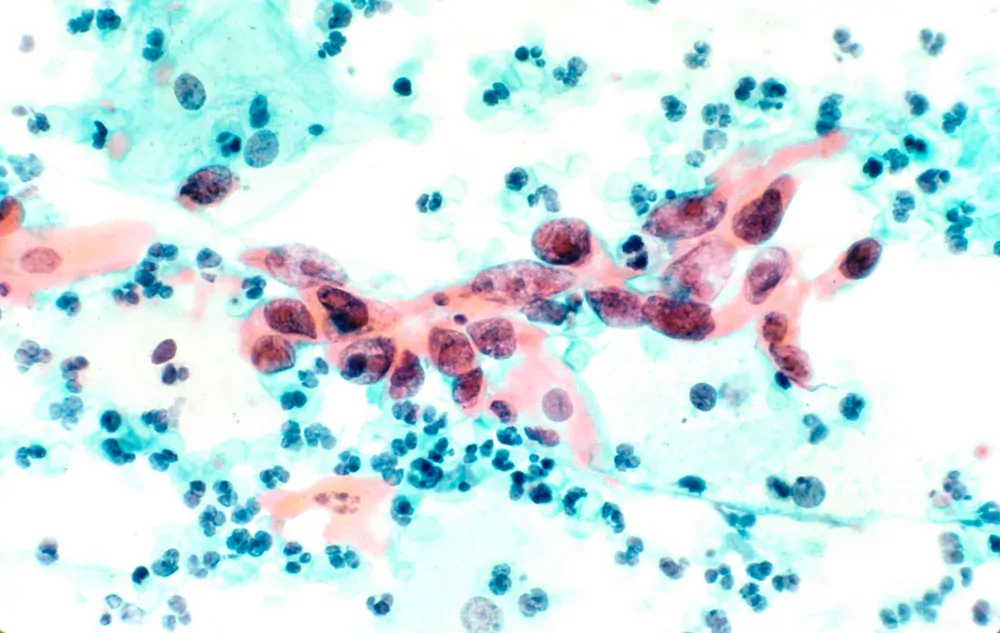
Cervical biopsy or cone pathology distinguishes precancerous lesions, invasive cancer and tissue type. Microinvasion depth and margins may require a complete cone specimen. Squamous, glandular and rare types cannot all follow exactly the same plan.
- Records to check
- Complete cervical biopsy, cone or surgical pathology, with invasion depth, margins, lymphovascular invasion and completed tests.
- Questions for your doctor
- Does pathology establish the extent and type clearly enough? What still needs review?
MRI, lymph nodes and previous treatment establish extent
Gynaecological examination and imaging assess parametrial, vaginal and other involvement. Nodes and distant disease affect stage and treatment. Submit original records after pelvic radiotherapy, since re-irradiation and surgical risks differ.
- Records to check
- Pelvic MRI and available staging imaging, gynaecological assessment, surgery records and original radiotherapy plan summary.
- Questions for your doctor
- Which results support the stage? Why recommend surgery or chemoradiotherapy?
Discuss fertility, ovarian function and sexual health beforehand
Preserving the uterus, ovarian function and fertility are different issues. Explain pregnancy plans, current pregnancy, menopause and functional changes that matter most before treatment, then assess feasible preservation or support.
- Records to check
- Fertility wishes, pregnancy status, menstrual and ovarian information, previous pelvic surgery and your concerns.
- Questions for your doctor
- Which functions may change? Are preservation options appropriate to my condition, and should a fertility team be contacted first?
03
Treatment options and timing
These regimens explain treatment components and timing; they are not individual prescriptions. A cycle includes recovery and assessment time and cannot be directly treated as the number of days in hospital or in China.
Cone excision or fertility-preserving surgery
Only some carefully assessed early-stage patients, depending on pathology, extent, risk and preferences.
Cone excision or fertility-preserving surgery
Only some carefully assessed early-stage patients, depending on pathology, extent, risk and preferences.
- Treatment details
- Discussion may include cervical cone excision or an appropriate trachelectomy, with lymph node assessment decided separately. Uterine preservation does not guarantee a successful future pregnancy. The specialist team must explain pregnancy risks and monitoring.
- Cycles and timing
- Arrange pathology review, the procedure, complete margin assessment and follow-up separately. Additional treatment may be needed if preservation criteria are not met. One minor operation cannot be promised beforehand.
Balance tumour treatment and reproductive safety. Do not delay necessary care yourself to preserve fertility or directly apply precancerous cone excision pathways to invasive cancer.
Hysterectomy and appropriate lymph node management
Early disease suitable for surgery or other specialist-assessed situations.
Hysterectomy and appropriate lymph node management
Early disease suitable for surgery or other specialist-assessed situations.
- Treatment details
- Resection extent depends on the condition. Ask separately about the uterus, parametrium, vagina, ovaries and lymph nodes. Post-operative margins, parametrium and nodes may determine additional chemoradiotherapy.
- Cycles and timing
- Plan admission, catheter care or urinary recovery, complete pathology, reassessment and additional treatment separately. Surgery completion does not automatically complete the whole course. Return travel depends on recovery and subsequent plans.
Discuss urinary, bowel and sexual function changes beforehand. China's 2022 guideline raises concerns about outcomes of minimally invasive radical surgery. Ask the surgeon to explain benefits and risks of different approaches before comparison.
Concurrent chemoradiotherapy: external beam plus brachytherapy
Some locally advanced cases or others suitable for definitive chemoradiotherapy.
Concurrent chemoradiotherapy: external beam plus brachytherapy
Some locally advanced cases or others suitable for definitive chemoradiotherapy.
- Treatment details
- External beams cover the relevant area. Brachytherapy, often called afterloading, places a radiation source near the lesion; interstitial treatment may be used when needed. Chemotherapy is often concurrent. External beams and brachytherapy are not either-or options.
- Cycles and timing
- China's 2022 guideline aims to keep total radiotherapy within 8 weeks where possible. An external beam example lasts about 5 - 6 weeks, with brachytherapy also scheduled. Weekly concurrent cisplatin is one example; session counts depend on tolerance and the regimen.
8 weeks is a complete radiotherapy scheduling target, not a fixed total stay in China. Confirm simulation, anaesthesia, brachytherapy devices and visits. Blood counts, kidney function and bowel reactions may affect treatment.
Post-operative adjuvant radiotherapy or chemoradiotherapy
Assessment when final pathology indicates relevant recurrence risk and recovery permits.
Post-operative adjuvant radiotherapy or chemoradiotherapy
Assessment when final pathology indicates relevant recurrence risk and recovery permits.
- Treatment details
- Margins, parametrial and nodal findings and other risks determine additional treatment and fields. Provide the original surgical plan and pathology. Hysterectomy does not exclude a need for radiotherapy.
- Cycles and timing
- Plan recovery, simulation, irradiation and reassessment individually. Do not mechanically combine this with definitive chemoradiotherapy schedules for patients who have not had surgery. Post-operative brachytherapy also depends on the condition.
Multiple treatments may increase functional and long-term side-effect burdens. Ask why additional treatment is needed, its expected benefit and alternatives to discuss.
Medicines and local management after recurrence or metastasis
Assessment considers recurrence location, previous radiation fields, organ function and medicines.
Medicines and local management after recurrence or metastasis
Assessment considers recurrence location, previous radiation fields, organ function and medicines.
- Treatment details
- Discuss chemotherapy such as paclitaxel plus a platinum agent, with antiangiogenic, immune or other options for suitable patients. Surgery or re-irradiation for local recurrence has strict criteria. Recurrences do not all follow the same sequence.
- Cycles and timing
- Give medicines and reassess by cycles, then decide maintenance or changes separately. Local procedures, symptom care and long-term management may proceed together. One infusion does not end all treatment.
Antiangiogenic treatment requires assessment of bleeding and fistula risks. Immune medicines need relevant biomarker and current Chinese indication checks. Significant vaginal bleeding, fainting or acute urinary problems require prompt local care.
04
When to discuss a second opinion or MDT
Review risk before fertility preservation
Ask gynaecological oncology and pathology teams to review full specimens, margins, type and extent, with fertility consultation if needed. A second opinion should explain what can be preserved, reassessment needs and changes if criteria are not met.
Different opinions about surgery and chemoradiotherapy
Give staging evidence and expected post-operative pathology risks to the MDT. Compare the entire treatment course, not only the first step. If surgery is likely to be followed by chemoradiotherapy, explain combined treatment effects beforehand.
Missing brachytherapy or proposed re-irradiation after recurrence
Ask whether original treatment was complete, why brachytherapy was omitted and how care can continue. At recurrence, provide the original dose and plan for safety assessment. New equipment does not remove previous radiation exposure.
05
New medicines and other treatment options
Distinguish current immunotherapy settings first
Conditions differ between initial local disease and persistent, recurrent or metastatic disease. Confirm the medicine, required markers such as PD-L1, current Chinese indications and whether it adds to or changes the existing course. Overseas reports do not establish Chinese availability.
New medicines and studies must consider previous pelvic treatment
Screening may require prior radiotherapy, surgery, bleeding or fistula information. Before applying, ask which costs the study covers, where follow-up occurs and how care continues after unsuccessful screening.
06
Urinary and bowel function, ovarian function and sexual health
Report urinary and bowel changes clearly
Obtain catheter, urinary rehabilitation and bowel reaction instructions. Blood in urine or stools, persistent pain or substantial difficulty urinating needs care team contact. Do not assume every change is a temporary treatment reaction.
Vaginal and sexual health belong in follow-up
Raise dryness, pain, narrowing or sexual difficulties with the team. Care, dilators or other treatment follow individual recovery and medical advice. Do not force procedures yourself. Coordinate suitable rehabilitation or support if needed.
Long-term effects may appear after irradiation ends
Menstrual, ovarian, leg swelling, urinary and bowel issues may need ongoing assessment. Before returning home, obtain follow-up, functional management and abnormal-symptom contacts, keeping surgery and radiotherapy summaries.
07
International department costs and budgeting
This page uses self-pay pricing for international departments / international medical services at Chinese hospitals. A verifiable published total price for a full course of care for Cervical cancer has not yet been obtained. Ordinary outpatient, standard ward or insurance settlement amounts cannot be used as substitutes.
Available international department itemised charges
The following charges come from the International Medical Center at The University of Hong Kong-Shenzhen Hospital, published on 2025-06-04, using the amounts converted on 2026-10-12. They are references for itemizing a budget, do not represent prices at all hospitals and are not a package for Cervical cancer.
| Item and scope | Reference amount (USD) |
|---|---|
| Specialist outpatient consultationPer consultation, with fees varying by doctor category. Tests, medicines and treatment are charged separately. | USD 90 - 300 |
| Adult inpatient consultationDaily consultation charge only. Beds, surgery, medicines and other charges are separate. | USD 150 - 220 |
| Single standard room bedPer bed per day, corresponding to Standard Room 1 and Standard Room 2 in the published schedule. Inpatient consultations and treatment are excluded. | USD 180 - 220 |
Converted using the reference exchange rate on 2026-10-12: USD 1 = CNY 6.6928, rounded to USD 10. Dollar amounts are for budgeting only. The hospital bills in its actual settlement currency; exchange rates and payment fees are separate.
Estimate surgery and additional treatment separately
International department quotes should list surgery, lymph node management, anaesthesia, pathology, consumables, admission and catheter care. Explain additional fertility assessment, rehabilitation, complications and post-operative chemoradiotherapy charges separately.
Radiotherapy quotes must include brachytherapy
List external beam simulation, planning and fractions, and brachytherapy or interstitial devices, imaging, anaesthesia and procedure counts. Concurrent medicines, blood tests and symptom support are separate. One brachytherapy fee is not the whole radiotherapy price.
Quote recurrent-disease medicines by regimen and phase
State names, strengths, quantities, intervals and initial reassessment, then add infusions, tests and supportive care. Identify exclusions for care resulting from prior treatment, local procedures and medicines at home.
SinoCareHub helps obtain an itemised estimate from the prospective receiving international department, specifying the plan, date, validity period, included items and separately charged items. Hospital medical charges, platform coordination fees and third-party costs such as transport and accommodation are explained separately. The budget is updated if the treatment plan changes.
08
Which records to organise first
- Cervical biopsy, cone or surgical pathology with margins, invasion, lymphovascular and lymph node findings.
- Gynaecological staging, pelvic MRI and other available staging images and original files.
- External beam and brachytherapy doses and plan summaries; previous medicines, responses and adverse reactions.
- Fertility or pregnancy status, current bleeding and urinary or bowel problems, and all medicines.
First submit the records you already have and identify anything missing. The prospective receiving hospital decides whether additional tests or borrowing slides or paraffin blocks are needed for this assessment.
09
Common patient questions
Does HPV positivity mean I need cervical cancer treatment in China?
HPV results alone cannot diagnose cancer. Follow local screening and assessment to establish whether a lesion exists and its nature. Do not equate infection with invasive cancer.
Can I still become pregnant if my ovaries are preserved?
Ovarian hormone or egg function differs from uterine preservation. Ask the team to explain each organ's management and actual reproductive possibilities. The word 'preservation' cannot replace a full explanation.
Why is brachytherapy needed after external beam treatment?
They have different delivery methods and coverage, and many definitive plans need both. Ask radiotherapy staff about your complete plan and remaining treatment. Do not omit brachytherapy yourself or assume equipment names establish a substitute.
Does bleeding after treatment always mean recurrence?
Causes differ and need assessment by timing, amount and other symptoms. Seek prompt care for significant bleeding or dizziness or fainting. Report milder persistent changes to the follow-up team rather than judging yourself.
10
How SinoCareHub can help
SinoCareHub helps contact hospitals, organise records and coordinate care arrangements. The hospital is responsible for diagnosis and treatment decisions. The specific coordination services and fees are explained to you beforehand.
Organise complete pathology and previous pelvic treatment
SinoCareHub helps collect cone, surgery, imaging, external beam and brachytherapy records, noting fertility wishes and symptoms, and follows up hospital review, translation and additional materials.
Arrange gynaecological oncology and radiotherapy second opinions
Contact hospitals about fertility preservation, surgery versus chemoradiotherapy or recurrence, coordinate MDT applications and check departments, format, timing, charges and written opinions.
Connect external beams, brachytherapy and the international department budget
Follow assessment and treatment appointments according to the hospital plan. Check external beams, brachytherapy, anaesthesia, medicines and admission separately. Explain medical, coordination and third-party costs separately and follow hospital updates after schedule changes.
Record functional care and follow-up at home
Arrange language and accompaniment support as agreed and help record urinary, bowel, vaginal care and reassessment instructions. Follow up treatment summaries and local care information. The team determines specific care and clinical decisions.
Submit an inquiry about care for Cervical cancer
Describe your existing diagnosis, previous treatments and the question you want to address. You can submit an inquiry even if your records are incomplete. We will contact you to follow up on hospital assessment and care arrangements.
11
Sources and scope
Information checked: 2026-10-13. Treatment information identifies the guideline version; the hospital checks new drug indications and availability against current information. Costs use published international department itemised charges with clearly stated dates.
View medical references and image sources
- National Health Commission · Cervical cancer diagnosis and treatment guideline (2022) ↗ (opens in a new window)National Health Commission / Cancer Hospital, Chinese Academy of Medical Sciences · 2022
- NCI · Cervical Cancer Treatment ↗ (opens in a new window)National Cancer Institute · 2025-04-03
- NCI · Sexual Health Issues in Women with Cancer ↗ (opens in a new window)National Cancer Institute
- The University of Hong Kong-Shenzhen Hospital · International Medical Center consultation and bed charges (published 2025-06-04) ↗ (opens in a new window)The University of Hong Kong-Shenzhen Hospital
- Investing.com · USD/CNY historical rates (conversion uses 6.6928 on 2026-10-12) ↗ (opens in a new window)Investing.com
- NCI · Clinical trial participation, costs and safety ↗ (opens in a new window)National Cancer Institute
Micrograph: National Cancer Institute / Wikimedia Commons · Public domain. The original image was resized and compressed to illustrate pathology testing. It is not used to assess an individual's condition.
This page was compiled by SinoCareHub and does not claim review by an external medical expert. General information cannot replace individual diagnosis, prescriptions or emergency care. If an acute change occurs, contact a local medical institution without waiting for a platform response.