Dental care in China

Understand your dental concerns before planning your trip to China

  • Start here, whether you have a diagnosis or are still unsureExplore common dental concerns and organize your records and questions for the dentist.
  • How much time should you allow for treatment?Bring your existing records and tell the hospital how long you can stay, then confirm the treatment arrangements and costs.

How long do you plan to stay in China?

The length of your stay does not determine how much treatment can be completed. Tell the hospital your arrival and departure dates and whether you can return to China. Ask the dentist to assess what can be done this trip, the follow-up needed and how any unfinished treatment will continue.

01

Before traveling to China

Describe your main concern, previous treatment, medicines and allergies, and gather existing dental images and reports. Ask the hospital whether your records are sufficient, whether an initial visit is available during your stay and what cannot be determined before an in-person assessment.

Organize records and images
02

One short visit

If your departure date is fixed, ask which stage can be completed, whether you need a review before leaving and who will continue any remaining treatment. If time is limited, discuss addressing the current problem first and arranging further treatment separately, without shortening necessary steps to fit your flight.

Review this trip
03

Several visits for staged treatment

Ask the dentist to set out the goal of each trip, the expected number of appointments and what needs reviewing before the next stage. Confirm which reviews can take place where you live. Budget for treatment at each stage, travel and accommodation, and confirm the next treatment date after the review results are available.

Understand treatment stages
04

Ongoing care while living in China

Before starting treatment, confirm how often you need reviews, which team will see you and what to do if you miss an appointment. If you plan to move or return home, contact the next dentist in advance to confirm whether they can take over, what records they need and their fees. Request a summary of completed treatment, remaining steps and follow-up advice from the original hospital.

Plan follow-up care

Common dental concerns

Symptoms can help you describe a problem, but cannot replace a dental examination.

Dental caries (tooth decay)

Early decay may cause no noticeable discomfort. As it progresses, you may develop cavities, sensitivity to hot, cold or sweet foods, or toothache.

Organize any existing dental X-rays and filling records. If you have toothache, contact a dentist first rather than waiting to travel to China.

Dental pulp and root-tip conditions

Persistent pain with hot or cold, pain when biting, or a swelling on the gum may indicate a need for assessment of the dental pulp. Symptoms alone cannot establish a diagnosis.

Bring previous root canal records and ask whether further restoration is needed. Temporary pain relief does not mean treatment is complete.

Periodontal (gum) disease

Bleeding, red, swollen or receding gums, loose teeth or discomfort when chewing.

Describe any bleeding, looseness and previous treatment at your appointment, and arrange ongoing maintenance as well.

Impacted wisdom teeth

Pain, swelling, trapped food or recurrent inflammation around the back teeth.

Whether removal is needed requires assessment. Seek dental care if you have symptoms; do not decide on extraction yourself based on travel dates.

Changes to the lining of the mouth

Recurrent or non-healing ulcers, red or white patches, or lumps can have different causes.

If an ulcer, red or white patch, or lump persists for more than two weeks, see a local dentist or doctor. You do not need to wait two full weeks to seek care, and should not wait for an international trip.

Why consider dental care in China?

Ask whether appointments can be coordinated

The Beijing Health Commission has described a multidisciplinary dental clinic at Xinhua Hospital in Tongzhou. After assessment by a dentist, eligible patients can have staff coordinate subsequent appointments across departments. This is one hospital’s example. Confirm whether your chosen hospital offers similar arrangements and accepts international patients. Necessary healing time and follow-up cannot be skipped.

Plan your treatment and travel

Costs: measures to limit fees, with the full budget in view

China has introduced measures to regulate dental implant service fees and centrally procure supplies, providing a basis for reducing implant costs. To assess whether care costs less than at home, compare written quotes for the same treatment scope and materials, then add flights, accommodation, interpreting and follow-up. If you already plan to visit China, consider whether combining trips could reduce extra travel costs. International clinic fees need separate confirmation.

View the quote checklist

Confirm interpreting and accompaniment in advance

When receiving dental care in an unfamiliar place, understanding the plan and voicing your concerns matter. Ask SinoCareHub about medical interpreting and visit accompaniment to help you discuss concerns about pain, costs or treatment steps. Confirm the city, language and service scope in advance. Your dentist explains the treatment options and risks so you can understand them before deciding.

Prepare to discuss and agree to treatment

Arrange follow-up before leaving

Before leaving China, request a treatment summary, material records, care instructions and follow-up recommendations from the hospital. Contact a dentist where you live to confirm whether they can continue your care. If you need us to forward records or help with communication, agree on the tasks and fees first. Any necessary in-person assessment still requires a dental visit.

See what to prepare before returning home

Dental hospitals in China

Use the official websites to explore departments and booking options. Listing a hospital does not imply a partnership with us. Confirm with the hospital whether it can see you, which site to attend and which languages are available.

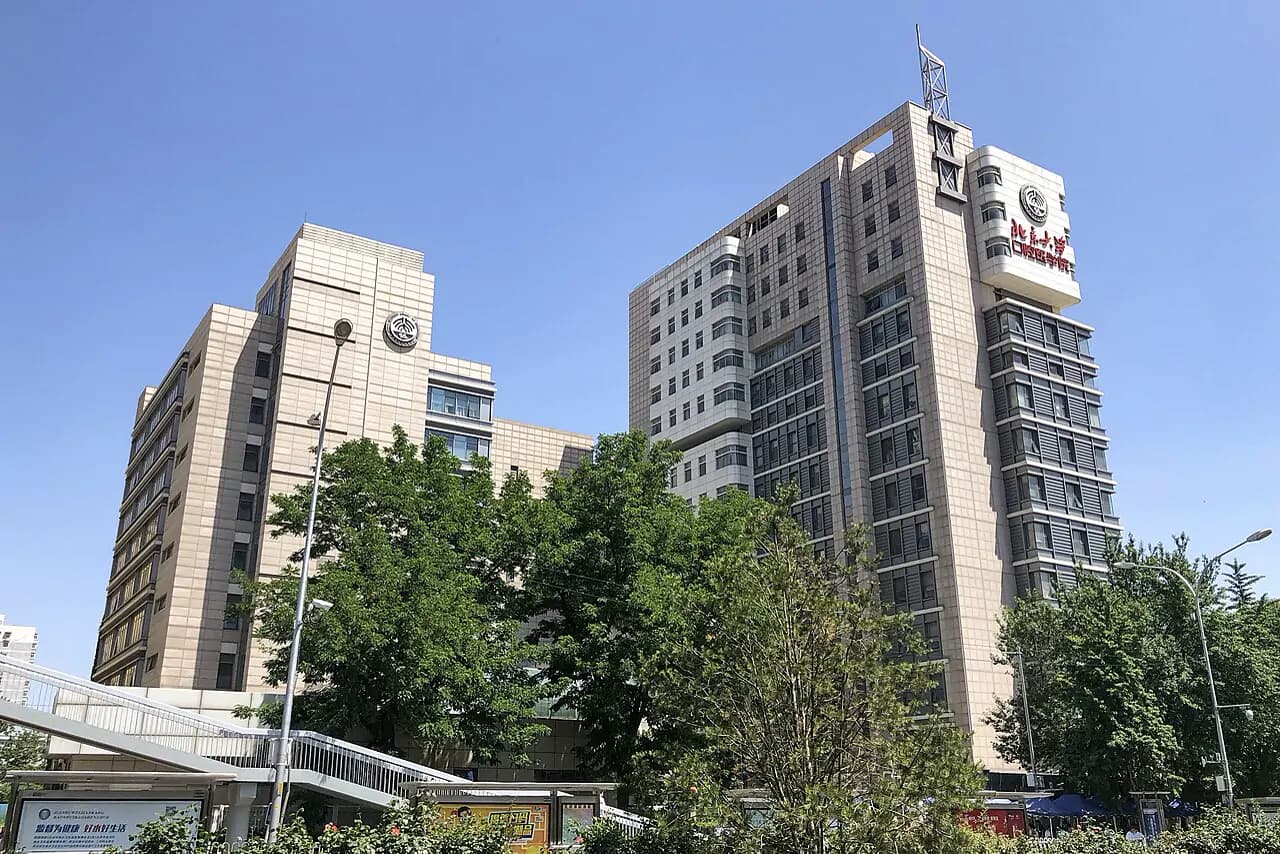
Peking University School and Hospital of Stomatology

Peking University School and Hospital of Stomatology

Beijing

  • Oral and Maxillofacial Surgery
  • Prosthodontics
  • Orthodontics
View details
Beijing Stomatological Hospital, Capital Medical University

Beijing Stomatological Hospital, Capital Medical University

Beijing

  • Oral and Maxillofacial Surgery
  • Prosthodontics
  • Orthodontics
View details
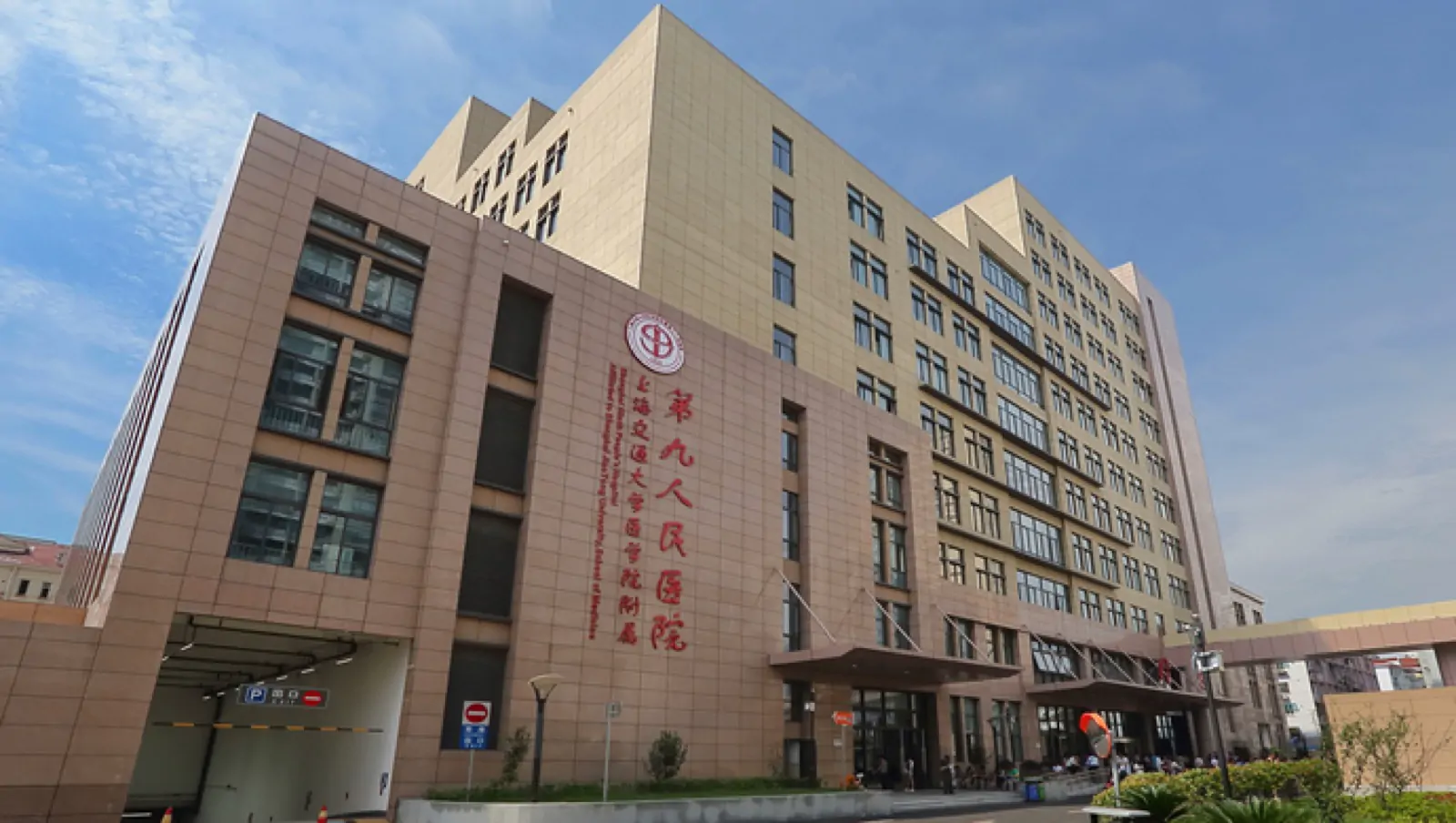
Shanghai Ninth People's Hospital, Shanghai Jiao Tong University School of Medicine

Shanghai Ninth People's Hospital, Shanghai Jiao Tong University School of Medicine

Shanghai

  • Stomatology (orthognathic surgery and dental implants)
View details
Hospital of Stomatology, Sun Yat-sen University (Guanghua School of Stomatology)

Hospital of Stomatology, Sun Yat-sen University (Guanghua School of Stomatology)

Guangzhou

  • Oral and Maxillofacial Surgery
  • Dental Implantology
  • Endodontics
View details
West China Hospital of Stomatology, Sichuan University

West China Hospital of Stomatology, Sichuan University

Chengdu

  • Stomatology
  • Head and Neck Surgery
  • Oral and Maxillofacial Reconstruction
View details
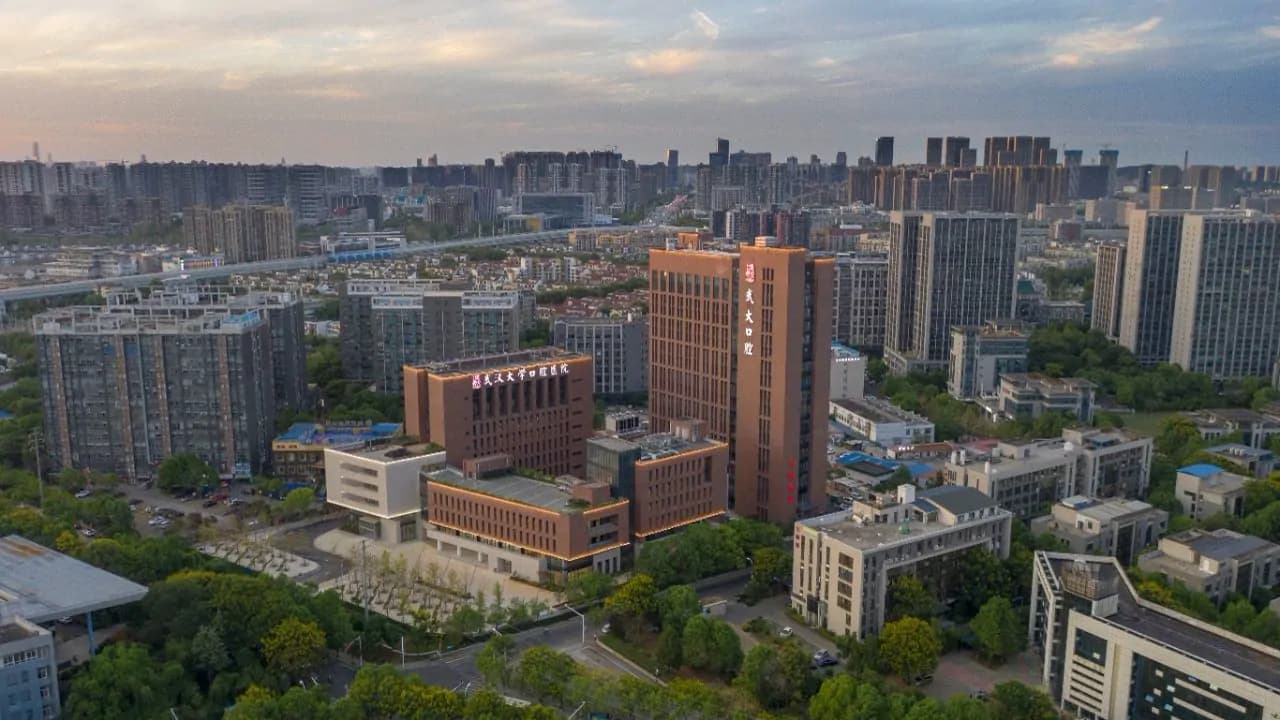
Wuhan University Hospital of Stomatology

Wuhan University Hospital of Stomatology

Wuhan

  • Oral and Maxillofacial Surgery
  • Prosthodontics
  • Orthodontics
View details

Published clinical cases

2-year follow-up

Staged implant treatment in complex circumstances

The Affiliated Yantai Stomatological Hospital, Binzhou Medical University

Problem
Problems related to two maxillary sinus perforations required management of the local conditions before implant restoration.
Solution
The team reported completing the restoration through separate operations.
Treatment result
The report recorded good implant function at the 2-year follow-up.

Public source:West China Journal of Stomatology · 2025 · 43(3):442–447

Case boundaries:This is a single case and does not represent other patients’ outcomes or treatment duration.

18-month follow-up

Further assessment to preserve a tooth after root canal treatment

Stomatological Hospital of Southern Medical University

Problem
Chewing discomfort persisted after root canal treatment of a lower second molar. Examination identified complex root canal anatomy and other problems.
Solution
The team performed intentional replantation: removing the tooth, treating it outside the mouth and placing it back.
Treatment result
The 18-month follow-up showed that the tooth was retained and documented recovery of the surrounding tissues.

Public source:West China Journal of Stomatology · 2023 · 41(4):471–477

Case boundaries:This approach was used for a specific case and is not a routine option for every patient whose root canal treatment has failed.

Observed through 12 months

Severe tooth wear: a trial phase before final restoration

Beijing Stomatological Hospital, Capital Medical University

Problem
Severe wear of the lower teeth, with chipped porcelain on upper front tooth restorations.
Solution
Treatment progressed through an occlusal splint, a diagnostic wax-up and temporary crowns to final restorations made using computer-aided design and manufacturing (CAD/CAM).
Treatment result
Follow-up examinations through 12 months reported good findings for speech and bite function, among other assessments.

Public source:Chinese Journal of Stomatological Continuing Education · 2023 · 26(2):123–128

Case boundaries:Follow-up extended only to 12 months, so it cannot establish the restorations’ long-term lifespan.

Guides to preparing for dental care

Expand a guide to see the documents and actions to prepare.

Prepare your records and dental images

Describe where the discomfort is, when it started, its effect on chewing or appearance, and any treatment already received. If unsure which tooth is involved, say upper or lower and left or right; you do not need to guess the tooth number.

Keep original image files, reports and examination dates. Your dentist will decide whether further imaging is needed.

  • Previous diagnoses and treatment records, especially extractions, root canal treatment, gum treatment and restorations.
  • Existing dental X-rays, panoramic images or cone-beam computed tomography (CBCT) scans, labeled with patient details and examination dates.
  • Current medicines, allergies and significant medical history. Report smoking and any chronic conditions accurately.
  • Records of existing implant systems or restorative materials. If missing, contact the original provider to request them.
  • Your travel plans: earliest possible arrival, latest departure, whether you can return to China, and whether you can find a dentist for follow-up after returning home.

Check your name before submitting records, attach originals to translations and mark uncertain information for checking. For an initial inquiry, describe only the types of records available; do not paste complete medical records or identity documents into a general text field.

Choose a hospital and treating dentist

Select dentists by the relevant area of care and check the hospital’s full name, department and campus. Ask prospective hospitals:

  • Which department should I see first for this concern, and is a consultation involving several specialties needed?
  • Who will see me, and will the same team provide the initial assessment and subsequent treatment?
  • Which identity document should I use to book, and are referral documents required?
  • Which languages are available for discussions and consent documents, and how is interpreting or translation arranged?
  • Can I receive a treatment summary and follow-up recommendations before returning home?

Rely on the hospital’s formal appointment confirmation and keep the appointment time, campus and booking details.

Plan staged treatment and travel

Share your departure date and confirm the aim of treatment during this visit. Avoid fixing travel dates while later treatment stages remain uncertain.

  • At the first appointment: What is the problem, what further examinations are needed, and what are the treatment options? Obtain your consultation record and ask roughly how many stages may be needed.
  • When treatment starts: What will be done during this visit, will temporary teeth be needed, and whom should you contact if problems arise afterward? Keep the treatment summary, prescriptions and care instructions.
  • At follow-up: How is recovery progressing, and when can treatment continue? Ask your dentist to explain the findings. If a delay is needed, adjust the plan together.
  • Before treatment ends: Are any steps unfinished, and how should you manage care and follow-up afterward? Obtain material details and treatment and follow-up recommendations for your next dentist.

Before returning home, ask your dentist to confirm travel, diet and activity arrangements. Check flight requirements separately with the airline. There is no single waiting period before travel that applies to all treatments.

Check treatment quotes and additional costs

Distinguish an estimate based on records from a quote for a plan after an in-person assessment. Ask for the date, currency, validity period and conditions for changes, and keep each version.

Quote checklist: tooth locations and numbers, procedures, material brands or categories, imaging and anesthesia, temporary and final teeth, laboratory work, follow-up, additional treatment, taxes and payment methods. For implant quotes, specifically check whether the implant, abutment and restoration are all included.

If bone augmentation, repeat root canal treatment, temporary teeth or extra follow-up incur additional charges, ask when they might be needed and how your agreement will be obtained before costs increase. Ask the party charging you directly about refunds for cancellations or rescheduling, installment payments and settlement if treatment is unfinished.

Record amounts separately in their original currencies. If converting, state the date of the exchange rate.

Communicate at the hospital and confirm treatment

Prepare a short list of questions: “What is the current diagnosis? What other options are available? Can treatment wait? What are the main risks and limitations? When should I contact the hospital?” If you have difficulty understanding, first ask for an explanation in a language you understand, then decide whether to consent.

For complex treatment, ask your dentist to mark the planned scope on a tooth chart, distinguishing teeth needing treatment from those only being monitored. Ask how the plan and costs will be updated if an in-person examination changes the proposal. An interpreter can help communication, but diagnosis, prescribing, and explanations of indications and risks remain the clinical team’s responsibility.

Keep copies of your treatment plan and signed consent form, along with the department’s contact details. Sending an enquiry does not mean you have consented to treatment.

Prepare records for your return and ongoing follow-up

Ask the hospital to explain what was completed during this visit and what remains unfinished. Request records covering diagnosis and tooth locations, procedure dates, a treatment summary, medicine and care instructions, existing images and reports, follow-up recommendations and contacts for problems. Implant patients should keep the implant brand and model details to support future maintenance.

Before returning home, contact a local dentist to confirm whether they can see you, the records needed and fees. Remote communication cannot replace necessary in-person assessment. Seek prompt local assessment for problems such as pain or looseness.

Keep the follow-up date, your dentist’s name and contact details for any problems. If you need us to forward records, first agree who may receive them, which records to share and how long we will help follow up.

What costs should I plan for?

Budget separately for treatment, help with arrangements and travel. Before paying, check what is included, when the quote expires and how rescheduling or changes to the plan affect the cost.

Hospital treatment fees

The hospital confirms these based on assessment and the treatment plan. Check tooth locations and numbers, imaging, anesthesia, materials, temporary and final restorations, follow-up and additional treatment.

Fees for help with arrangements

Confirmed according to the assistance, city, language, duration and number of sessions. Hospital treatment fees are excluded.

Travel and other costs

Flights, accommodation, transport, insurance, and possible return trips and local follow-up costs.

Frequently asked questions about dental care

What should I prepare before traveling? Can I inquire without a diagnosis or a new CT scan?

Start by describing your main concern, previous treatment and travel plans. Organize existing records, dental X-rays, medicine details and allergy information. Do not arrange extra CT imaging solely for an inquiry; the treating dentist will decide whether more imaging is needed. Confirm with the hospital which documents require translation and which language will be used.

View the related preparation guide →
Can treatment be completed in one week? How many visits will I need?

The length of your stay alone cannot determine this. Examination findings, treatment steps and recovery all affect the schedule. Tell your dentist your departure date and confirm what can be completed during this visit, whether a temporary restoration is needed, which later checks can take place locally and which may require a return to China. Ongoing treatments such as orthodontics also require advance planning for long-term follow-up.

View the related preparation guide →
Why might further steps be needed after implant placement or root canal treatment?

Implant placement, fitting the restoration and starting to apply biting forces may take place in separate stages. “Immediate implant placement” does not mean that the final tooth is completed the same day. After root canal treatment, an appropriate restoration is also needed according to the tooth’s condition. Ask your dentist to document the steps completed, the purpose and use requirements of temporary teeth, and the next stage of treatment.

View the related preparation guide →
How can I tell whether a quote is complete? Could there be extra charges later?

Ask the hospital to specify tooth locations and numbers, materials, examinations and anesthesia, temporary and final restorations, follow-up and additional treatment. An estimate based on records may change after an in-person assessment; the reasons and costs should be confirmed again. The CNY 4,500 figure in the National Healthcare Security Administration’s 2022 document is a price regulation target for medical services for one routine implant at a tertiary public hospital. It is not an all-inclusive implant quote and cannot be applied directly to foreign patients or international clinics.

View the related preparation guide →
What does the platform service fee include? Can you guarantee an appointment or treatment results?

Hospital treatment, flights and accommodation are paid for separately. If you need help contacting a hospital or arranging interpreting, first confirm the city, language, duration, specific tasks and fees. Diagnosis is the doctor’s responsibility. SinoCareHub cannot guarantee a booking, access to a particular doctor or treatment results.

View the related preparation guide →
Can I pay with a foreign bank card or insurance?

Before booking, confirm accepted bank cards, payment currencies and settlement methods with the hospital. Ask your insurer whether this planned treatment is covered, whether preauthorization is required and which receipts or documents are needed. Do not assume reimbursement is available simply because you have insurance or a health insurance card. Ask the party charging you directly about settlement if you cancel, reschedule or do not complete treatment.

View the related preparation guide →
When can I travel home after treatment? Whom should I contact if problems arise afterward?

The treating dentist will confirm when you can return based on the treatment performed and your recovery. Check airline requirements separately. Before leaving, obtain your treatment summary, images, material details and follow-up recommendations, and contact a dentist where you live to confirm that they can see you. Contact a dentist promptly for problems such as pain or looseness. For emergencies such as difficulty breathing or swallowing, seek immediate local help rather than waiting for a remote reply.

View the related preparation guide →
What happens after I contact you?

We first discuss the concern you want to address, your country, preferred city, available time, ability to return to China and language of communication, then confirm the assistance needed. Initially, simply describe the records you have; do not paste complete medical records or identity documents into a general text field. An inquiry does not mean that an appointment, clinical plan or final quote has been secured.

View the related preparation guide →
Contact Us