
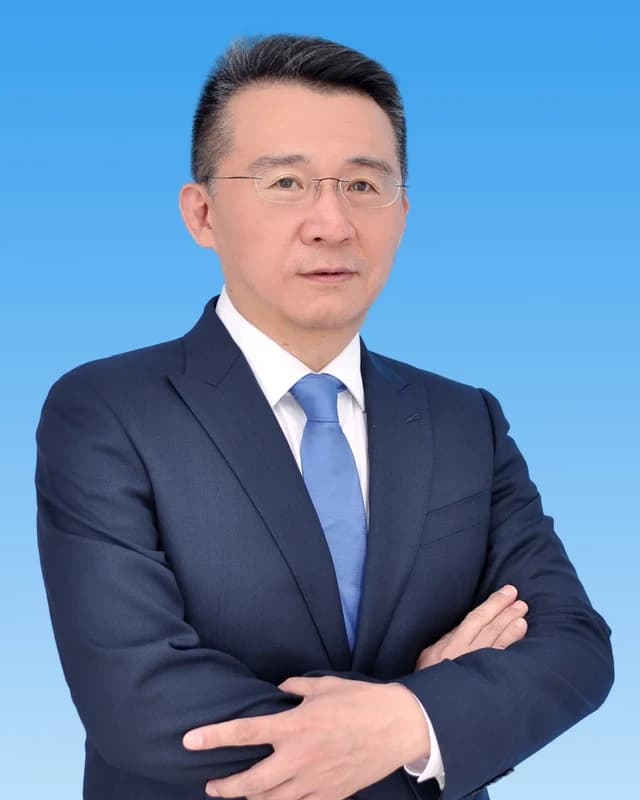
Hu Bin, MD, PhD
Chief Physician · Associate Professor
Clinical focus Lung Cancer · Pulmonary Nodules · Esophageal Cancer
About the doctor
Dr. Hu Bin is Director and Chief Physician of Thoracic Surgery at Beijing Chaoyang Hospital and an Associate Professor and postgraduate supervisor at Capital Medical University. He has long worked in thoracic surgery, with clinical areas including lung cancer, esophageal cancer, lung-volume reduction, mediastinal tumors, thoracoscopy and mediastinoscopy, together with clinical and laboratory research related to lung transplantation. The hospital determines whether surgery is indicated, which procedure may be appropriate, or whether lung-transplant assessment is suitable after reviewing pathology, staging, imaging, lung function, and the patient's overall health.
Clinical areas
A pulmonary nodule or ground-glass opacity requiring further assessment
Serial chest CT scans, prior imaging, and relevant risk factors can be reviewed by the thoracic team to determine whether surveillance, additional testing, or surgical assessment is appropriate.
Lung cancer requiring assessment of surgical options and lung-function preservation
The hospital reviews pathology, clinical stage, lesion location, and lung function when discussing segmental, lobar, or other care pathways. This page alone cannot determine the procedure.
Esophageal cancer or a mediastinal tumor requiring thoracic surgical assessment
Pathology, endoscopy, and imaging can be organized for the hospital to assess further staging, surgical feasibility, and whether multidisciplinary review is needed.
End-stage lung disease and questions about the lung-transplant assessment pathway
A transplant team must assess the underlying disease, infection status, organ function, rehabilitation potential, and other factors. Patients may first confirm the required records and referral pathway.
Professional highlights
- 01Completed training in lung transplantation and lung-volume reduction at the University of Washington in 2004
- 02Director and Chief Physician of Thoracic Surgery at Beijing Chaoyang Hospital
- 03Vice Chair of the Thoracic Surgery Branch of the Beijing Medical Doctor Association
- 04Standing Committee Member of the Lung Cancer Prevention and Treatment Branch of the China International Exchange and Promotive Association for Medical and Health Care
- 05Member of the Lung Transplantation Group of the Chinese Medical Association's Organ Transplantation Branch
Professional experience
1991
Graduated from Shandong Medical University (now Shandong University School of Medicine) and joined Thoracic Surgery at Beijing Chaoyang Hospital
2000
Received a master's degree in thoracic and cardiovascular surgery from Capital Medical University
2004
Completed training in lung transplantation and lung-volume reduction at the University of Washington
2007
Received a doctorate in thoracic and cardiovascular surgery from Capital Medical University
Present
Director and Chief Physician of Thoracic Surgery at Beijing Chaoyang Hospital; Associate Professor and postgraduate supervisor at Capital Medical University
Hospital and department
Beijing Chaoyang Hospital, Capital Medical University.
The department provides thoracic care and conducts research involving lung cancer, esophageal cancer, mediastinal tumors, lung transplantation, and minimally invasive thoracic surgery.
Before you seek care
Records to prepare
Consider preparing original chest CT images and reports, pathology materials, bronchoscopy or endoscopy reports, lung-function tests, prior treatment records, and current medications. The hospital confirms the final requirements.
Appointment arrangements
Schedules, campus arrangements, and appointment availability can change and are subject to the hospital's latest information.
- Massive hemoptysis, severe shortness of breath, chest pain, altered consciousness, or other emergency symptoms require immediate local emergency care.
- The hospital must determine suitability for surgery or lung-transplant assessment based on the current clinical condition. This page cannot provide an individual conclusion.