
Lung cancer treatment in China: options and cycles
Early-stage lung cancer is usually assessed for surgery first. Unresectable locally advanced lung cancer is often treated with chemoradiotherapy. For metastatic lung cancer, medicines are selected mainly according to pathology and genetic test results. Compare the options below to understand treatment cycles, hospital visits.
On this pageUsual treatment in China by stage
- 1.Usual treatment in China by stage
- 2.What affects treatment choices
- 3.Treatment options and cycles
- 4.Second opinions, recurrence and resistance
- 5.Targeted therapy, immunotherapy and clinical trials
- 6.Questions for a lung cancer team
- 7.Return travel and follow-up
- 8.Preparing incomplete records
- 9.Lung cancer care FAQs
- 10.How SinoCareHub can help
- 11.SinoCareHub service prices
- 12.Sources and scope
Usual treatment in China by stage
These are common treatment approaches in publicly available Chinese guidelines. Start with your stage, then review specific regimens. Treatment after recurrence also depends on medicines used previously.
Stage Ⅰ–Ⅱ non-small cell lung cancer
Removing the tumour is usually the main treatment when surgery can be tolerated. Whether medicines are needed afterwards depends on the final pathology. Patients with early-stage disease who cannot have surgery may discuss stereotactic radiotherapy.
Stage Ⅲ non-small cell lung cancer
First establish whether the tumour is resectable. Resectable disease is often treated with surgery and medicines. Patients with unresectable disease who are fit enough often receive concurrent chemoradiotherapy, followed by assessment for further treatment.
Stage Ⅳ or metastatic disease
Systemic drug treatment is the main approach. A corresponding targeted medicine may be discussed when an actionable target is identified. Otherwise, chemotherapy, immunotherapy or a combination is often discussed. Local treatment may be used for selected lesions or symptoms.
Small cell lung cancer
Chemotherapy forms the basis of treatment for most patients. Limited-stage disease is often treated with thoracic radiotherapy as well. Extensive-stage disease may be treated with chemotherapy plus immunotherapy. Surgery is considered only for a small number of patients with very early disease and no lymph node metastases.
What affects treatment choices
Treatment order and goals can differ even within lung cancer. The information below helps explain why a doctor proposes a particular plan.
Pathology: establish the type of lung cancer
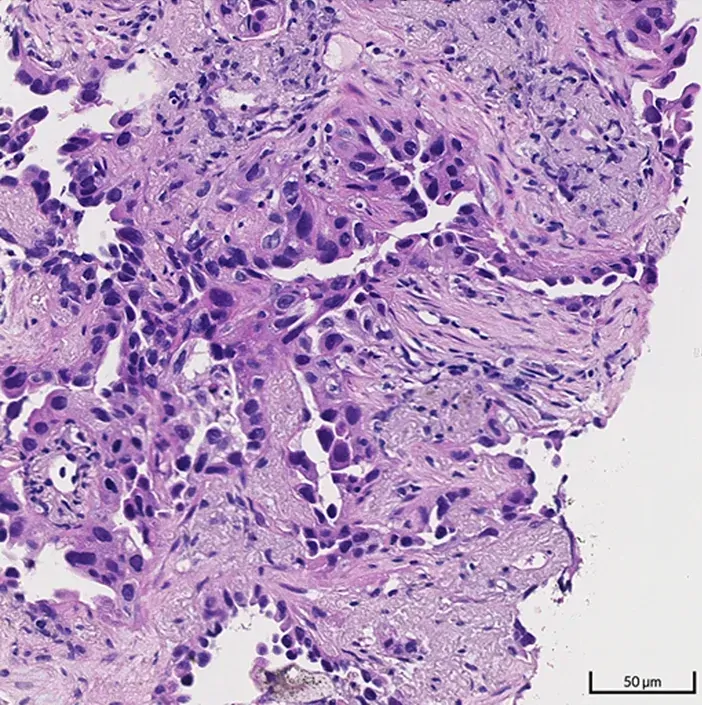
Non-small cell lung cancer and small cell lung cancer have different treatment pathways. Adenocarcinoma and squamous cell carcinoma are both types of non-small cell lung cancer. Classification requires pathological evidence; a mass on a CT scan alone is insufficient.
- Records to check
- Pathology and immunohistochemistry reports. The hospital will separately confirm whether slides or tissue need to be borrowed.
- Questions for your doctor
- Is the pathological diagnosis clear? Does it need review? How would this change the treatment discussion?
Extent of disease: stage and suitability for surgery are different questions
Stage describes how far the cancer has spread. Suitability for surgery also depends on tumour location, lymph node involvement, lung function and overall health. Doctors use this information to determine treatment goals and how local and systemic treatment should be combined.
- Records to check
- Existing staging information, imaging reports and original images. Do not independently repeat all staging tests.
- Questions for your doctor
- What is the current stage based on? Are any tests that could affect treatment decisions still missing?
View the respiratory anatomy diagram
Genetic results help determine which targeted medicines may be considered
For example, an EGFR exon 19 deletion or L858R mutation may lead to discussion of EGFR-targeted medicines; an ALK fusion corresponds to a different group of medicines. PD-L1 helps inform immunotherapy decisions but does not replace genetic testing. A variant on a report does not necessarily mean a suitable medicine is available.
- Records to check
- Complete molecular testing and PD-L1 reports, including sample source, test date, method and results.
- Questions for your doctor
- Do the completed tests answer the current question? Do the results correspond to a treatment that may be considered?
Previous treatment, overall health and your goals for daily life
Even for the same cancer, choices at initial treatment may differ from those after progression. Doctors need to understand heart and lung function, other illnesses, previous side effects and the daily activities you wish to maintain when discussing benefits and risks.
- Records to check
- A treatment timeline, previous response assessments, current medicines and adverse reaction records.
- Questions for your doctor
- What is the treatment intended to achieve? How may it affect breathing, physical stamina and quality of life?
Treatment options and cycles
The regimens below are examples from publicly available Chinese guidelines, not an individual prescription. Medicine names explain treatment options; doctors determine medicine selection and doses. Guideline years are listed in the sources. Newly approved medicines and indications require separate verification.
Surgery and post-operative treatmentResectable non-small cell lung cancer, with lung function and overall health sufficient for surgery.Post-operative treatment depends on pathology
- Example regimen
- Lobectomy with lymph node dissection is common. Segmentectomy or other resections may be assessed for selected early lesions. Video-assisted thoracoscopic surgery, robotic surgery and thoracotomy are different surgical approaches.
- Cycles and timing
- Patients eligible for post-operative adjuvant chemotherapy often receive 4 cycles. The 2022 Chinese guideline recommends starting after physical recovery, generally 4–6 weeks after surgery. Not every patient needs chemotherapy after surgery.
Also consider: An operation does not necessarily complete all treatment. The extent of resection affects lung function. Recovery, final pathology and possible additional drug treatment must also be considered.
Stereotactic body radiotherapy (SBRT) for early-stage lung cancerSelected patients with stage Ⅰ non-small cell lung cancer who cannot have or decline surgery.Irradiation: about 1 - 2 weeks; simulation and planning are additional
- Example regimen
- The lesion is treated in fewer sessions with a higher dose per session. This differs from conventionally fractionated radiotherapy for locally advanced disease.
- Cycles and timing
- Qinghai Cancer Hospital's 2025 material describes common schedules of 1–5 sessions over about 1 week, or 5–10 sessions over about 2 weeks in some situations. Fractionation depends on location and the patient's condition. These periods exclude simulation and planning and are not the total length of stay.
Also consider: Schedules may differ for lesions near the trachea, oesophagus or other structures. Radiation-induced lung injury and previous radiotherapy must be considered.
Concurrent chemoradiotherapy for locally advanced diseaseUnresectable locally advanced non-small cell lung cancer in patients who can tolerate concurrent treatment.Irradiation phase: about 6 weeks
- Example regimen
- Chemotherapy is given alongside thoracic radiotherapy. Pemetrexed plus a platinum agent may be discussed for non-squamous cancer; other regimens include etoposide plus cisplatin. Sequential treatment may be used if concurrent treatment cannot be tolerated.
- Cycles and timing
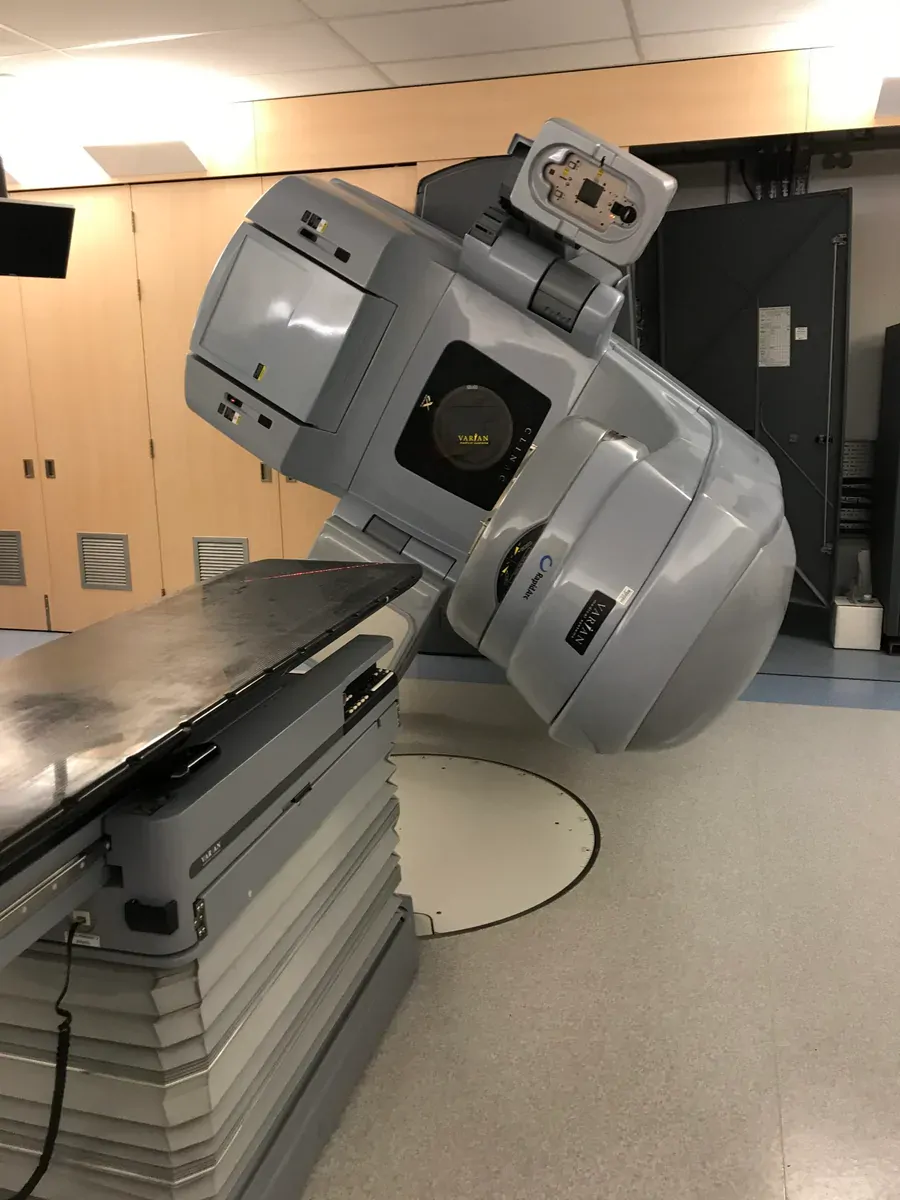
- An example of conventional fractionation is 30 radiation sessions. At 5 sessions per week, irradiation takes about 6 weeks. This is calculated from the schedule and excludes simulation and planning. The radiation oncology department determines each patient's fractionation.
Also consider: Swallowing discomfort, reduced blood cell counts or pneumonitis may occur. Consolidation treatment may still be needed afterwards, such as durvalumab for eligible patients; the 2022 Chinese guideline lists a 1-year course.
Oral targeted medicinesTesting identifies an actionable target for the medicine, and the patient must also meet that medicine's specific eligibility requirements.Ongoing medicines with regular reassessment
- Example regimen
- For example, patients with sensitising EGFR mutations may discuss medicines such as osimertinib; patients with ALK fusions may discuss medicines such as alectinib. Different targets and lines of treatment are not interchangeable.
- Cycles and timing
- Patients with advanced disease usually continue treatment until progression or intolerance, rather than stopping after '4 administrations'. When osimertinib is used as eligible post-operative adjuvant treatment, the cited material lists up to 3 years. These are different situations and must not be combined.
Also consider: Regular reassessment is needed to monitor side effects and manage resistance. Budget for medicines by month and add follow-up costs. Medicine supply and monitoring must also continue after returning home.
Chemotherapy plus immunotherapySelected patients with advanced non-small cell lung cancer without an actionable driver alteration. Regimens must distinguish non-squamous from squamous cancer.Initial phase: 4 - 6 cycles
- Example regimen
- A common example for non-squamous cancer is pemetrexed plus a platinum agent with pembrolizumab, sintilimab or another appropriate medicine. Squamous cancer may be treated with a taxane plus a platinum agent and a corresponding immunotherapy medicine.
- Cycles and timing
- Several regimens in the Chinese guideline use a 21-day cycle, with 4 initial combination cycles; some use 4–6 cycles. 4×21 days is about 12 weeks and 6×21 days about 18 weeks, including rest periods within each cycle.
Also consider: Some patients continue maintenance treatment after responding to initial treatment. 4 cycles do not represent the full duration of treatment. Blood counts, liver or kidney function, or immune-related side effects may lead to delays or adjustments.
Chemotherapy and combination treatment for small cell lung cancerFirst distinguish limited-stage from extensive-stage disease and assess whether combination treatment can be tolerated.Some first-line regimens: 4 - 6 cycles
- Example regimen
- Etoposide plus cisplatin or carboplatin is commonly used. Limited-stage disease is often treated with thoracic radiotherapy as well. Extensive-stage disease may be treated with a platinum agent, etoposide and an immunotherapy medicine such as atezolizumab.
- Cycles and timing
- The 2022 Chinese guideline lists 4–6 cycles for some first-line chemotherapy regimens. Thoracic radiotherapy for limited-stage disease is often introduced early, potentially alongside the 1st or 2nd chemotherapy cycle. Subsequent immunotherapy treatment follows the specific regimen.
Also consider: Maintenance treatment after initial chemotherapy, thoracic treatment and brain management each require a separate plan. Targeted regimens for lung adenocarcinoma must not be applied to small cell lung cancer.
Symptom support and palliative careThese can be discussed alongside anticancer treatment at different stages of disease.Adjusted to symptoms and treatment response
- Example regimen
- Relieve pain and breathing discomfort, improve nutrition and psychological well-being, and support patients and families.
- Cycles and timing
- Care is adjusted continuously according to symptoms and treatment response. There is no universal number of sessions per course.
Also consider: The causes of pain, breathlessness or declining stamina need assessment, and arrangements for ongoing local care must be clear.
When do you need to visit the hospital during a cycle?
Example: a 21-day cycle- Before treatment
Check readiness to start
The hospital considers test results, your overall condition and previous side effects to confirm this treatment's medication arrangements.
- Treatment day
Attend as scheduled
Medicines are given in an outpatient clinic, day unit or inpatient setting. Some regimens also require visits on day 8 or day 15.
- During the cycle
Recovery and monitoring
Take medicines as instructed and monitor symptoms. This period is part of the cycle; it does not mean staying in hospital every day.
- Before the next cycle
Reassess before continuing
Report side effects and complete the requested reassessment. Doctors decide whether to continue on schedule, delay or adjust treatment.
When planning travel, confirm hospital visit counts, blood test or reassessment dates, and whether admission is needed. Returning home between cycles depends on your condition and subsequent treatment. Do not book travel based only on '21 days'.
Radiotherapy also requires simulation and planning; oral targeted medicines are often taken continuously. Returning home between cycles and fitness to fly depend on your condition and subsequent reassessment arrangements.
Second opinions, recurrence and resistance
A second opinion can address a specific diagnostic or treatment question. When several specialties need to discuss the case together, ask the hospital about a multidisciplinary team (MDT) consultation.
Turn differences of opinion into clear questions
For example: does the pathology need review, is surgery possible, why start with chemoradiotherapy, and what is the current treatment goal? Ask the doctor to explain the evidence and comparable options. Review may also confirm the existing plan.
Rebuild the treatment timeline after recurrence or progression
Record each line of treatment and its start and end dates, when it worked, when progression occurred and why it was stopped. Provide images and reports from different dates together so the doctor can compare changes.

What question should additional testing answer?
When the disease changes after treatment, the original sample may no longer answer the new question. Doctors may discuss review, repeat sampling or liquid biopsy. Assessment should establish whether sampling is safe, the sample is sufficient and the result could change treatment.
Brain or other metastases
Doctors need to understand symptoms and the distribution of metastases, alongside current medicines and previous treatment, when assessing further options. Symptom support and quality of life should also be discussed.
Tell us what you would like to ask the doctor. We help contact the hospital and confirm the second opinion's format and fees.
Lung Cancer Second Opinion in China: Records and MDT ReviewTargeted therapy, immunotherapy and clinical trials
Establish why a medicine needs changing
If the tumour has progressed, doctors may reassess resistance mechanisms. If side effects are the reason, the discussion concerns pausing, adjusting or replacing treatment. After progression on an EGFR-targeted medicine, the original positive result alone does not establish that another medicine of the same class will still work.
Can a clinical trial reduce medicine costs?
Some studies provide the investigational medicine or specific tests, but participation does not mean all costs are waived. Before applying, ask who pays for routine medical care, travel, accommodation and additional tests, and clarify screening and group allocation.
A Chinese study: how much benefit and how much additional risk?
HARMONi-2 was conducted at 55 hospitals in China and enrolled 398 patients with previously untreated locally advanced or metastatic non-small cell lung cancer, PD-L1≥1%, no sensitising EGFR mutations or ALK translocations, and a performance status score of 0–1. It compared ivonescimab with pembrolizumab.
The prespecified interim analysis published in The Lancet in 2025 reported median progression-free survival of 11.1 months versus 5.8 months.
Grade 3 or higher treatment-related adverse events occurred in 29% and 16%, respectively, listed in the order ivonescimab, pembrolizumab. Benefits and side effects should be compared together.
Progression-free survival measures time until disease progression or death. It is not overall survival and does not mean an individual will necessarily live 5.3 months longer. These data do not apply to all lung cancers. Any use must also be checked against current Chinese prescribing information and hospital supply.
Questions for a lung cancer team
The team to contact depends on the question you want answered. You can take these questions to a hospital consultation.
- If the main question is whether surgery is possible, how will the hospital arrange thoracic surgical assessment, and which lung function and imaging records are needed?
- If I have received drug treatment, can the lung cancer medical oncology team review my treatment history and clarify the next assessment question?
- If I have had thoracic or brain radiotherapy, should radiation oncology join the discussion? How much of the original treatment plan must I provide?
Return travel and follow-up
Tell your local doctor about your breathing
For travel assessment, explain whether you need oxygen, have recently coughed up blood or experienced breathlessness, and when you last received treatment. Do not independently stop medicines or delay necessary treatment while waiting to travel to China.
Confirm follow-up with the doctor who will care for you at home
Before departure, ask whether your local team can continue treatment. Before returning home, agree with doctors in both countries on lung cancer follow-up, medicines and side-effect monitoring. Keep the treatment summary and contact details.
Preparing incomplete records
The relevant records for each assessment are listed above. If a report says only 'suspected', molecular testing has not been done, or original images are temporarily unavailable, identify what is missing and ask the hospital which assessment it affects. Do not independently complete every test just to fill a checklist.
Guide to preparing medical records, imaging and pathology materialsIf breathlessness suddenly becomes much worse, coughing up blood increases or other acute changes occur, contact a local healthcare facility promptly for assessment. Do not wait for the platform's reply. Routine enquiries do not provide emergency care.
Lung cancer care FAQs
Can a CT scan suggesting lung cancer determine treatment directly?
Imaging helps establish the lesion and extent of spread. Lung cancer classification usually also requires pathological evidence. Doctors use the available records to determine sampling and further assessment.
Is a genetic test report still useful if it found no actionable target?
Yes. Doctors review test coverage and sample quality alongside other results when discussing treatment. Some tests do not cover all relevant alterations. Whether further testing is needed depends on whether it can answer the current treatment question.
Can a variant of uncertain significance guide medicine selection?
This result means the variant's clinical significance is unclear and usually cannot be used to select treatment. Provide the report's complete annotations so the doctor can distinguish known actionable targets from uncertain findings.
Does a 21-day cycle mean staying in hospital for 21 days?
No. A cycle includes treatment and recovery. Some regimens mainly give medicines on day 1; others require visits on day 8 or day 15 as well. The hospital arranges inpatient care, day treatment or outpatient infusion. Cycle length cannot be used directly as admission length.
Do oral targeted medicines always have mild side effects?
Targeted medicines can also cause serious side effects. Risks vary by medicine and individual circumstances. Ask the treatment team about monitoring, symptoms to report and how to contact a doctor if problems occur.
Should I still watch for side effects after immunotherapy ends?
Yes. Immune-related side effects may occur during or after treatment. Keep medicine names and dates, and ask the doctor which symptoms to watch for. If new symptoms occur, tell the treating doctor about your previous immunotherapy.
Can I stop medicines myself if a scan shows the tumour has shrunk?
Do not independently stop medicines based on one scan. The treatment team considers the plan and repeated assessments when confirming treatment duration and next steps. Contact the doctor promptly if side effects make continued treatment difficult.
How often is follow-up needed, and must I return to China each time?
For early and intermediate-stage lung cancer after combined treatment including surgery, the 2022 Chinese guideline lists follow-up every 3 months for the first 2 years, every six months in years 2–5, and annually after 5 years. These intervals do not apply to advanced disease, ongoing drug treatment or new symptoms. Agree in advance with doctors in both countries on which tests can be done locally and how images should be shared.
How SinoCareHub can help
From first contacting a hospital to follow-up after treatment, SinoCareHub helps coordinate records, appointments, costs and communication. You can ask about just the step you currently need. We confirm the specific service scope and fees with you first.
Before your visit: organise the diagnosis and treatment history
SinoCareHub helps organise pathology, genetic tests, imaging and medication records by date, noting completed treatment, the most recent treatment date and the question you want answered. We check missing records with the intended hospital, follow up submissions, translation and borrowing pathology materials, and explain the scope and fees for preparation and translation. The hospital decides whether tests need repeating.
Questions about your plan: coordinate a hospital MDT or second opinion
If you want to understand whether surgery is possible, whether surgery or medicines should come first, or treatment after recurrence, SinoCareHub can help apply for a lung cancer multidisciplinary team (MDT) consultation or specialist second opinion. We follow up record review and confirm participating departments, in-person or remote format, dates, fees and written opinion arrangements with the hospital. Language support follows the agreed scope. Afterwards, we help organise questions still requiring a doctor's explanation and follow up the next appointment.
Before arrival in China: connect bookings with actual hospital visit dates
We help follow up appointments for consultations, tests, multidisciplinary reviews and treatment, explaining confirmed dates and arrangements still dependent on test results or beds. We check the campus, check-in location and contact person, ask the hospital about actual visit counts and expected stay, and coordinate interpreting, accompaniment, transport and accommodation as agreed. If appointments change, we follow up adjustments and explain possible additional costs.
During treatment: help communicate instructions and changes
We coordinate medical interpreting and accompaniment as agreed, helping record medicines, follow-up, precautions and clinical contact details explained by doctors. If instructions are unclear, costs increase or treatment dates change, we help clarify these with the hospital and follow up the next visit and budget. Doctors decide dose reductions, stopping or changing medicines, and side-effect management. Routine platform enquiries do not provide emergency care or round-the-clock medical monitoring.
Return travel and follow-up: hand treatment records to subsequent doctors
We help follow up discharge summaries, surgical and pathology results, medicine names and administration dates. For radiotherapy, we follow up access to treatment summaries and planning records. We coordinate translation as agreed, organise the doctor's follow-up tests, dates and contacts, and ask the hospital which tests can be completed locally, how to submit results and whether another visit is needed. Relevant doctors and the receiving hospital decide fitness to fly and whether medicines can be continued locally.
SinoCareHub service prices
Sources and scope
Source information checked: 2026-10-12. Guideline versions are specified for treatment pathways and cycles. Quotes use self-pay international department care; the hospital confirms individual estimates. Compiled by SinoCareHub; no external medical expert review is claimed.
View medical sources
- National Health Commission · Guideline for diagnosis and treatment of primary lung cancer (2022): treatment, cycles and follow-up ↗ (opens in a new window)National Health Commission of China
- National Health Commission · Stage-based treatment principles in the 2024 lung cancer early diagnosis and treatment programme ↗ (opens in a new window)National Health Commission of China
- Chinese Society of Clinical Oncology · Example of conventional radiotherapy fractionation for locally advanced non-small cell lung cancer (2014) ↗ (opens in a new window)Chinese Society of Clinical Oncology
- Qinghai Cancer Hospital · Lung cancer SBRT sessions and duration (2025-09-17) ↗ (opens in a new window)Qinghai Fifth People's Hospital (Qinghai Cancer Hospital)
- HARMONi-2 · Randomised study at 55 Chinese hospitals: interim efficacy and adverse events (Lancet, 2025) ↗ (opens in a new window)Lancet/PubMed
- National Healthcare Security Administration · Osimertinib reference information and treatment duration in 2024 published application materials ↗ (opens in a new window)National Healthcare Security Administration publication / Nanjing Sanhome Pharmaceutical application
- NCI · Non-small cell lung cancer treatment and staging ↗ (opens in a new window)National Cancer Institute
- NCI · Small cell lung cancer treatment ↗ (opens in a new window)National Cancer Institute
- NCI · Biomarker testing and its limitations ↗ (opens in a new window)National Cancer Institute
- ACS · Non-small cell lung cancer treatment options and care team ↗ (opens in a new window)American Cancer Society
- ACS · Small cell lung cancer treatment options ↗ (opens in a new window)American Cancer Society
- NCI · Finding cancer care and second opinions ↗ (opens in a new window)National Cancer Institute
- NCI · Clinical trial participation, costs and safety ↗ (opens in a new window)National Cancer Institute
- NCI · Palliative care and quality of life ↗ (opens in a new window)National Cancer Institute
- NCI · Targeted therapy and side effects ↗ (opens in a new window)National Cancer Institute
- NCI · Side effects during and after immunotherapy ↗ (opens in a new window)National Cancer Institute
- NCI · Chemotherapy cycles, treatment locations, reassessment and schedule adjustments (reviewed 2025-05-15) ↗ (opens in a new window)National Cancer Institute
- ACS · Follow-up after lung cancer treatment ↗ (opens in a new window)American Cancer Society
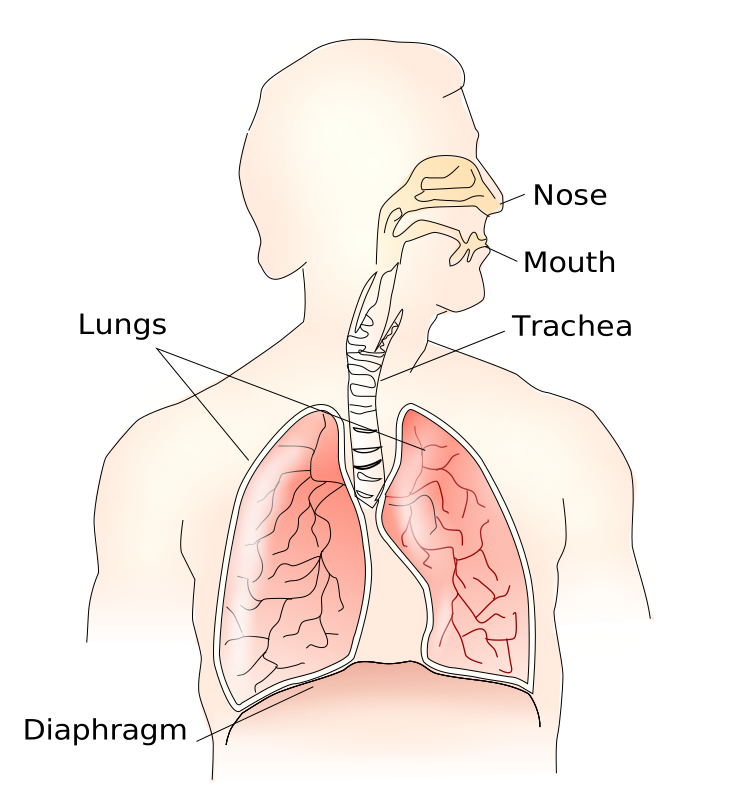
Anatomy diagram: Theresa Knott / Wikimedia Commons · CC BY-SA 3.0. English labels retained and other language versions removed; the anatomical drawing is unchanged.
Histological micrograph: Chen CL、Chen CC、Yu WH、Chen SH、Chang YC、Hsu TI / Nature Communications (2021) · CC BY 4.0. Converted to WebP with the complete image and scale bar retained. It illustrates pathological classification and is not for individual diagnosis.
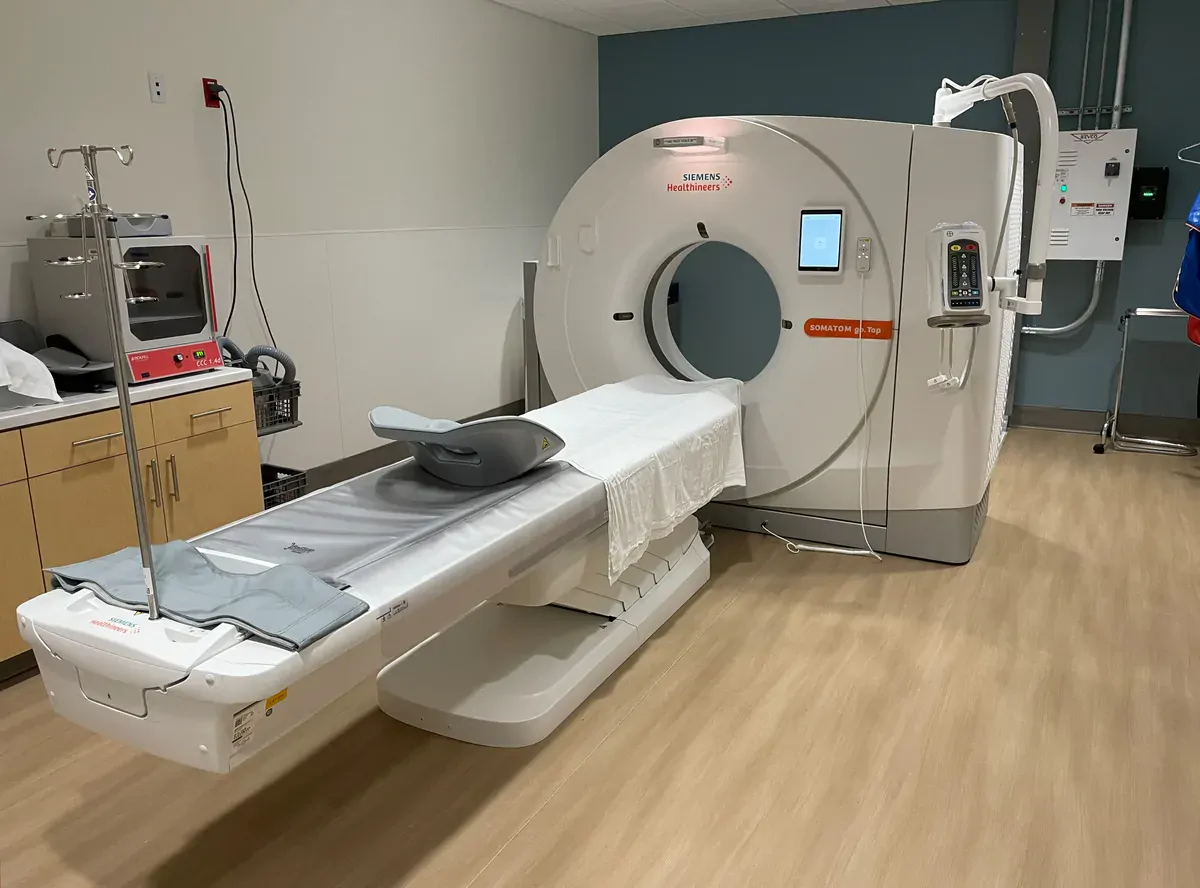
Stock photograph: EVG Kowalievska / Pexels · Pexels License. Used to illustrate image review or an equipment setting; it does not depict a SinoCareHub service location or the intended hospital's equipment.
Stock photograph: Bot1070 / Wikimedia Commons · CC0 1.0. Used to illustrate image review or an equipment setting; it does not depict a SinoCareHub service location or the intended hospital's equipment.
Stock photograph: Sarah Sol / USDA Rural Development / Wikimedia Commons · Public Domain. Used to illustrate image review or an equipment setting; it does not depict a SinoCareHub service location or the intended hospital's equipment.
Stock photograph: Konrad Förstner / Wikimedia Commons · CC0 1.0. Used to illustrate image review or an equipment setting; it does not depict a SinoCareHub service location or the intended hospital's equipment.
This page does not replace diagnosis, prescriptions, treatment planning or emergency care. Discuss individual decisions with your current treatment team. Hospital arrangements, service scope and fees each require confirmation.