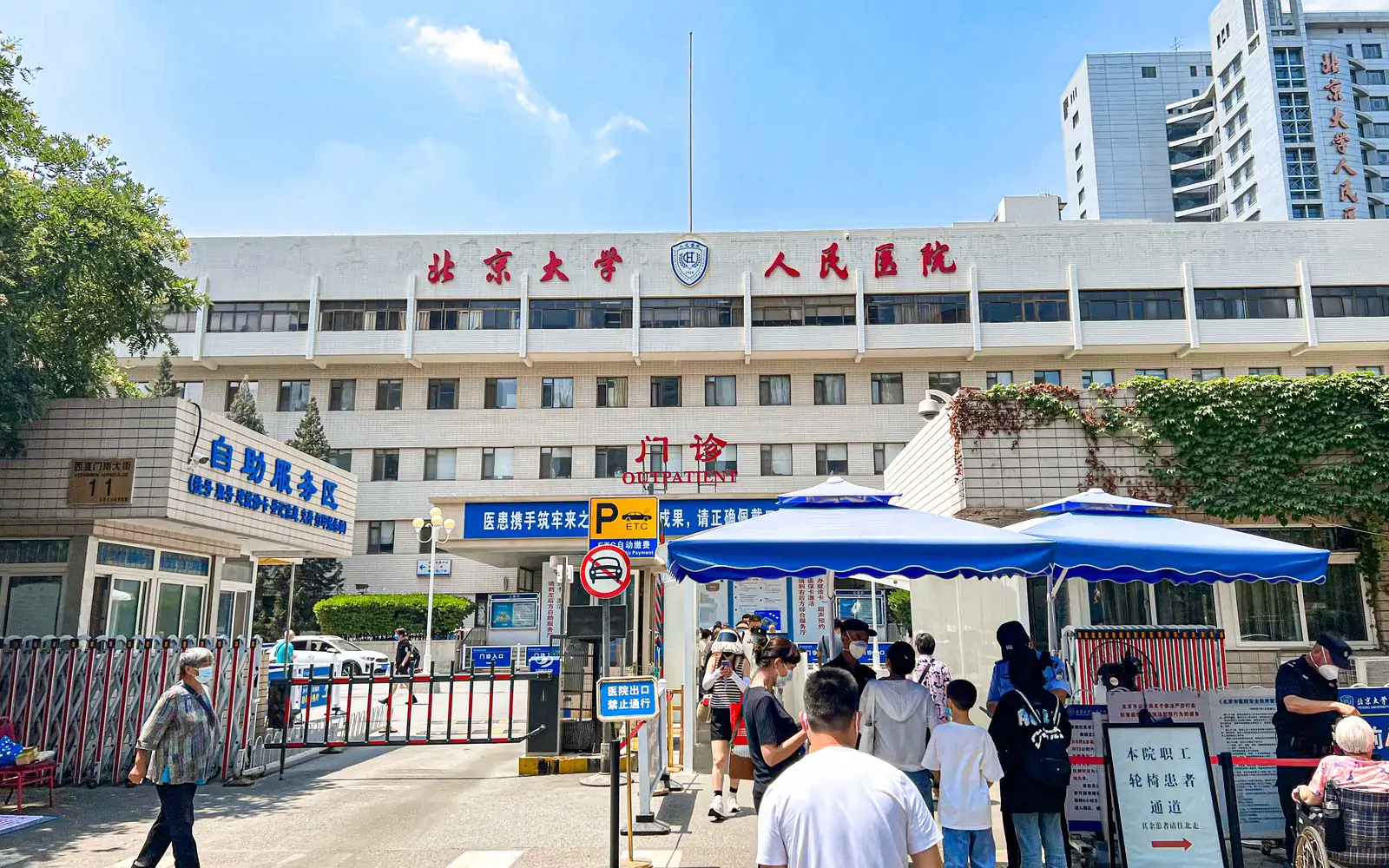

Peking University Third Hospital
Comprehensive hospitalCore StrengthsSports medicine, Reproductive medicine (assisted reproductive technology), Orthopedics (spine), Ophthalmology
Which specialist should you see for joint pain, spine problems or a sports injury? If you already have a diagnosis and are considering surgery or planning rehabilitation, the relevant guide explains what records and scans to prepare, what costs to check with the hospital, and how to plan care in China and follow-up back home.
Walking is difficult because of knee or hip pain. Learn about first-time replacement and preparing for care in China.
Explore whether the hip can be preserved after a diagnosis of femoral head osteonecrosis, or get recurrent pain assessed after replacement.
Does your report mention a herniated disc or spinal stenosis? See how the findings relate to your symptoms and when to compare endoscopic decompression with other options.
After an ACL, meniscus, or rotator cuff injury, find out when arthroscopy may be considered and what to assess before resuming training.
Recurring pain from tennis elbow, plantar fasciitis, or another overuse condition? Learn how clinicians assess the pain and compare exercise, shockwave therapy, and injections.
Help a family member recover from a fragility fracture and learn how to reduce the risk of another fracture.
Explore functional reconstruction when an old fracture has not united or an old injury has left a deformity.
Has your child been found to have scoliosis, hip dysplasia, or clubfoot? Find out what to bring for assessment and how brace or cast treatment is followed up.
Did a scan find a mass that may be a bone tumor or soft tissue sarcoma? Find out which scans to bring, who should plan the biopsy, and how to have existing pathology reviewed.
If a foot, ankle or hand problem affects walking or grip, explore assessment for functional reconstruction.
If movement remains difficult after surgery, plan a functional reassessment and rehabilitation after you return home.
Contact SinoCareHub for help checking with the hospital about whether it can see you and when.

Core StrengthsSports medicine, Reproductive medicine (assisted reproductive technology), Orthopedics (spine), Ophthalmology

Core StrengthsOrthopedics (trauma, hand, spine, and joint surgery; nationally leading), Burn care (mass burn incidents)

Core StrengthsHematology (leukemia and bone marrow transplantation), Orthopedics (trauma and spine), Obstetrics and gynecology, Rheumatology and immunology
Review each doctor’s hospital, department and clinical focus to decide whom to contact about your diagnosis.

Chief Physician · Second-Level Professor

Chief Physician · Professor (Level 2) / Doctoral Supervisor

Chief Physician · Professor

Chief Physician · Professor
Eight steps cover records and assessment, appointments and travel, in-person care, return travel and follow-up. Open a step to see what to prepare, who can confirm it and what follows.
Summarize diagnoses, imaging and past treatment. Explain what hurts, which activities are limited and what you most want to improve.
Confirm in this step: Condition summary, available records and questions for the doctor
Contact the relevant specialty to confirm whether the hospital can review records first, offer a remote consultation or needs to see you in person.
Confirm in this step: Hospital response, outstanding records and the next assessment step
Confirm the hospital campus, department and appointment time. Ask about expected services, costs and when the estimate may change.
Confirm in this step: Appointment details, itemized estimate and costs to confirm
Check visa or visa-free conditions according to passport nationality, place of residence, purpose of travel and expected stay. The hospital decides whether it can issue medical documents. The responsible authorities decide visas and entry.
Confirm in this step: Valid travel documents, required paperwork and a flexible itinerary
Bring original records and a current medication list. The doctor will use the examination and prior test results to decide whether further testing is needed.
Confirm in this step: Doctor's assessment, tests to complete and arrangements to discuss the plan
Discuss treatment and care needs with the medical team. Ask how rehabilitation continues in hospital and after discharge.
Confirm in this step: Treatment plan, rehabilitation instructions and medical contacts
Prepare discharge papers before leaving. Check whether you need a local follow-up visit and when you can travel long distance.
Confirm in this step: Discharge documents, follow-up plans and advice on return travel
Share treatment records and the rehabilitation plan with your local team. Confirm follow-up dates and how to share results.
Confirm in this step: Local provider, follow-up plan and method for sharing results
Yes. Tell us which hospital or doctor you prefer and when you hope to visit. We help contact the hospital to ask about requirements, scheduling and records. If you have not chosen one yet, start by describing your concern.
You can first ask about your options and what to prepare. The initial inquiry is free. Decide whether to continue after receiving details of the services and fees. SinoCareHub helps organize records, contact hospitals and coordinate travel. The receiving hospital and licensed physicians make diagnosis and treatment decisions.
We help coordinate planned care and do not provide emergency care. Seek local care first for serious injury or sudden worsening. If you need urgent care, call local emergency services or go to an emergency department. Do not wait for a cross-border consultation or travel arrangements.