
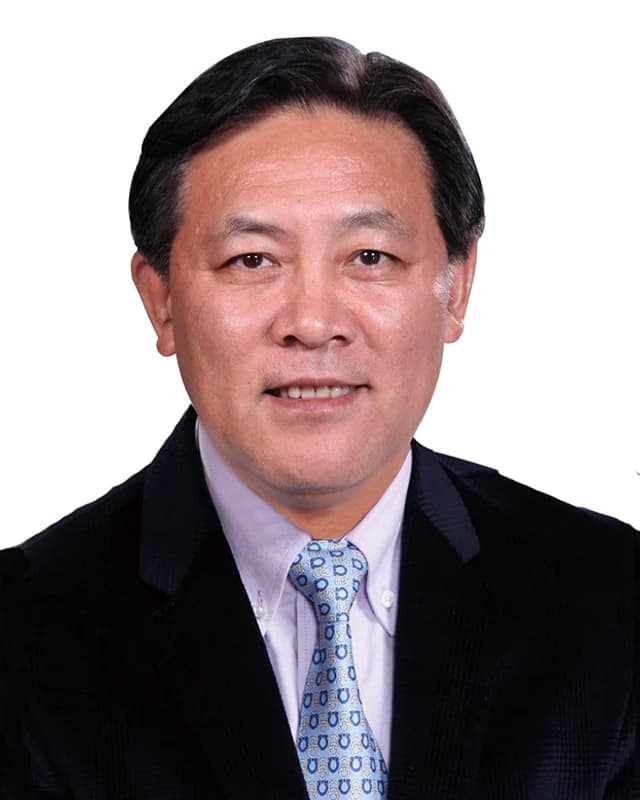
Yong Hai, MD, PhD
Chief Physician · Second-Level Professor
Beijing
More than 30 years of clinical experience in complex spinal conditions and over 7,000 spinal operations performed as lead surgeon
Beijing Chaoyang Hospital, Capital Medical UniversityOrthopedics (Spine Surgery)
Clinical focus Severe Scoliosis · Spinal Kyphosis · Early-Onset Scoliosis
About the doctor
Professor Yong Hai is Director and Chief Physician of Orthopedics at Beijing Chaoyang Hospital, Capital Medical University, and a Second-Level Professor. He has more than 30 years of clinical experience in complex spinal conditions and has performed over 7,000 spinal operations as lead surgeon. His clinical focus includes correction of severe scoliosis and kyphosis, spinal cord injury repair, and minimally invasive treatment of degenerative cervical and lumbar spine disease. He also provides long-term, staged treatment for congenital and early-onset scoliosis, considering growth and changes in the deformity when assessing further care. If you are considering spinal correction, want to understand whether minimally invasive treatment is an option, or have had spine surgery and would like another specialist opinion, the clinical areas below outline questions you can discuss at a consultation. Whether surgery is needed and which treatment is appropriate require a review of your complete medical record and an in-person assessment.
Clinical areas
Scoliosis or kyphosis: understanding options for correction
If you have severe scoliosis or kyphosis and want to understand corrective treatment options, this is an area you can discuss at a consultation. The doctor reviews standing radiographs and previous treatment records to assess deformity severity, neurological function, and cardiopulmonary fitness before discussing a plan.
Congenital or early-onset scoliosis: planning ongoing care
Care for these conditions considers growth and changes in the spinal deformity. A consultation can cover continued observation, traction or surgery, and how treatment might be staged. The treating team determines which options are appropriate for the individual.
Degenerative cervical or lumbar spine disease: is minimally invasive treatment an option?
If you have a diagnosis of degenerative cervical or lumbar spine disease, you can bring existing tests to discuss non-surgical care, surgery, and minimally invasive options. Symptoms, neurological findings, and imaging help the doctor decide whether further tests are needed and discuss suitable treatment.
A complex condition or previous spine surgery: seeking another specialist opinion
If you have an existing spinal diagnosis or previous spine surgery and want another opinion on your condition and treatment options, gather original imaging, operative records, and a summary of recent symptoms and functional changes. The spine team can review whether further assessment is appropriate.
Professional highlights
- 01More than 30 years of clinical experience in complex spinal conditions and over 7,000 spinal operations performed as lead surgeon
- 02Led 3 National Key R&D Program projects, 5 National Natural Science Foundation grants, and more than 20 provincial or ministerial projects
- 03Published more than 600 academic papers, including over 210 SCI-indexed papers, and served as chief editor or translator of 17 books
- 04Holds 8 invention patents and 25 utility-model patents and has received multiple provincial or ministerial science awards
Current roles
Director and Chief Physician, Department of Orthopedics, Beijing Chaoyang Hospital; Second-Level Professor
Vice Dean of the School of Orthopedics at Capital Medical University, Director of the Center for Spinal Deformity, and PhD supervisor at Beihang University
President of the International Society for the Study of the Lumbar Spine (ISSLS)
Hospital and department
Founded in 1958, Beijing Chaoyang Hospital, Capital Medical University, is a public Grade III, Class A general hospital run by the Beijing municipal government, with roles in clinical care, teaching, research, and prevention. It has Dongdaqiao, Shijingshan, and Changying campuses.
The Department of Orthopedics includes spine surgery and provides clinical care and research for complex spinal conditions.
Before you seek care
Records to prepare
Prepare original spine imaging and reports, prior operative and treatment records, a summary of current symptoms and functional changes, a medication list, and recent relevant tests. For spinal deformity assessment, include complete standing radiographs. The hospital confirms the specific requirements.
Appointment arrangements
Schedules, campus arrangements, and appointment availability can change and are subject to the hospital's latest information.
- Acute spinal cord injury, progressive paralysis, sudden bladder or bowel dysfunction, or other emergency symptoms require immediate local emergency care.
- This page cannot determine whether surgery is needed and does not replace an in-person consultation, imaging review, or perioperative risk assessment by the treating team.