
Sports injuries and arthroscopy: How is return to sport assessed?
Compare when anterior cruciate ligament reconstruction, meniscal repair and rotator cuff repair may be suitable. See how sports medicine teams in China connect arthroscopy, functional rehabilitation and assessment for return to sport.
Free initial inquiryContentsWhat should you tell the doctor about an ACL, meniscus or rotator cuff injury?
- 1.What should you tell the doctor about an ACL, meniscus or rotator cuff injury?
- 2.When is arthroscopy worth discussing?
- 3.Hospitals and care coordination
- 4.How are discharge, the trip home and return to sport assessed separately?
- 5.What records should you bring to a sports injury assessment?
- 6.SinoCareHub service prices
- 7.Frequently asked questions
- 8.Make an inquiry
- 9.Sources
What should you tell the doctor about an ACL, meniscus or rotator cuff injury?
Describe how the injury happened, what you cannot do now and which sport you want to return to. Send your reports and original scans so the doctor can assess them alongside a physical exam and the demands of your sport.
- Knee instability or locking due to the meniscusSee what ligament reconstruction and meniscal repair each address.
- Difficulty lifting your arm after an injury, with a suspected rotator cuff injuryCompare how specialists assess rotator cuff rehabilitation and arthroscopic repair.
- You’ve had surgery and want to run, change direction or play ball sportsLearn how strength, movement control and readiness for sport are assessed.
Anterior cruciate ligament (ACL)
Describe how the injury happened when turning sharply, landing or changing direction, and whether your knee keeps giving way. If you discuss reconstruction, ask about graft options and how they could affect your training goals.
Meniscus tear
Record any pain, swelling or locking. If you are considering surgery, ask about the tear’s location and pattern, whether it can be repaired and how each option would affect weight-bearing and rehabilitation.
Rotator cuff
Explain whether weakness came on suddenly after an injury or pain developed gradually. Tell your doctor how lifting your arm, overhead movement and work are affected. Ask when non-surgical treatment or repair may be suitable. If you are considering shoulder arthroscopy, confirm the structures the procedure would treat and the rehabilitation it would require.
When is arthroscopy worth discussing?
ACL reconstruction mainly restores knee stability. Meniscal repair with sutures aims to preserve tissue. Rotator cuff repair reattaches the torn tendon to the bone. Even when these three operations use the same arthroscopic approach, the requirements for protecting tissues and resuming loading differ.
Anterior cruciate ligament reconstruction
Reconstruction may be discussed if the knee repeatedly gives way or you want to return to sports that involve changing direction. The doctor compares options based on activity goals, associated injuries and the graft donor site. Postoperative rehabilitation remains part of restoring strength and movement control.
Acute isolated meniscus tear
When surgery is needed, AAOS recommends preserving as much usable meniscus tissue as possible. Whether the tear can be stitched depends on its location and pattern and the quality of the tissue. A displaced tear that restricts joint movement should be assessed promptly by a specialist.
Rotator cuff rehabilitation or arthroscopic repair
Some rotator cuff tears can be treated initially with physical therapy to improve function. If you have marked weakness after an injury, a larger tear or persistent functional limitations, discuss whether repair is feasible based on tear size, tendon retraction and muscle condition.
Choosing an arthroscopy specialist and sports rehabilitation team in China
Match the injured joint to a sports medicine subspecialty. Check whether the surgical and rehabilitation teams can follow the same criteria for protection and training.
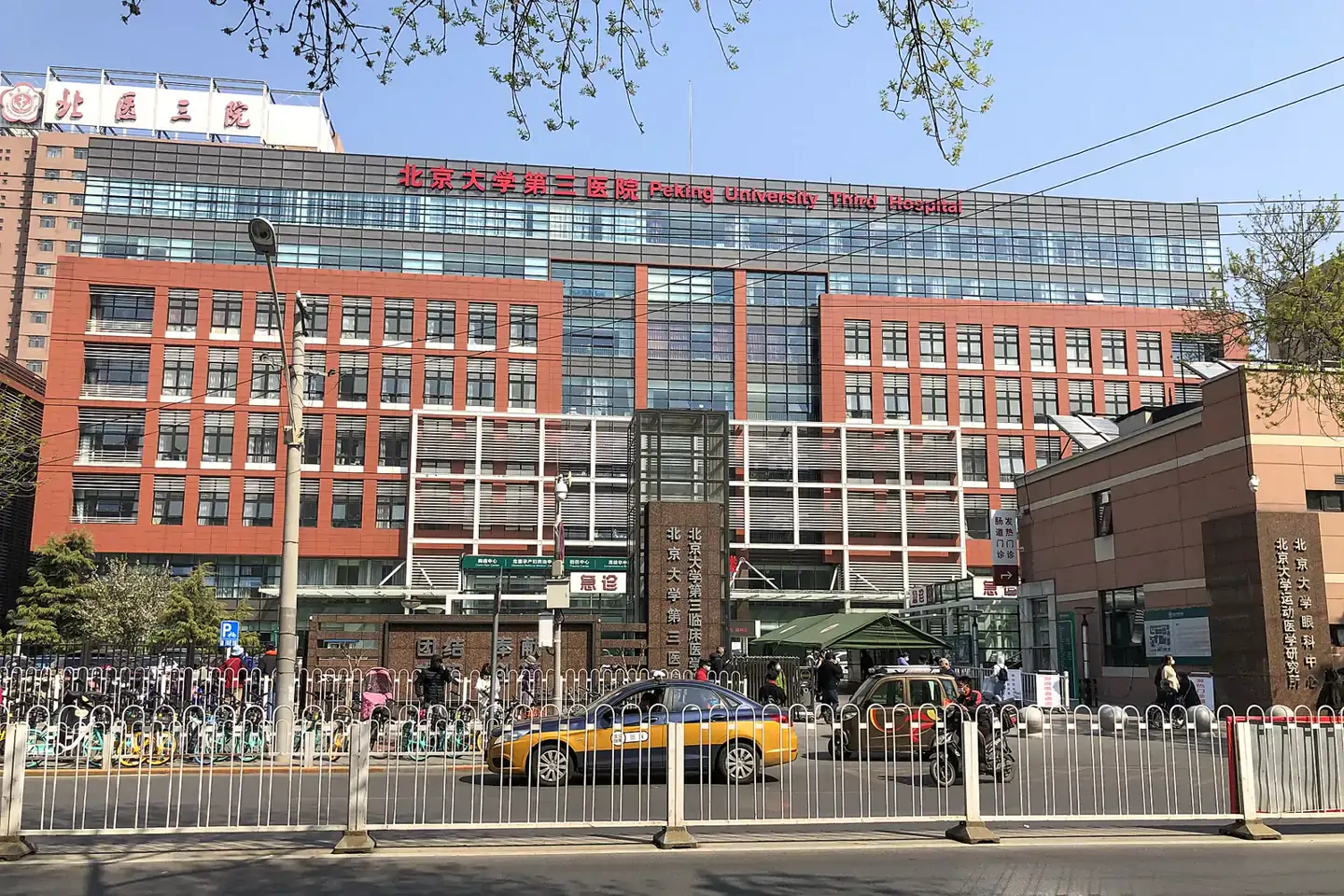
Peking University Third Hospital
Comprehensive hospitalCore StrengthsSports medicine, Reproductive medicine (assisted reproductive technology), Orthopedics (spine), Ophthalmology
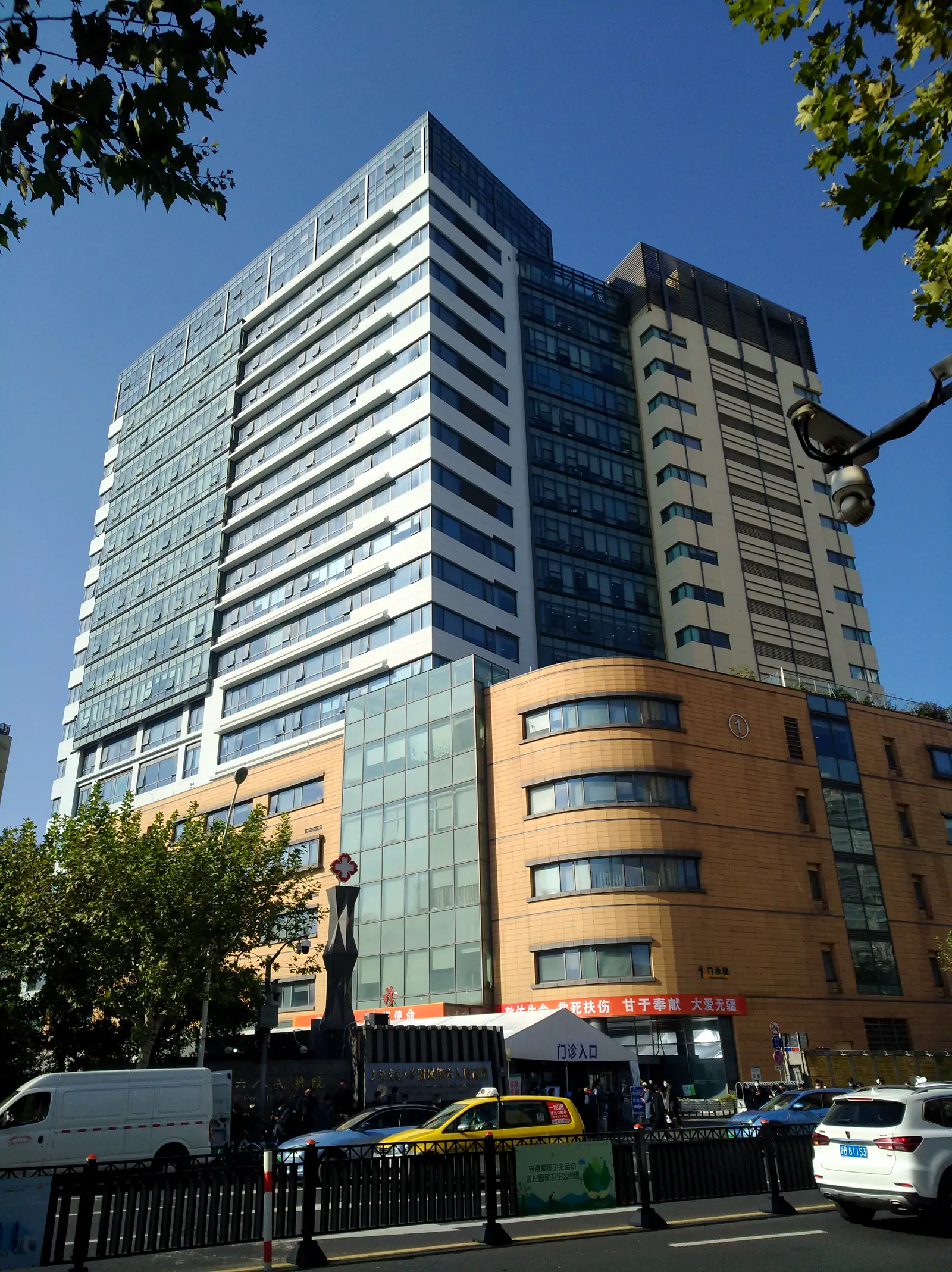
Shanghai Sixth People's Hospital, Shanghai Jiao Tong University School of Medicine
Comprehensive hospitalCore StrengthsOrthopedics (trauma and replantation of amputated limbs), Endocrinology and metabolism (diabetic foot), Otolaryngology
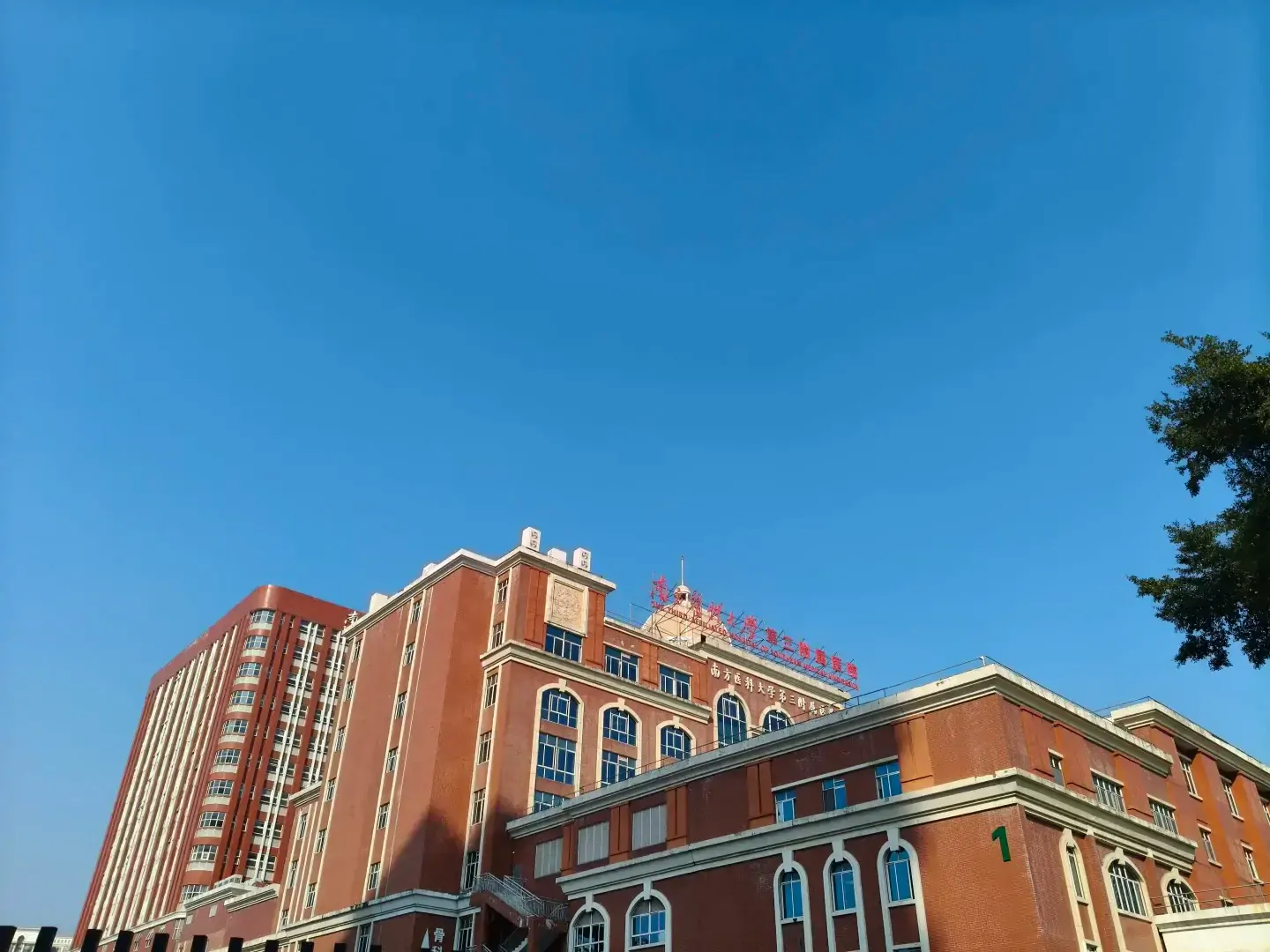
Third Affiliated Hospital of Southern Medical University
Comprehensive hospitalCore StrengthsOrthopedics, Sports Medicine, Rehabilitation Medicine, Critical Care Medicine
Knee arthroscopy
If both the ACL and meniscus are injured, ask the hospital to specify the graft and how it plans to treat the meniscus. Ask how a combined repair would affect weight-bearing, knee bending and progression of exercises.
Shoulder arthroscopy
Ask the team to distinguish between procedures such as rotator cuff repair and surgery for shoulder instability. Ask for written criteria on sling protection, when to start actively lifting your arm and when to resume overhead sports.
What can SinoCareHub help with?
- Organizing and translating medical records so the hospital understands your questions.
- Contacting relevant departments and doctors based on your diagnosis and treatment goals.
- Coordinating video consultations, appointments, invitation documents and in-person medical interpreting, depending on the services you select.
- Discussing documentation, follow-up and continuity of care after you return home. Confirm what will be provided in writing first.
What does the hospital decide?
- Diagnosis, tests, treatment plans and follow-up requirements.
- Individual risks and recommendations for admission, discharge and return travel.
- Whether the hospital can take your case, the schedule and the hospital’s quote.
How are discharge, the trip home and return to sport assessed separately?
Confirm each decision separately with the treating team. Discharge depends on immediate care needs. The trip home also involves flight duration and your ability to get around. Return to sport depends on functional recovery for your injury and procedure.
Steps for travel home and handing over care
Admission and discharge
Ask the hospital to put the discharge criteria, wound checks, brace or weight-bearing requirements and the type of assistance you need in writing.
Travel home and continuing care locally
Before returning home, ask the medical team to assess long-distance travel for your situation. You can also contact a rehabilitation team that can continue your care after you return, before you leave for China.
Return to sport
Reassessment after ACL reconstruction may include joint swelling from fluid, range of motion, quadriceps strength, how you jump and land, and psychological readiness. Resuming training, returning to competitive play and reaching your previous level of performance are separate stages.
What records should you bring to a sports injury assessment?
Gather the date and details of your injury, scans and reports, and treatments you have tried and their results. Write down specific activities you want to resume, such as running, stopping sharply and changing direction, or hitting a ball overhead.
Expand the medical records checklist
- If you have had surgery
Gather operation notes, implant or graft information, your current rehabilitation plan and the most recent functional assessment.
- Planning the rehabilitation handover
Ask for the operation notes, activity restrictions and next reassessment date, and whether they can be provided in a language your local doctor or therapist can use.
SinoCareHub service prices
Frequently asked questions
Does a meniscus tear always need arthroscopy?
Ask the doctor to assess the type of tear, your symptoms and any associated injuries. Non-surgical care can be considered for some acute isolated injuries. The specialist assesses whether surgery is needed and which procedure to use.
Can I have surgery in China and do return-to-sport testing back home?
Check whether your local team can assess you using the surgical team's criteria. Obtain the operative record, activity restrictions and reassessment criteria in advance. Ask the two teams to agree on who will interpret the results and decide when you can move to the next training stage.