
Fracture nonunion and limb reconstruction after surgery
Fracture nonunion or infection after surgery requires assessment of fixation stability, bone defects and soft tissue. Compare revision fixation, bone grafting, debridement and staged reconstruction, and learn about trauma and bone infection services in China.
Free initial inquiryContentsWhat needs checking when a fracture has failed to heal after surgery?
- 1.What needs checking when a fracture has failed to heal after surgery?
- 2.What do revision fixation, bone grafting and staged reconstruction address?
- 3.Hospitals and care coordination
- 4.Travel and care between stages of bone reconstruction
- 5.What records should I prepare for a nonunion reassessment?
- 6.SinoCareHub service prices
- 7.Frequently asked questions
- 8.Make an inquiry
- 9.Sources
What needs checking when a fracture has failed to heal after surgery?
To assess fracture nonunion, the orthopaedic trauma team compares images over time to see whether healing has progressed. They also check fixation stability, the bone and soft tissues, and whether infection is present. Bring your records in chronological order to the review.
- Persistent pain after fracture surgery and no sign of healing on follow-up imagesLearn how serial imaging, stability and signs of infection inform the assessment.
- Bone infection, a bone defect or fixation failureCompare debridement, revision fixation, bone grafting and staged reconstruction.
- Planning staged surgery and concerned about travel and caregivingInclude wound care, external fixation and follow-up between stages in one plan.
Past wound or infection problems
Gather any culture, antibiotic susceptibility and medication records. If the wound has recently started draining pus, become red or swollen, or is accompanied by fever, contact your local care team promptly for assessment.
What do revision fixation, bone grafting and staged reconstruction address?
Revision surgery for nonunion must address both stability and the conditions needed for bone healing. If there is bone infection or substantial bone and soft-tissue loss, limb reconstruction may require stages for debridement, fixation, wound coverage and repair of the bone defect.
Nonunion without obvious infection
Depending on the fracture site and the existing fixation, replacing an intramedullary nail, plate or external fixator may improve stability. Whether to add a bone graft depends on the bone defect and local healing conditions. A bone graft alone cannot correct unstable fixation.
Suspected fracture-related infection
Debridement removes dead or infected tissue. Deep tissue samples taken during surgery can be used for pathology and culture. Whether the existing fixation can stay or needs replacing, and how soft tissues should cover the site, depends on fracture healing, fixation stability and local conditions.
Malunion or a bone defect
Corrective osteotomy can realign the bone. If bone transport is being considered, compare external fixator care, serial imaging and later weight-bearing arrangements. Include joint movement goals in the reconstruction plan.
Assessment of nonunion, bone infection and limb reconstruction in China
Complex nonunion, injuries to the pelvis or hip socket, and injuries involving a nerve require different teams. If infection and bone loss coexist, compare how teams would plan fixation, debridement, deep tissue sampling and wound coverage in stages.

Nanfang Hospital, Southern Medical University
Comprehensive hospitalCore StrengthsGastroenterology, Kidney Transplantation, Infectious Diseases (Hepatology), Trauma Orthopedics, Hematology
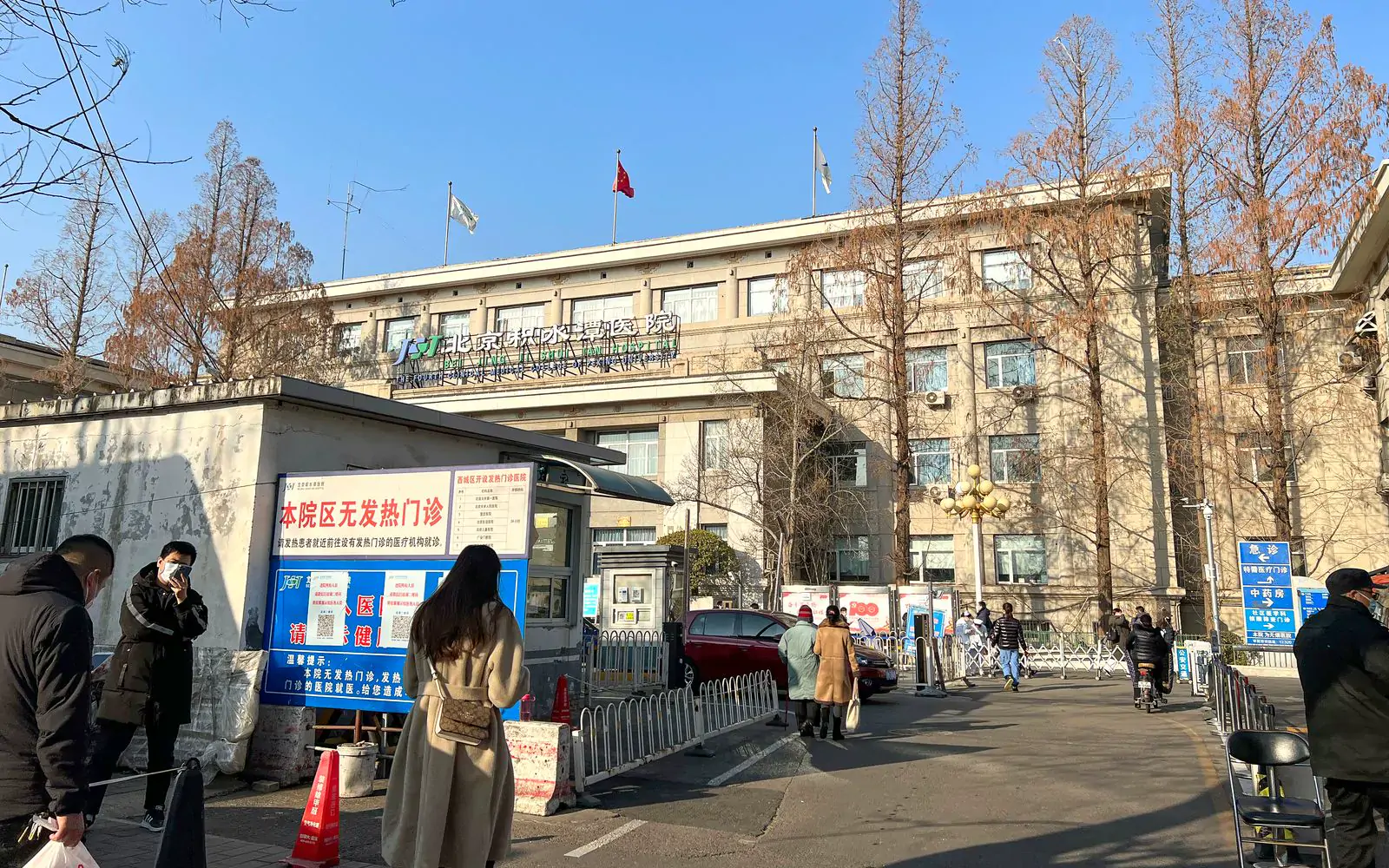
Beijing Jishuitan Hospital
Comprehensive hospitalCore StrengthsOrthopedics (trauma, hand, spine, and joint surgery; nationally leading), Burn care (mass burn incidents)

Third Affiliated Hospital of Southern Medical University
Comprehensive hospitalCore StrengthsOrthopedics, Sports Medicine, Rehabilitation Medicine, Critical Care Medicine
Set the goal for this treatment first
Give the team the original operation notes, implant details, dated images and culture results. Ask whether the main aim is to control infection, restore bone, correct alignment or address several of these together.
Confirm who is responsible between stages
Ask when orthopaedic trauma, infection and reconstructive surgery teams would become involved, and whether your local team can take over care of the wound or external fixation after you return home.
What can SinoCareHub help with?
- Organizing and translating medical records so the hospital understands your questions.
- Contacting relevant departments and doctors based on your diagnosis and treatment goals.
- Coordinating video consultations, appointments, invitation documents and in-person medical interpreting, depending on the services you select.
- Discussing documentation, follow-up and continuity of care after you return home. Confirm what will be provided in writing first.
What does the hospital decide?
- Diagnosis, tests, treatment plans and follow-up requirements.
- Individual risks and recommendations for admission, discharge and return travel.
- Whether the hospital can take your case, the schedule and the hospital’s quote.
Travel and care between stages of bone reconstruction
Ask the receiving team to document each stage’s goal, what needs to happen before the next stage, and where to have check-ups between treatments.
Steps for travel home and handing over care
Confirm travel before going home
Ask the hospital how many visits to plan for, whether to stay near it between stages, and when travel fitness will be reassessed.
Who manages care between stages?
Confirm wound, brace or external fixator care, how much weight you can bear and how often follow-up is needed. Before leaving, contact the local team that can take over.
What records should I prepare for a nonunion reassessment?
Arrange records in order from injury through each operation to the latest review, and note the affected side.
Expand the medical records checklist
- Record your fracture and surgeries in date order
Record the dates of the injury and each operation, when weight-bearing began, and changes in pain, the wound and walking ability. Bring all available images, reports and operation notes.
- Implant and infection records
If available, share implant model details, culture and susceptibility results, and records of treatment for infection with the receiving team.
SinoCareHub service prices
Frequently asked questions
Who should I contact before travelling home with an external fixator?
Check with your surgical team whether you can travel. Then ask a local orthopaedic trauma service whether it can take over care, and provide the fixator model and requirements for the next review.
Can I ask for an initial consultation after several operations if some records are missing?
Start with a timeline of the injury and operations, and send the images and discharge records you have. Ask the original hospital for missing operation notes, implant details or culture results.