
Paediatric orthopaedics and congenital conditions: When should scoliosis, hip dysplasia and clubfoot be assessed?
Assessment of childhood scoliosis, hip dysplasia and clubfoot depends on the child's stage of growth. Learn about bracing, putting the hip back in place and Ponseti casting, and how paediatric orthopaedic teams in China coordinate follow-up.
Free initial inquiryContentsHow are scoliosis, hip dysplasia and clubfoot assessed in children?
- 1.How are scoliosis, hip dysplasia and clubfoot assessed in children?
- 2.When should children return for review if their orthopaedic team recommends observation?
- 3.Hospitals and care coordination
- 4.How do we hand over follow-up after corrective treatment?
- 5.What should families prepare for a cross-border second opinion or in-person assessment?
- 6.SinoCareHub service prices
- 7.Frequently asked questions
- 8.Make an inquiry
- 9.Sources
How are scoliosis, hip dysplasia and clubfoot assessed in children?
Children are still growing, so one examination shows only how things stand at that time. Bring the first record of the condition and all subsequent reviews so the doctor can assess changes.
- My child has scoliosis and we are comparing observation and bracingReview the rate of growth, changes in the curve and the follow-up plan.
- My child has hip dysplasia or clubfootLearn about age-specific assessment, reduction and serial casting.
- We already have cast, brace or operation recordsGather treatment and follow-up records and arrange continued correction.
Scoliosis in children
A specialist assesses the Cobb angle, which measures the curve on a standing spine X-ray, how quickly the curve is changing and skeletal maturity. Bracing is mainly used for some children who are still growing to reduce the risk that the curve will progress. Surgery may be discussed for severe or progressively worsening curves.
Developmental dysplasia of the hip
Different imaging is suitable for infants and older children. A Pavlik harness can keep the hip in the right position for some infants. Persistent dislocation or late detection may require assessment for closed or open reduction and any further corrective treatment.
Clubfoot treatment
The Ponseti method gradually corrects the foot through repeated manual adjustments and a series of casts. Some children also need an Achilles tenotomy, which releases the tendon. A foot abduction brace usually follows correction to maintain the position. Follow-up checks both the fit of the brace and signs of recurrence.
When should children return for review if their orthopaedic team recommends observation?
Ask the doctor to write down the follow-up date, what to monitor and what changes would affect the decision. If you have two different opinions, ask the paediatric orthopaedic team whether they differ on diagnosis, timing or treatment.
Record growth and function
Bring height measurements over time and details of any effect on walking or daily activity. If reports use different measurement methods, ask the doctor whether they can be compared directly.
Check what follow-up involves
Confirm whether the next visit will involve a physical examination, imaging or a brace check. Ask how to contact the local team sooner if there is an obvious change.
How do paediatric orthopaedic teams in China link screening, correction and follow-up?
Observation, bracing and corrective treatment should be planned around the child's age and skeletal maturity. For care across borders, arrange for a team that can keep up with brace adjustments, cast changes and growth reviews.

Children's Hospital of Fudan University
Specialist medical institutionCore StrengthsNeonatology, Pediatric cardiothoracic surgery, Pediatric critical care medicine
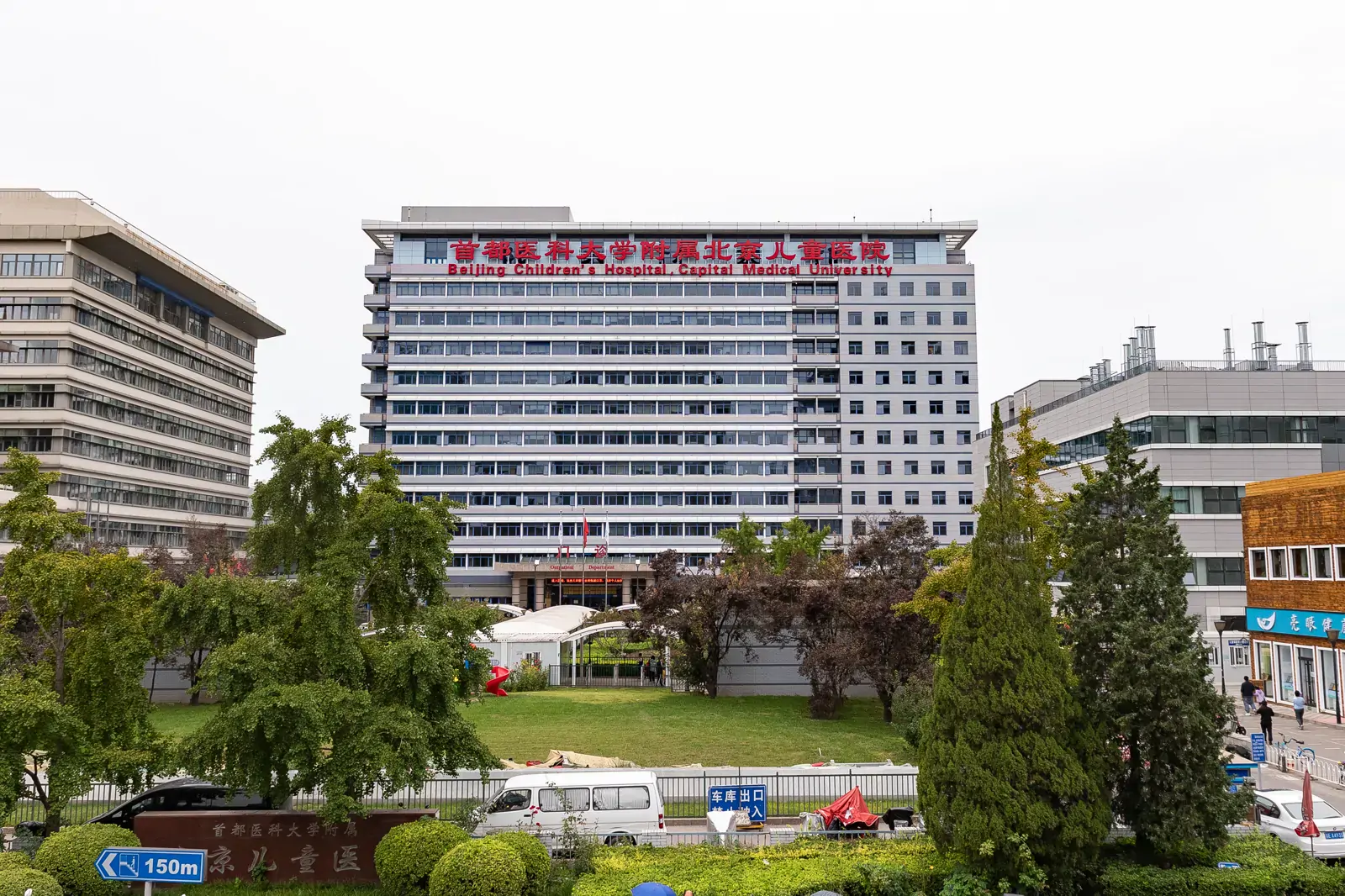
Beijing Children's Hospital, Capital Medical University
Specialist medical institutionCore StrengthsPediatric surgery (congenital malformations), Pediatric hematology (leukemia), Pediatric respiratory medicine, Critical care medicine
Start with an age-specific assessment for scoliosis and hip dysplasia
Arrange your child's age, height changes and images in chronological order. Ask the receiving team to explain why they recommend observation or intervention, what imaging is needed at follow-up, and whether the same method can be used locally.
Arrange ongoing correction for clubfoot first
Serial casts need repeated changes on the team's schedule and a brace must be fitted afterwards. Before arranging cross-border care, ask the hospital and local doctor to agree on who handles each stage, particularly cast changes, brace adjustments and recurrence checks.
What can SinoCareHub help with?
- Organizing and translating medical records so the hospital understands your questions.
- Contacting relevant departments and doctors based on your diagnosis and treatment goals.
- Coordinating video consultations, appointments, invitation documents and in-person medical interpreting, depending on the services you select.
- Discussing documentation, follow-up and continuity of care after you return home. Confirm what will be provided in writing first.
What does the hospital decide?
- Diagnosis, tests, treatment plans and follow-up requirements.
- Individual risks and recommendations for admission, discharge and return travel.
- Whether the hospital can take your case, the schedule and the hospital’s quote.
How do we hand over follow-up after corrective treatment?
Confirm who will handle the next cast, brace or growth check, then plan the return trip with the receiving team’s advice.
Steps for travel home and handing over care
Get the treatment records before returning home
Ask the hospital to record the treatment completed, brace or cast specifications, and the date and purpose of the next review.
Share the plan with the local team
Share previous images, corrective treatment records and the next steps with the local paediatric orthopaedic team. Confirm whether it can follow the existing review or brace adjustment plan.
What should families prepare for a cross-border second opinion or in-person assessment?
Give the receiving team the child's age, when the condition was first noticed, birth or medical history, previous reports and original images. Confirm which questions they can answer remotely and which require an in-person examination.
Expand the medical records checklist
- Gather records of earlier treatment
Prepare brace or cast records, surgery summaries and the latest follow-up plan. State the decision you most want help with now.
- Check practical arrangements for the family
Ask the hospital which documents the guardian needs, what interpreting and accompaniment are required, how many visits are expected and whether brace adjustments or follow-up can continue at home.
SinoCareHub service prices
Frequently asked questions
Should my child bring their current brace to the appointment?
Bring the current brace and the latest adjustment records so the team can check fit and understand the previous plan.
What if we have a report from another hospital but no original images?
Explain what is missing and ask the original imaging provider for the images. The team you plan to see can decide whether the report is useful for an initial review and whether more tests are needed.