
Orthopaedic rehabilitation: How can you get recovery back on track and continue care at home?
Rehabilitation after orthopaedic surgery starts with measuring joint range of motion, strength and gait. The team then chooses exercises and a care setting. Learn about condition-specific orthopaedic rehabilitation, outpatient and inpatient options in China, and handing over care when you return home.
Free initial inquiryContentsWhat are the stages of orthopaedic rehabilitation after surgery, and how is progress assessed?
- 1.What are the stages of orthopaedic rehabilitation after surgery, and how is progress assessed?
- 2.How do outpatient, inpatient and home rehabilitation compare?
- 3.Can acupuncture or tuina massage be part of orthopaedic rehabilitation?
- 4.Hospitals and care coordination
- 5.How can you hand rehabilitation over to your local team before leaving China?
- 6.Which records should I prepare for a rehabilitation assessment?
- 7.SinoCareHub service prices
- 8.Frequently asked questions
- 9.Make an inquiry
- 10.Sources
What are the stages of orthopaedic rehabilitation after surgery, and how is progress assessed?
Before discharge, confirm how much weight you may bear and how to move safely. At home, practise daily activities as planned. Use reassessment to decide whether to make training more demanding. Ask the rehabilitation team to write down the goals for each stage and when reassessment is needed.
- Stiff joints, weak muscles or unsteady walking after surgeryLearn how range of motion, strength and gait are assessed.
- Comparing outpatient, inpatient and home exercisesChoose based on care needs, functional goals and transport.
- Preparing to leave hospital or continue rehabilitation at homeShare weight-bearing, brace and reassessment requirements between both teams.
Rehabilitation assessment and functional goals
A rehabilitation assessment should distinguish pain and swelling from limited joint movement, weakness and gait problems. Bring your operation notes and weight-bearing restrictions so the team can relate its measurements to goals such as standing, walking or climbing stairs.
Joint range of motion and muscle strength
After knee replacement, the rehabilitation team can measure knee straightening and bending angles and quadriceps function. Bending and straightening exercises, progressive resistance and neuromuscular electrical stimulation for some patients address limited movement or inadequate muscle activation.
Gait and balance
Compare walking speed, a timed test of standing up and walking, or stair performance with your initial function. Training may include walking with a walker, weight shifting and balance exercises. Progress must follow the surgical team’s weight-bearing restrictions.
How do outpatient, inpatient and home rehabilitation compare?
Discuss arrangements with the team based on your current mobility, transport, help at home and medical support needs. After primary hip or knee replacement, NICE emphasises personalised rehabilitation advice before discharge.
Compare what inpatient and outpatient care would cover
If you need wound care, help with transfers and intensive training, ask whether inpatient assessment is appropriate. If your main goals are adjusting exercises and improving assisted walking, ask about outpatient assessment, therapist guidance and a written home plan.
Rehabilitation sessions at the hospital
Confirm the session location and frequency, transport and whether someone should accompany you. Ask which records to bring for reassessment.
Continuing exercises at home
Ask the team which exercises you can do yourself, how to adjust them, when to stop and contact a doctor, and how progress will be reassessed.
Can acupuncture or tuina massage be part of orthopaedic rehabilitation?
First confirm the type of pain being treated and whether the approach could help with your current functional goal. The UK’s NICE allows consideration of acupuncture for chronic primary pain in adults under specific conditions. It advises against acupuncture for low back pain with or without sciatica.
Manual therapy for low back pain and restrictions after surgery
Ask your doctor about the cause of your pain and restrictions after surgery. For low back pain, NICE includes manual therapy in a treatment plan that also includes exercise. Check any postoperative arrangements against the surgical team’s restrictions.
Clarify costs and reassessment
Before booking a consultation, confirm the purpose and cost of any optional therapy, who will provide it, when you will be reassessed and whether it would affect your existing exercise plan.
Choosing a team for condition-specific orthopaedic rehabilitation in China
A postoperative reassessment can identify exercise priorities. It can also help determine whether you should return to orthopaedics first to rule out structural problems affecting recovery. Choose a team based on your needs for outpatient sessions, condition-specific rehabilitation and nursing care.
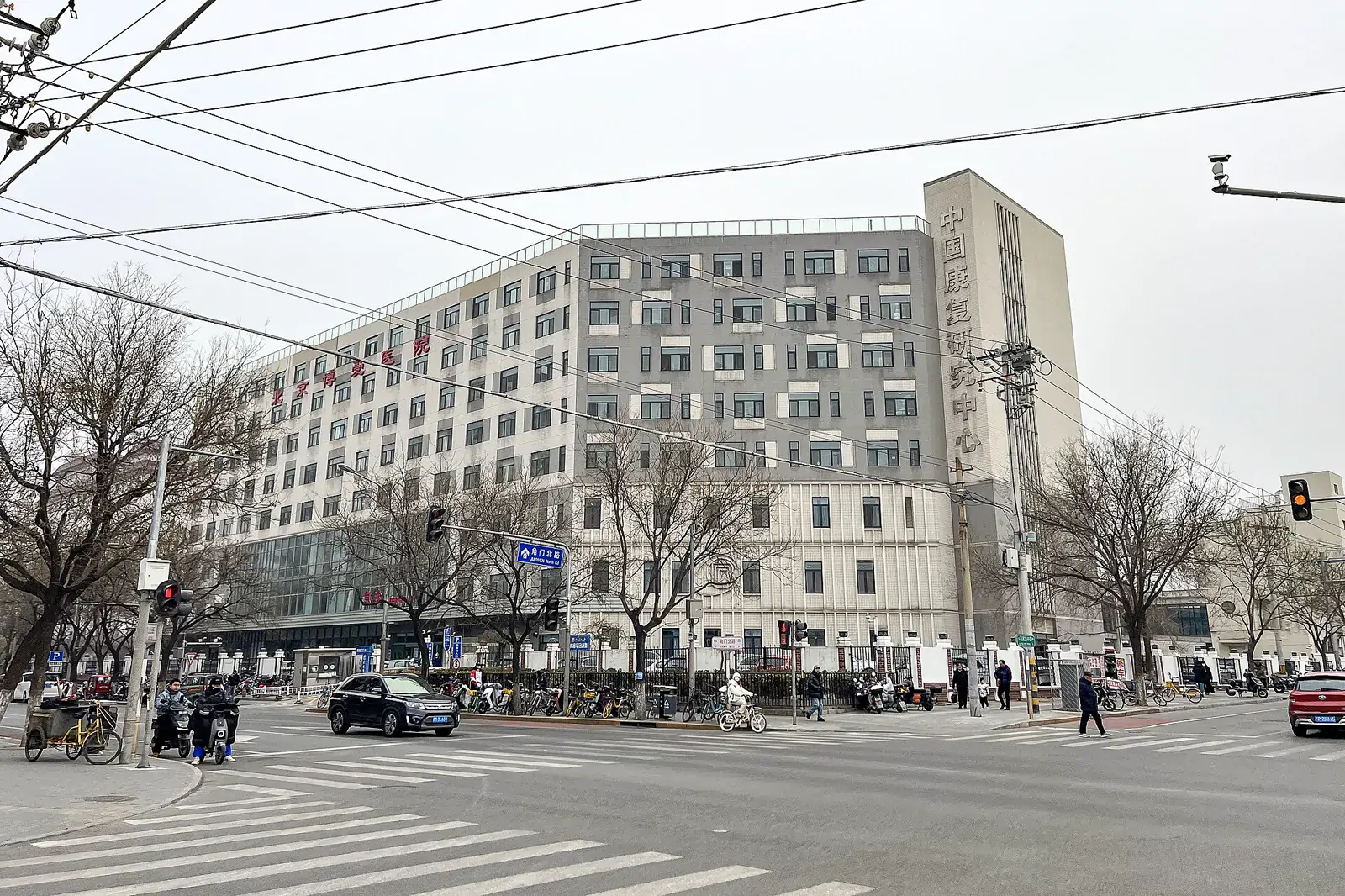
China Rehabilitation Research Center, Beijing Bo'ai Hospital
Specialist medical institutionCore StrengthsNeurological Rehabilitation, Spinal Cord Injury Rehabilitation, Orthopedic Rehabilitation, Pediatric Rehabilitation
Record your current mobility
Provide the operation summary and prior rehabilitation records. Ask the team to document your current range of motion, walking aid and walking ability, along with exercise goals and reassessment measures. This helps compare progress in China and after you return home.
What can SinoCareHub help with?
- Organizing and translating medical records so the hospital understands your questions.
- Contacting relevant departments and doctors based on your diagnosis and treatment goals.
- Coordinating video consultations, appointments, invitation documents and in-person medical interpreting, depending on the services you select.
- Discussing documentation, follow-up and continuity of care after you return home. Confirm what will be provided in writing first.
What does the hospital decide?
- Diagnosis, tests, treatment plans and follow-up requirements.
- Individual risks and recommendations for admission, discharge and return travel.
- Whether the hospital can take your case, the schedule and the hospital’s quote.
How can you hand rehabilitation over to your local team before leaving China?
Before discharge, review a rehabilitation and follow-up plan your local team can read. Confirm which facility will take over when you return home, then agree who will explain the follow-up results.
Steps for travel home and handing over care
Documents for the handover
Prepare your discharge summary, operation notes, implant information if applicable, current function, activity restrictions, exercises completed and the next reassessment date.
Keeping in touch across borders
Ask whether the treating team can receive reports, which channel and language to use, and when to seek medical care locally.
Which records should I prepare for a rehabilitation assessment?
Write down the tasks you find hardest now and the activities you want to return to. Gather your existing records so the team can decide what to focus on at the first assessment.
Expand the medical records checklist
- Surgery and therapy history
Prepare the operative record or discharge summary, current activity restrictions, therapy plan and latest reassessment. Note the dates and the affected area.
- Assistive devices and care
List any braces or walking aids you use, the help you need at home and whether you can access ongoing rehabilitation locally.
SinoCareHub service prices
Frequently asked questions
Who should I ask if my discharge plan differs from the rehabilitation advice I receive at home?
Show your discharge plan and latest reassessment results to your local rehabilitation team. Ask them to identify differences in exercises, weight-bearing or training load. If a difference involves surgical restrictions, ask your local team to check with the surgical team before adjusting the plan.
Can I bring my own brace to a rehabilitation assessment?
Tell the treating team what type of brace you have, where it is used and the original instructions for it. Ask if you should bring the brace and its original prescription or adjustment records to the assessment.