
Hip preservation and joint revision: How are osteonecrosis and pain after replacement assessed?
The extent of collapse helps doctors assess whether core decompression, bone grafting or replacement may be suitable for osteonecrosis of the femoral head. If pain returns after replacement, doctors need to distinguish loosening, infection and instability. Learn how hip preservation and revision specialists in China assess these problems.
Free initial inquiryContentsIs it still possible to consider hip preservation with osteonecrosis of the femoral head?
- 1.Is it still possible to consider hip preservation with osteonecrosis of the femoral head?
- 2.Why investigate the cause when pain returns after joint replacement?
- 3.What should you confirm with the hospital if staged revision is being considered?
- 4.Hospitals and care coordination
- 5.How do I arrange follow-up and travel after hip preservation or revision surgery?
- 6.What should you confirm with the hospital before a hip preservation or revision assessment?
- 7.SinoCareHub service prices
- 8.Frequently asked questions
- 9.Make an inquiry
- 10.Sources
Is it still possible to consider hip preservation with osteonecrosis of the femoral head?
Ask a joint specialist to review your scans over time and explain the size and location of the affected area and whether the femoral head has collapsed. AAOS lists collapse as one factor when weighing hip preservation against replacement. Your doctor assesses which options are feasible.
- Osteonecrosis of the femoral head and a wish to keep your own hipUse MRI and X-rays to distinguish cases with and without collapse.
- Pain, loosening or instability after joint replacementLearn how doctors distinguish loosening, infection and other causes.
- Suspected implant infection with staged revision recommendedUnderstand the different aims of sampling, debridement and reimplantation.
Core decompression and bone grafting
Core decompression involves drilling into the affected part of the femoral head to reduce pressure inside the bone. It can be used in some cases before collapse. Bone grafting may be added in some cases.
Hip preservation or replacement after collapse
If collapse or secondary arthritis develops, compare hip preservation and total hip replacement again, as the expected results differ from those in early disease.
Why investigate the cause when pain returns after joint replacement?
AAOS revision materials list loosening or wear, infection, instability and fractures around the implant. Ask the doctor what might be causing your pain and which tests would help tell the causes apart. If you previously had a hip replacement, ask when further assessment for revision hip replacement is needed.
Find the records from your original joint replacement
Gather your operation notes, discharge summary, implant card and scans over time. If you cannot find the card, ask the original hospital how to get the implant record.
Distinguishing loosening from infection
Doctors can compare implant position and bone loss on X-rays taken over time. If infection around the implant is suspected, blood tests for inflammation, joint fluid testing and cultures can help. Also provide details of previous treatment for infection and the dates samples were taken.
What should you confirm with the hospital if staged revision is being considered?
Surgery for infection around a joint implant depends on the course of the infection, the organism involved, implant stability and the condition of soft tissues. In some cases, surgeons can remove infected tissue and keep the implant. In others, they need to remove it. Two-stage revision usually starts with implant removal, debridement and placement of a temporary spacer. The team then considers infection control and your health when assessing when to reimplant.
Where to receive care between stages
Ask whether you can continue care locally, who will handle follow-up and any problems, and at which stage you need to stay in or near the hospital.
Confirm the criteria for moving to the next stage
Ask which test results the team will review at the next assessment and who will interpret them. Keep the contact details for any problems between treatments.
How do you choose a hip preservation or joint revision team in China?
If the femoral head has not collapsed, a hip preservation team can assess the location of the osteonecrosis and how much of the weight-bearing area is affected. If pain returns after replacement, see a revision team to first distinguish loosening, infection and instability.

Shanghai Sixth People's Hospital, Shanghai Jiao Tong University School of Medicine
Comprehensive hospitalCore StrengthsOrthopedics (trauma and replantation of amputated limbs), Endocrinology and metabolism (diabetic foot), Otolaryngology
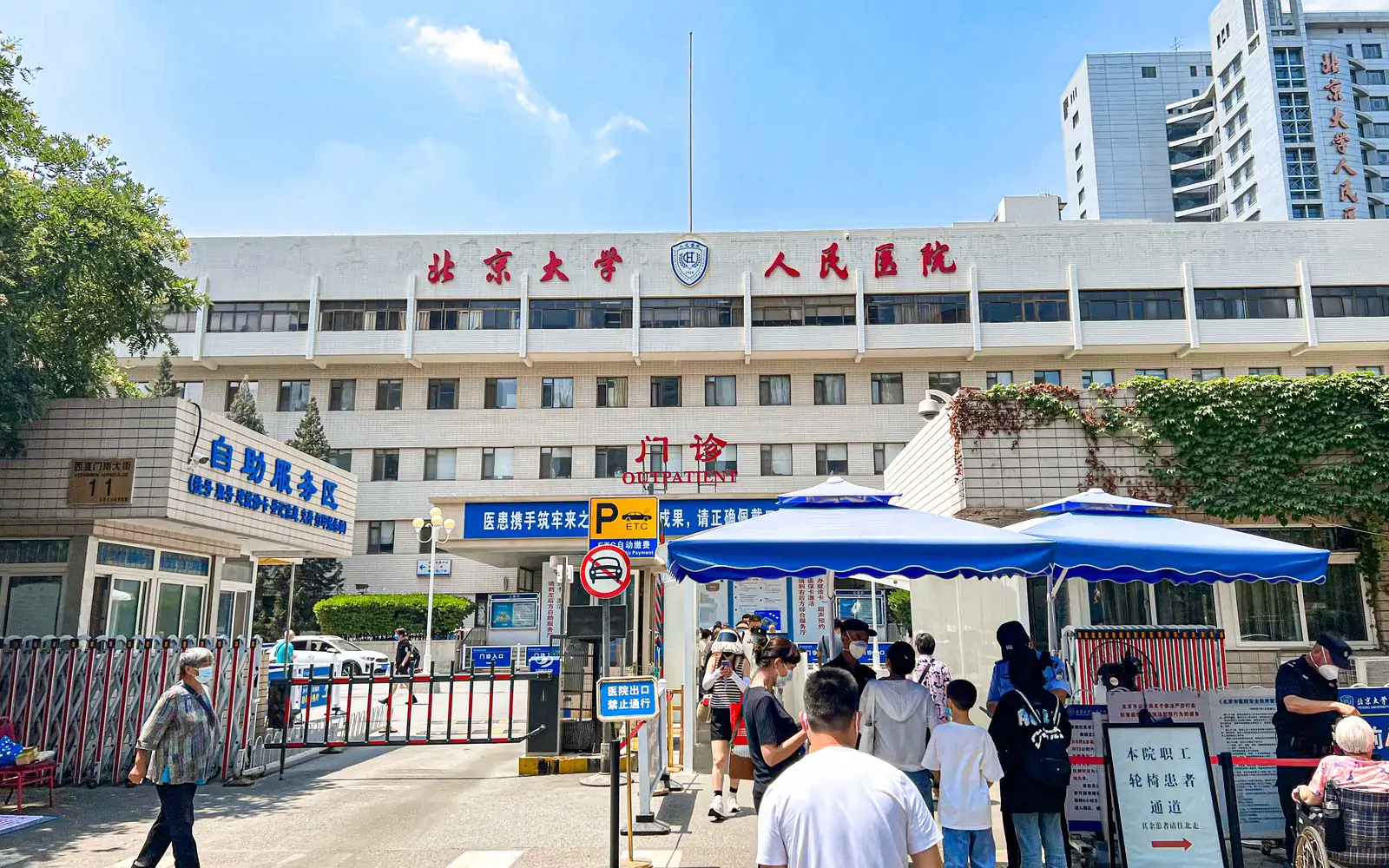
Peking University People's Hospital
Comprehensive hospitalCore StrengthsHematology (leukemia and bone marrow transplantation), Orthopedics (trauma and spine), Obstetrics and gynecology, Rheumatology and immunology
Ask the hip preservation team to document the disease stage
Ask the treating team to use X-rays and MRI to document whether the femoral head has collapsed, how much bone is affected and which procedure it proposes. When comparing hip preservation techniques, factor in postoperative weight-bearing restrictions and follow-up imaging.
Ask for a backup plan for complex revision
If there is substantial bone loss or suspected infection, ask how the hospital would arrange joint fluid or surgical sampling, cultures and an infection consultation. Ask whether the planned revision components can address bone loss found during surgery.
What can SinoCareHub help with?
- Organizing and translating medical records so the hospital understands your questions.
- Contacting relevant departments and doctors based on your diagnosis and treatment goals.
- Coordinating video consultations, appointments, invitation documents and in-person medical interpreting, depending on the services you select.
- Discussing documentation, follow-up and continuity of care after you return home. Confirm what will be provided in writing first.
What does the hospital decide?
- Diagnosis, tests, treatment plans and follow-up requirements.
- Individual risks and recommendations for admission, discharge and return travel.
- Whether the hospital can take your case, the schedule and the hospital’s quote.
How do I arrange follow-up and travel after hip preservation or revision surgery?
Before leaving the hospital, ask the team to write down activity and weight-bearing restrictions, follow-up tests and travel arrangements. For staged revision, confirm who will provide care between stages.
Steps for travel home and handing over care
Check your plan before discharge
Obtain the operative and implant records if applicable. Confirm wound checks, walking aids and how much weight you may put on the leg.
Continue care after returning home
Give your local team the discharge plan and follow-up imaging requirements. If further revision is needed, confirm who will review the results and decide on the next stage.
What should you confirm with the hospital before a hip preservation or revision assessment?
Share your treatment goals and existing records with the department that may see you. Confirm whether you need additional information or an in-person visit and whether local follow-up or treatment can fit the hospital’s plan.
Expand the medical records checklist
- Gather your scans over time
Collect X-rays, MRI scans and reports. Note the dates, affected side, changes in pain and prior treatment.
- Tell the team what has changed
Describe when the pain worsened, which activities are limited and any recent tests. If you have a wound problem or suspect an infection, contact a local medical team promptly for assessment.
- Check the written arrangements
Ask the hospital to specify the assessment date, when the plan applies, what costs it includes, follow-up arrangements and how to contact the team if you move to another stage.
SinoCareHub service prices
Frequently asked questions
Can I have an initial assessment without my joint implant card?
Explain what is missing and provide the surgery date, affected side, hospital, discharge notes and any scans. Ask the original hospital for the implant record. The treating team can confirm whether more information is needed.
How do I share infection sampling results from another hospital?
Ask the original hospital for the sampling site and date, culture results and any available antimicrobial susceptibility report. Attach records of previous treatment for infection. Ask the revision team whether the results can inform this assessment or whether new samples are needed.