
Soft-tissue overuse and outpatient injections: When should you seek assessment?
First establish the cause of tennis elbow, plantar fasciitis or other chronic musculoskeletal pain. Compare loading exercises, shockwave therapy and ultrasound-guided injections, and learn about outpatient assessment and follow-up in China.
Free initial inquiryContentsWhy find out what is causing pain that keeps coming back?
- 1.Why find out what is causing pain that keeps coming back?
- 2.What can rehabilitation, shockwave therapy and ultrasound guidance address?
- 3.How does the evidence differ for corticosteroid and PRP injections?
- 4.Hospitals and care coordination
- 5.How do I review progress and continue exercise after outpatient treatment?
- 6.What should I prepare for a soft tissue overuse appointment?
- 7.SinoCareHub service prices
- 8.Frequently asked questions
- 9.Make an inquiry
- 10.Sources
Why find out what is causing pain that keeps coming back?
Pain in the same area can come from different tissues. Even if an old report says tendinitis, ask the doctor whether it explains your symptoms now. Describe which movements trigger pain, changes in function, how long it has lasted and what previous treatment achieved.
- Elbow or heel pain after repeated gripping or runningStart with load management, exercises and reassessment of function.
- A pain-relieving injection or PRP has been recommendedCheck the proposed treatment site, short-term pain relief and risks.
- I want to compare shockwave therapy with ultrasound-guided musculoskeletal proceduresReview the clinics' published services and how the procedures differ in practice.
Shoulder or elbow pain
Explain where it hurts when you raise your arm, straighten your elbow, grip or perform repetitive work. Ask the doctor to assess any numbness, noticeable weakness or new symptoms after an injury as well.
Heel or wrist symptoms
If plantar fasciitis is suspected, record whether heel pain relates to your first steps, standing for long periods or how much you run. If your fingers are numb, note which fingers, when it happens and whether your grip has changed. This helps determine whether a hand surgery assessment is needed.
What can rehabilitation, shockwave therapy and ultrasound guidance address?
First confirm the diagnosis and treatment goal with the doctor. For tennis elbow, AAOS lists activity changes, exercises and other non-surgical care as options. It also notes mixed findings from studies of shockwave therapy.
Managing load with tennis elbow
Adjust repetitive gripping and wrist extension loads. A therapist can plan progressive exercises for the forearm muscles. When discussing shockwave therapy, consider whether prior treatment was adequate and that studies for this condition have reported different results.
Non-surgical care for plantar fasciitis
Options to assess include plantar fascia and calf stretches, footwear and supports, and changes in training volume. If symptoms persist, reassess for other causes or discuss shockwave therapy. First-step pain in the morning and walking tolerance can help assess progress.
What ultrasound guidance does
Ultrasound can help locate a tendon, tendon sheath, bursa or joint. Whether an injection is suitable and how long any benefit might last depend on the diagnosis, medicine and site.
How does the evidence differ for corticosteroid and PRP injections?
The evidence depends on the diagnosis and site. For osteoarthritis, NICE lists intra-articular corticosteroid injections as an option for short-term relief in some circumstances. AAOS gives platelet-rich plasma (PRP) for symptomatic knee osteoarthritis a limited-strength recommendation.
Distinguish short-term pain relief from recovery
Evidence for medicines injected into the joint for knee osteoarthritis cannot be applied directly to tendon conditions. AAOS warns that steroid injections near the plantar fascia carry a risk of weakening or rupture. At follow-up, also check whether weight-bearing, grip or other functions have improved.
Injection records and local follow-up
If you decide to have a procedure, ask the hospital to record the diagnosis, site, medicine or material used, and follow-up plan. Check whether you need a local review and who to contact if a problem arises.
Comparing musculoskeletal rehabilitation and outpatient procedures in China
Match the diagnosis with rehabilitation, shockwave therapy or an ultrasound-guided musculoskeletal procedure. Ask who identifies the pain source, who performs the procedure and whether the review measures pain or specific functions.
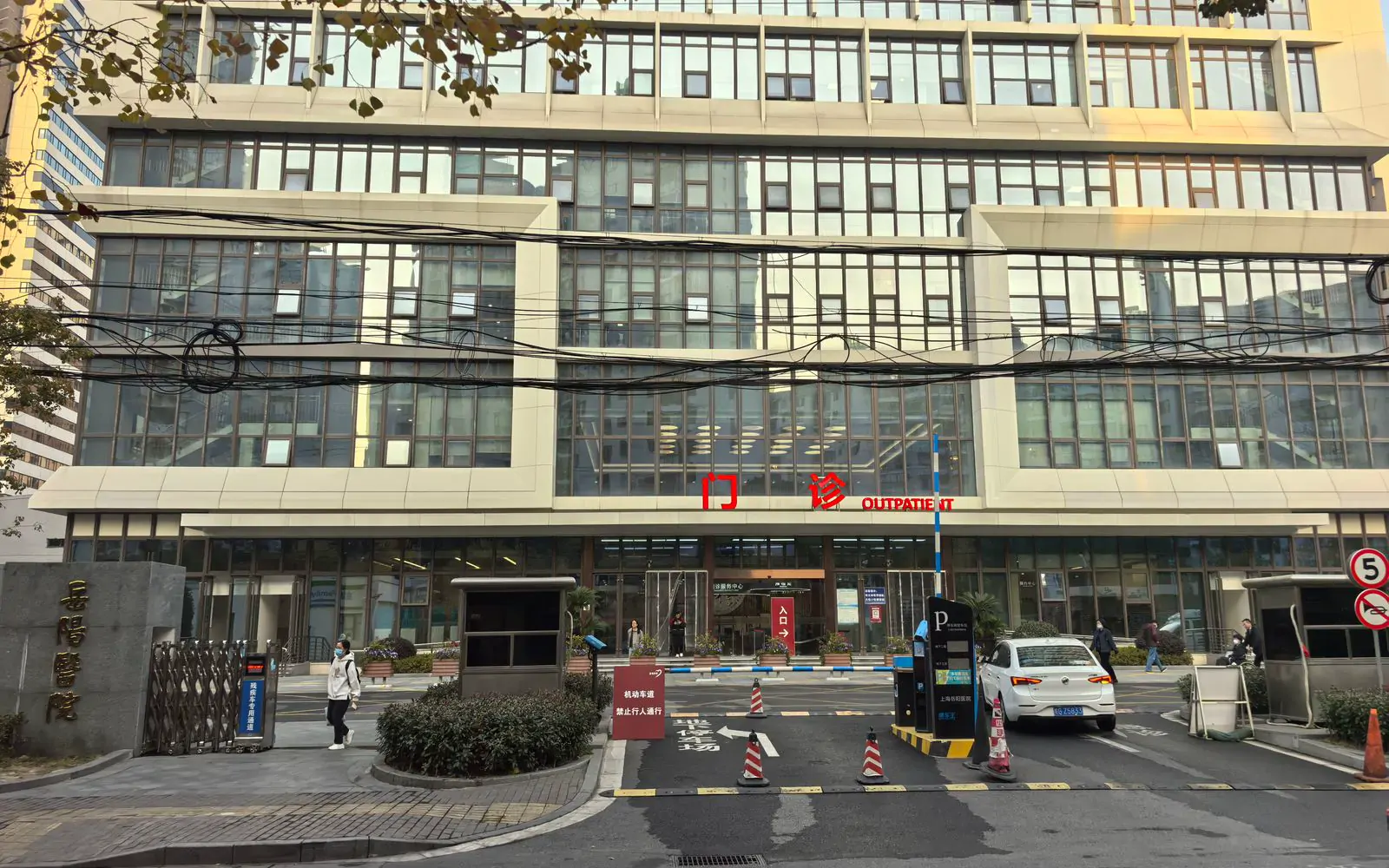
Core StrengthsIntegrative medicine Tuina therapy, Acupuncture, Traditional Chinese medicine dermatology, Rehabilitation medicine
Clarify the target and how progress will be measured
If musculoskeletal ultrasound or a procedure is recommended, ask which tendon, tendon sheath or joint will be assessed or treated. Ask the clinic to record baseline function and follow-up measures, then use the same measures to assess results.
Check the assessment, procedure and rehabilitation separately
Check the physical examination and imaging, procedure, medicines or consumables, and later exercises and reassessment separately. For a short stay, prioritise the first assessment and a plan for care after leaving China.
What can SinoCareHub help with?
- Organizing and translating medical records so the hospital understands your questions.
- Contacting relevant departments and doctors based on your diagnosis and treatment goals.
- Coordinating video consultations, appointments, invitation documents and in-person medical interpreting, depending on the services you select.
- Discussing documentation, follow-up and continuity of care after you return home. Confirm what will be provided in writing first.
What does the hospital decide?
- Diagnosis, tests, treatment plans and follow-up requirements.
- Individual risks and recommendations for admission, discharge and return travel.
- Whether the hospital can take your case, the schedule and the hospital’s quote.
How do I review progress and continue exercise after outpatient treatment?
Before leaving, ask the team to record the reassessment date, activity restrictions and which changes in pain or function to track.
Steps for travel home and handing over care
Get a written summary before discharge
If you have an injection, get a record of its date, site and medication or materials, and ask whom to contact if unexpected symptoms occur.
Share the plan with the local team
Give the records and exercise plan to your local doctor or therapist. Ask them to assess changes in pain and function using the same measures as at the first visit.
What should I prepare for a soft tissue overuse appointment?
Share your symptoms and previous treatment with the clinic first. Ask which checks are needed and whether to wait for the results before scheduling a procedure.
Expand the medical records checklist
- Prepare your previous records
Provide the location and triggers of pain and any existing images. Bring records of past injections or other treatments, how long any benefit lasted, current medicines and allergies.
SinoCareHub service prices
Frequently asked questions
Can I book an assessment first and decide about an injection after the visit?
Ask the hospital whether an assessment can be booked on its own. Have the doctor explain the diagnosis, options and risks before deciding on the next step.
Can I have another injection after already having one for pain relief?
Bring the date, site, medicine used and result of the last injection. The doctor can weigh the current diagnosis and your individual risks. A single rule on the number of injections does not apply to every site or treatment plan.