

Jiagang Han
Chief Physician · Professor and doctoral supervisor
Beijing
Chief physician in Gastrointestinal Surgery at the General Surgery Center of Beijing Chaoyang Hospital, Capital Medical University, and professor and doctoral supervisor. His clinical work includes minimally invasive and standardized care for gastric and colorectal cancers, minimally invasive bariatric and metabolic surgery for diabetes and obesity, and minimally invasive surgery for gastroesophageal reflux disease. He was a visiting scholar at MD Anderson Cancer Center in the United States.
Beijing Chaoyang Hospital, Capital Medical UniversityGastrointestinal Surgery
Clinical focus Minimally invasive surgery for gastrointestinal tumors · Sphincter-preserving surgery for colorectal cancer · Bariatric surgery · Bariatric and metabolic surgery
About the doctor
Dr Jiagang Han is a chief physician in Gastrointestinal Surgery at the General Surgery Center of Beijing Chaoyang Hospital, Capital Medical University. He is a professor and doctoral supervisor. His clinical work includes minimally invasive and standardized treatment for gastric and colorectal cancers, minimally invasive bariatric and metabolic surgery for obesity and diabetes, and minimally invasive surgery for gastroesophageal reflux disease (GERD). He was a visiting scholar at MD Anderson Cancer Center, where he studied multidisciplinary treatment for gastrointestinal cancers. He also trained in colorectal and metabolic surgery at Karolinska Institutet and Cleveland Clinic. He serves on the colorectal surgery groups of the Chinese Medical Association’s Surgery and Oncology branches and has led projects funded by the National Natural Science Foundation of China and other programs. His awards include first prize in the Chinese Young Surgeons Scholar Award and third prize in the Beijing Science and Technology Progress Award.
Clinical areas
Assessment for minimally invasive and multimodal treatment of gastric or colorectal cancer
Treatment for gastrointestinal tumors depends on the stage and location of the tumor and your overall health. Bring your pathology report, contrast-enhanced CT or MRI, colonoscopy report and previous treatment records. The doctor will assess the extent of the tumor and discuss when options such as minimally invasive surgery, preoperative radiotherapy and chemotherapy, targeted therapy or immunotherapy may be appropriate. The treating team will determine the plan after assessment.
Assessment for sphincter preservation in low rectal cancer
Whether the anal sphincter can be preserved in low rectal cancer depends on the tumor’s distance from the anal verge, its stage and sphincter function. Bring records of any digital rectal examination, pelvic MRI and colonoscopy. The doctor will assess the conditions and risks for sphincter-preserving surgery and discuss whether techniques for very low tumors, such as intersphincteric resection, may be appropriate. The treating team will determine the procedure after assessment.
Assessment for bariatric and metabolic surgery in obesity or diabetes
Bariatric and metabolic surgery has specific indications. Bring your height, weight and body mass index (BMI) records, blood glucose and metabolic test results, a list of coexisting conditions and records of past attempts to lose weight. The doctor will assess the indications and discuss the benefits and risks of procedures such as sleeve gastrectomy. A multidisciplinary assessment is needed to determine whether to operate.
Assessment for minimally invasive surgery when long-term medication provides insufficient relief from GERD
Minimally invasive surgery for gastroesophageal reflux requires careful assessment of the indications. Bring your upper endoscopy report, esophageal pH monitoring or manometry results and medication records. The doctor will assess esophageal function and reflux severity and discuss when antireflux surgery may be appropriate. The treating team will determine the plan after assessment.
Assessment and treatment of benign anorectal conditions, such as hemorrhoids, fistulas and fissures
Treatment for benign anorectal disease depends on the type and severity of the condition. At your visit, describe symptoms such as rectal bleeding, pain or discharge. The doctor will assess the condition and discuss conservative and surgical options. Seek care promptly if symptoms continue to worsen.
Patient stories
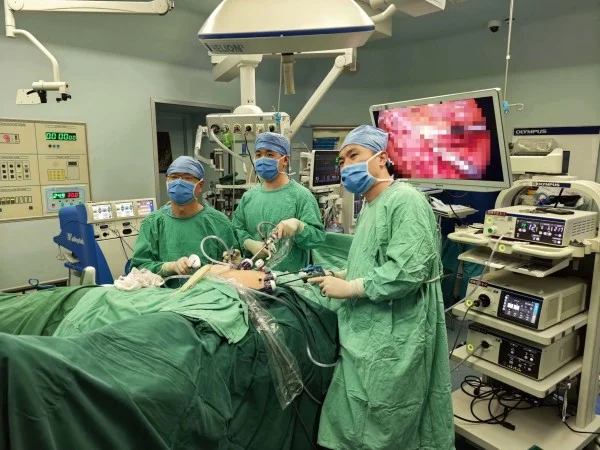
Looking ahead to 100 with expert care | Beijing Chao-Yang Hospital successfully performs complex minimally invasive colorectal cancer surgery on a 96-year-old retired employee
China · Beijing
Read the full story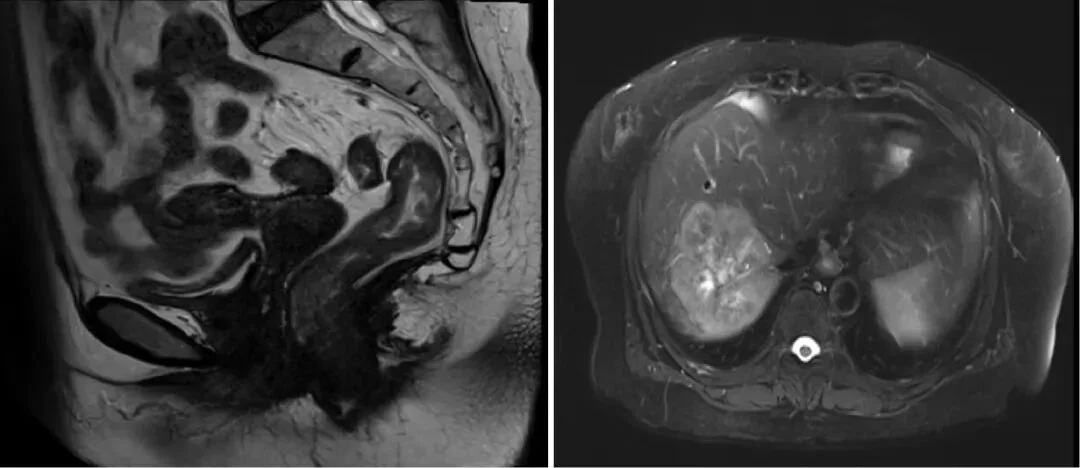
Multidisciplinary collaboration at the General Surgery Center | Gastrointestinal Surgery successfully performs simultaneous curative resection for rectal cancer with liver metastasis
China · Beijing
Read the full storyProfessional highlights
- 01Chief physician in Gastrointestinal Surgery at the General Surgery Center of Beijing Chaoyang Hospital, professor and doctoral supervisor
- 02Minimally invasive and standardized treatment for gastrointestinal tumors, bariatric and metabolic surgery, and minimally invasive surgery for gastroesophageal reflux
- 03Visiting scholar at MD Anderson Cancer Center in the United States, with training at Karolinska Institutet in Sweden and Cleveland Clinic in the United States
- 04Member of the colorectal surgery group of the Surgery Branch of the Chinese Medical Association
- 05Led projects funded by the National Natural Science Foundation of China and other programs. First prize in the Chinese Young Surgeons Scholar Award and third prize in the Beijing Science and Technology Progress Award
Professional experience
2017
Third prize, Beijing Science and Technology Progress Award
2013
Third prize, Huaxia Medical Science and Technology Award. Training at Cleveland Clinic in the United States in minimally invasive surgery for diabetes and obesity
2012-2013
Training at MD Anderson Cancer Center in the United States in multimodal treatment for gastrointestinal tumors
2012
First prize, Chinese Young Surgeons Scholar Award. Training at Karolinska Institutet in Sweden in rectal cancer surgery
2009
Training at Karolinska Institutet in Sweden in rectal cancer surgery
2008-2019
Recognized as an outstanding teacher at Capital Medical University in 2008, 2010, 2014, 2016, 2018 and 2019
2004
Joined Beijing Chaoyang Hospital, Capital Medical University
Member of the colorectal surgery groups of the Surgery and Oncology branches of the Chinese Medical Association
Member of the Surgery Branch and Gastrointestinal Surgery Group of the Beijing Medical Association
Deputy chair of the committee on advanced sphincter preservation, Anorectal Physicians Branch of the Chinese Medical Doctor Association
Editorial board member of the Chinese Journal of Gastrointestinal Surgery and Chinese Journal of Colorectal Diseases (Electronic Edition), and corresponding editorial board member of the Chinese Journal of Surgery and Chinese Journal of Experimental Surgery
Led projects funded by the National Natural Science Foundation of China, the Capital Health Development Research Program and the Beijing Outstanding Talent Support Program
Clinical and basic research on colorectal tumors, benign anorectal disease and bariatric and metabolic conditions. Published more than 100 articles in journals including Annals of Surgery
Hospital and department
Beijing Chaoyang Hospital, affiliated with Capital Medical University, was founded in 1958. It is a Beijing municipal Grade III Class A hospital that provides clinical care, teaching, research and preventive services. It is home to the university’s Third Clinical Medical College and the Beijing Institute of Respiratory Medicine. The hospital has a main campus and campuses in Shijingshan and Changying, according to its official overview.
The Gastrointestinal Surgery Department, formerly General Surgery, was established in 1960. Its official profile lists 79 beds and identifies the department as one of Beijing’s first standardized residency training bases and a training center for entry into general surgery specialty practice. Hospital reports describe laparoscopic sleeve gastrectomy and other bariatric and metabolic procedures performed by the Gastrointestinal Surgery Department at the General Surgery Center.
Before you seek care
Records to prepare
For gastrointestinal tumors, bring your pathology report, contrast-enhanced CT or MRI, colonoscopy report and previous treatment records. For assessment for bariatric and metabolic surgery, prepare your BMI records, blood glucose and metabolic test results, and a list of coexisting conditions. For gastroesophageal reflux, bring your upper endoscopy report and any esophageal pH monitoring or manometry results. Confirm the specific requirements with the hospital.
Appointment arrangements
Before your visit, use the hospital’s official channels to confirm appointment availability, campus, language support and required documents.
- Seek immediate care at the nearest emergency department for emergencies such as major gastrointestinal bleeding, bowel obstruction with severe abdominal pain, or a high fever with signs of peritonitis.
- Surgery for gastrointestinal tumors and bariatric or metabolic surgery have specific indications. An in-person consultation and imaging, pathology or metabolic assessment are needed to determine suitability. This page cannot determine whether surgery is appropriate for an individual or replace the treating team’s in-person assessment.
- Before your visit, use the hospital’s official channels to confirm appointment availability, campus, language support and required documents.