Compiled from public reports
Life-threatening hemoptysis: from bedside resuscitation to emergency surgery
An adult with severe left lung damage after tuberculosis began coughing up a large amount of blood on the day of a planned operation. Bleeding persisted after bedside resuscitation, so the team reassessed the patient and proceeded with emergency surgery.
Compiled by SinoCareHub · Information checked: 2026-11-07
On this page
- 1.Patient overview
- 2.The patient suddenly began coughing up a large amount of blood in the ward on the day of planned surgery
- 3.Consciousness began to improve the day after resuscitation, but bleeding continued
- 4.The multidisciplinary team decided to remove the left lung in an emergency operation
- 5.After ventilator support ended, the patient moved to a general ward
Patient overview
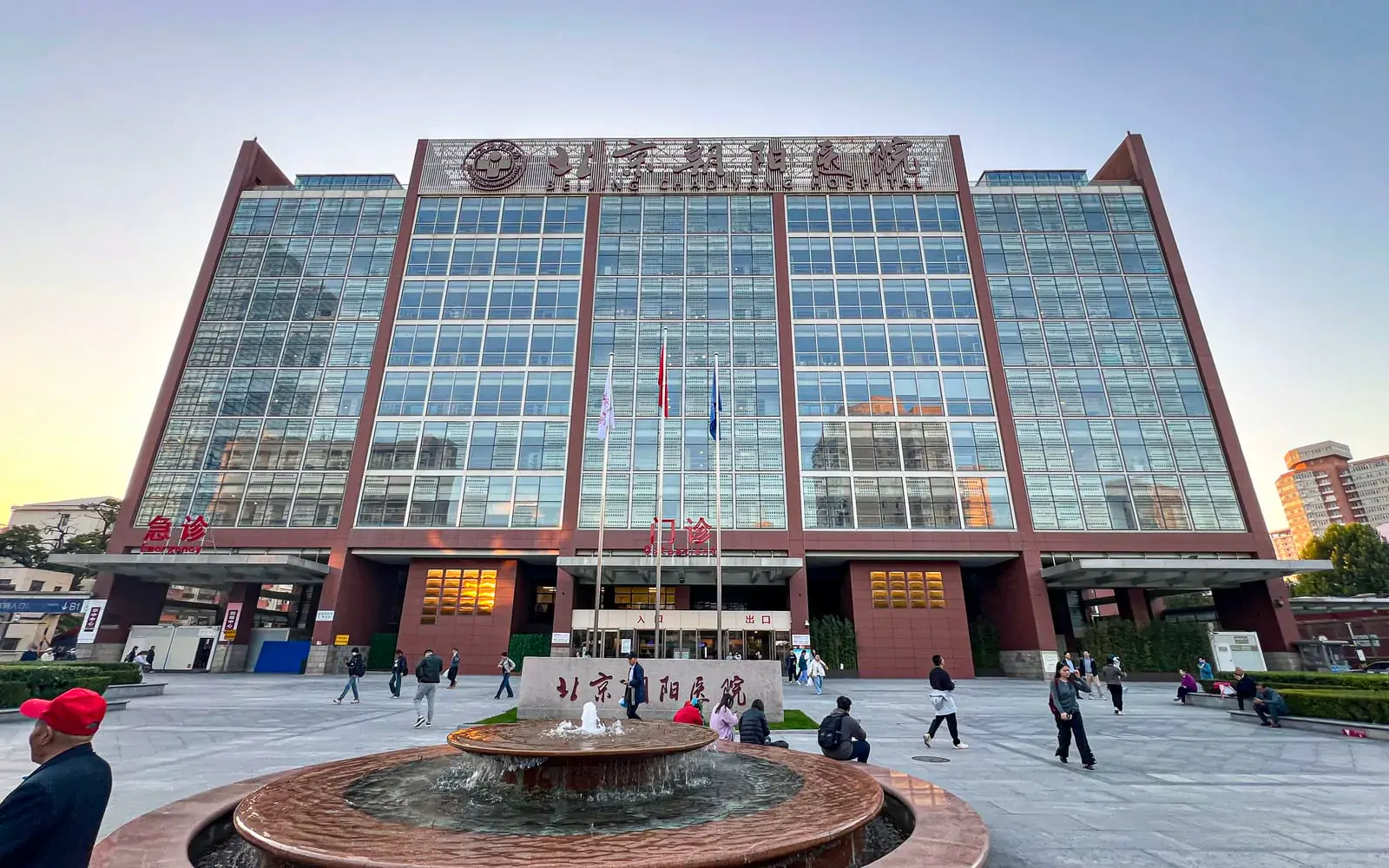
An adult patient · China · Beijing Chaoyang Hospital · Bedside resuscitation, intensive care and emergency surgery for major hemoptysis
- Treatment in China:
- Bedside resuscitation, intensive care and emergency open surgery to remove the entire left lung
- Outcome at the reported stage:
- The patient came off the ventilator, moved to a general ward and left hospital with stable vital signs.
The patient suddenly began coughing up a large amount of blood in the ward on the day of planned surgery
The patient had been admitted to thoracic surgery at Beijing Chaoyang Hospital with severe left lung damage and repeated episodes of coughing up blood, known as hemoptysis. The plan was to remove the left lung. On the day of planned surgery, blood entered the right-sided airways, which supported most of the patient’s breathing. The patient was unable to breathe and lost consciousness.
Zhao Yan and head nurse Jia Jinrui led the bedside response, clearing the airway and placing a breathing tube. During intubation the patient went into cardiac arrest. The thoracic team started chest compressions and the anesthesia team helped adjust the tube. After the patient regained a spontaneous heartbeat, the team transferred the patient to intensive care.
Consciousness began to improve the day after resuscitation, but bleeding continued
Cui Na’s intensive care team arranged a CT scan. The team took steps to protect brain function, treat infection and manage blood clotting in view of the risks of low oxygen, infection and rebleeding.
The day after resuscitation, the pupils were gradually returning to normal, and limb strength and alertness had improved. However, bronchoscopy showed continued bleeding from the left bronchus, with blood tending to spread toward the right-sided airways.
The multidisciplinary team decided to remove the left lung in an emergency operation
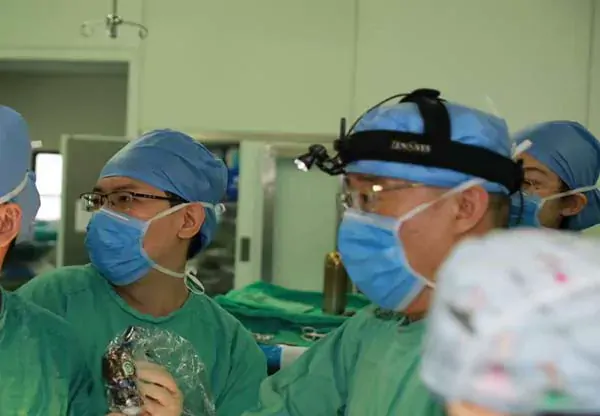
After Zhao Yan updated Hu Bin and Li Tong, the team reviewed the case again and decided to proceed with emergency surgery as the patient was regaining consciousness. Long-standing infection had left extensive adhesions in the left chest, making the lung tissue, the lining around it and major vessels difficult to separate. The bleeding had also caused marked anemia. The hospital recorded a hemoglobin level of 60 g/L on arrival in the operating room. Hu Bin led Zhao Yan’s team in open surgery to remove the entire left lung. The operation took about four hours, with about 2,000 mL of blood loss.
After ventilator support ended, the patient moved to a general ward
The intensive care team continued to monitor the patient after surgery. The patient was later taken off the ventilator, the breathing tube was removed and recovery continued on a general ward. The hospital recorded stable vital signs at discharge. The report gave no post-discharge results for lung or neurological function.
Plan care in China
Ask about medical records and contacting hospitals.