Compiled from public reports
Esophageal cancer and severe coronary disease: how a team planned two operations
Doctors found severe coronary disease while preparing an adult for esophageal cancer surgery. At Beijing Chaoyang Hospital’s Changying campus, the team arranged coronary bypass surgery first and reassessed the cancer operation once the patient’s heart condition had stabilized.
Compiled by SinoCareHub · Information checked: 2026-11-07
On this page
- 1.Patient overview
- 2.Difficulty eating prompted a visit, and the preoperative assessment found a heart risk
- 3.A second multidisciplinary assessment about two months after bypass surgery
- 4.The team monitored circulation during esophageal surgery
- 5.The patient met the discharge criteria about a week later
Patient overview
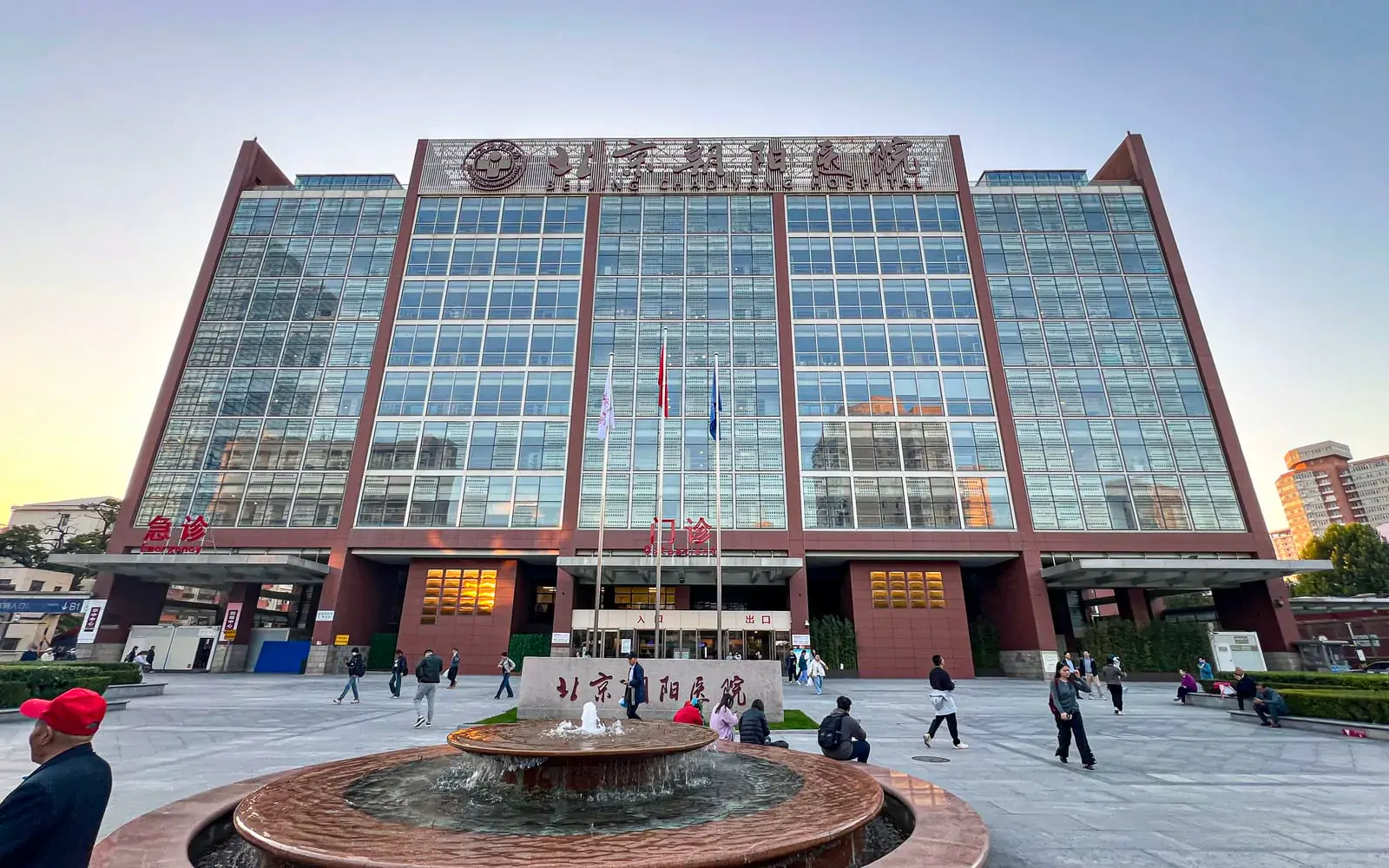
An adult patient · China · Beijing Chaoyang Hospital, Changying campus · Staged coronary bypass and esophageal cancer surgery
- Treatment in China:
- Coronary bypass followed by robot-assisted esophageal cancer surgery
- Outcome at the reported stage:
- The patient met the discharge criteria about one week after esophageal surgery and went home.
Difficulty eating prompted a visit, and the preoperative assessment found a heart risk
The patient sought care at Beijing Chaoyang Hospital’s Changying campus because of difficulty eating. An upper gastrointestinal endoscopy showed a lesion in the middle-to-lower esophagus, and a pathology examination confirmed esophageal squamous cell carcinoma. As doctors prepared for further treatment, they also found severe narrowing in several coronary arteries.
Thoracic surgery, cardiac surgery, cardiology, oncology and anesthesiology reviewed the case together. The narrowing raised the risk of a heart attack. The team decided that cardiac surgeons would perform coronary artery bypass surgery first to improve blood flow to the heart muscle, then plan cancer surgery based on recovery.
A second multidisciplinary assessment about two months after bypass surgery
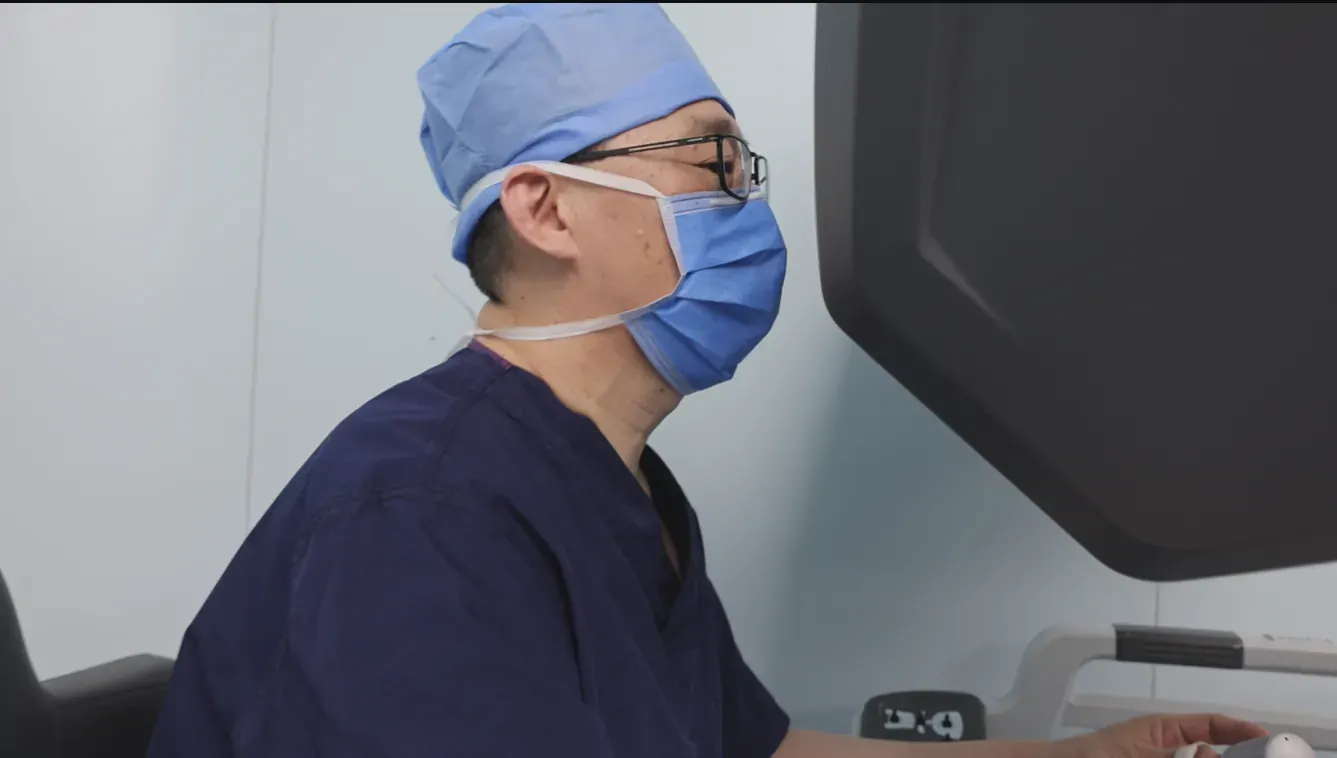
According to the hospital, the patient recovered well after bypass surgery while the thoracic team monitored the timing of cancer treatment. About two months later, the team reviewed the case again and concluded that the esophageal cancer should be treated promptly. The patient was still recovering from heart surgery. After discussion, the thoracic team judged that the robot’s three-dimensional view and instruments could help them work in the confined space between the lungs. They chose combined robot-assisted thoracoscopy and laparoscopy, using cameras to operate through the chest and abdomen. The cardiac surgery, anesthesiology and intensive care teams agreed with the plan.
The team monitored circulation during esophageal surgery
The hospital identified Hu Bin, Miao Jingbai and Zhao Yan as co-lead surgeons and Hou Shengcai as an adviser. The anesthesia team monitored blood pressure and other measures of circulation, taking the previous bypass into account. After surgery, the critical care team planned to withdraw ventilator support gradually, adjust intravenous fluids and begin early nutrition through the digestive tract.
The patient met the discharge criteria about a week later
During recovery, the thoracic care team continued pain management, breathing exercises and nutritional support. The hospital reported that the patient met discharge criteria about one week after esophageal surgery and subsequently left hospital. The report gave no details of cancer or heart follow-up after discharge.
Plan care in China
Ask about medical records and contacting hospitals.