Complex and rare disease care directions
The hospital publicly lists rare disease medicine and complex-care directions.
Why this may help:Confirm whether your condition and disease stage are accepted, and what records are required before you travel.

(PUMCH)
Publicly listed care directions for complex, rare, and multidisciplinary conditions
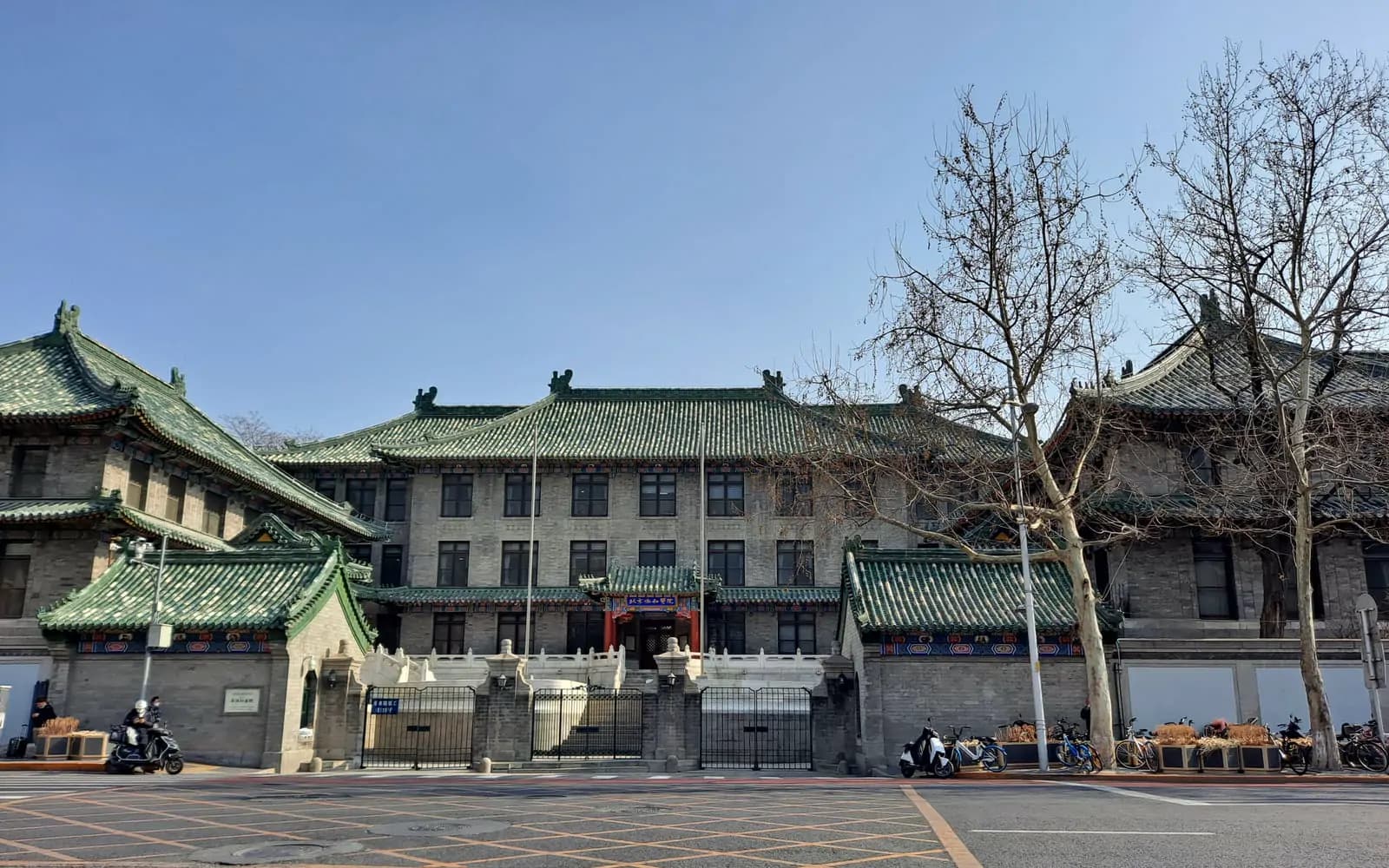
Peking Union Medical College Hospital publicly describes itself as a modern tertiary general hospital integrating clinical care, education, and research, with publicly listed international medical services.
Why this may help:If your condition is unclear or involves more than one specialty, prepare your complete records and key questions before confirming the appropriate route with the hospital.
Sources:Hospital overviewInternational Patient ServicesPUMCH International Medical ServicesDepartment directorySpecialty services and multidisciplinary clinics
Share your condition, available tests, and the questions you want to resolve. We can help you identify a suitable department, campus, records to prepare, and practical next steps for coordination.
The hospital publicly lists rare disease medicine and complex-care directions.
Why this may help:Confirm whether your condition and disease stage are accepted, and what records are required before you travel.
The hospital publicly lists multidisciplinary consultations and joint clinics for selected conditions.
Why this may help:If your records cover multiple organ systems, ask which specialty should be contacted first and whether any records need to be added.
Public information lists rare disease medicine and complex-care directions. Confirm the accepted disease scope and record requirements first.
For inflammatory or immune conditions, provide the confirmed diagnosis, organ involvement, current medication, and key laboratory results to clarify the appropriate specialty.
Provide the diagnosis, previous procedures or treatment, and current findings to clarify the relevant subspecialty and campus.
These examples help you prepare questions using public information. They are not personal medical advice or a case-acceptance decision.
Organize a timeline of diagnoses, tests, and treatment, then identify the question you most need to resolve before confirming the hospital's scope of care.
Ask whether a multidisciplinary clinic is appropriate and whether an initial specialty visit is required.
Confirm identification, language, scheduling route, campus, and reporting instructions before arranging cross-border travel.
No. 1 Shuaifuyuan, Dongcheng District, Beijing
Confirm the building and reporting location after scheduling.
No. 41 Damucang Hutong, Xicheng District, Beijing
Confirm the department, date, building, and reporting location before travel.