
Visit preparation
What should you ask before agreeing to a treatment plan in China?
Ask which tests support the recommendation, what other options you have, the main risks and who will continue your care after discharge. Understand the hospital’s explanation and keep a written record before deciding.
SinoCareHub Content Team2 minLast updated October 20, 2026
Ask what supports the recommendation
This article concerns non-emergency treatment. The doctor recommends care and explains risks and alternatives; a patient able to make the decision then chooses whether to give informed consent. The Hubei Health Commission’s explanation of Civil Code article 1219 describes explicit consent for surgery, special examinations and special treatments. Different legal procedures apply where the patient cannot or should not be informed, and in emergencies.
The doctor recommends treatment based on your tests and condition at the time. Before agreeing, ask what the diagnosis is, which reports support it and which further test results might change the assessment. Bring your records from home as part of that assessment. For preparation, see How to prepare medical records for care in China.
For a non-urgent visit, follow the hospital’s booking instructions. Beijing’s official medical guide lists emergency calls and outpatient appointments separately; emergency care does not replace a planned treatment discussion.
If the current records are not enough, the doctor may arrange more tests before deciding on surgery or medicine. Ask what those tests are for and how long they may take.
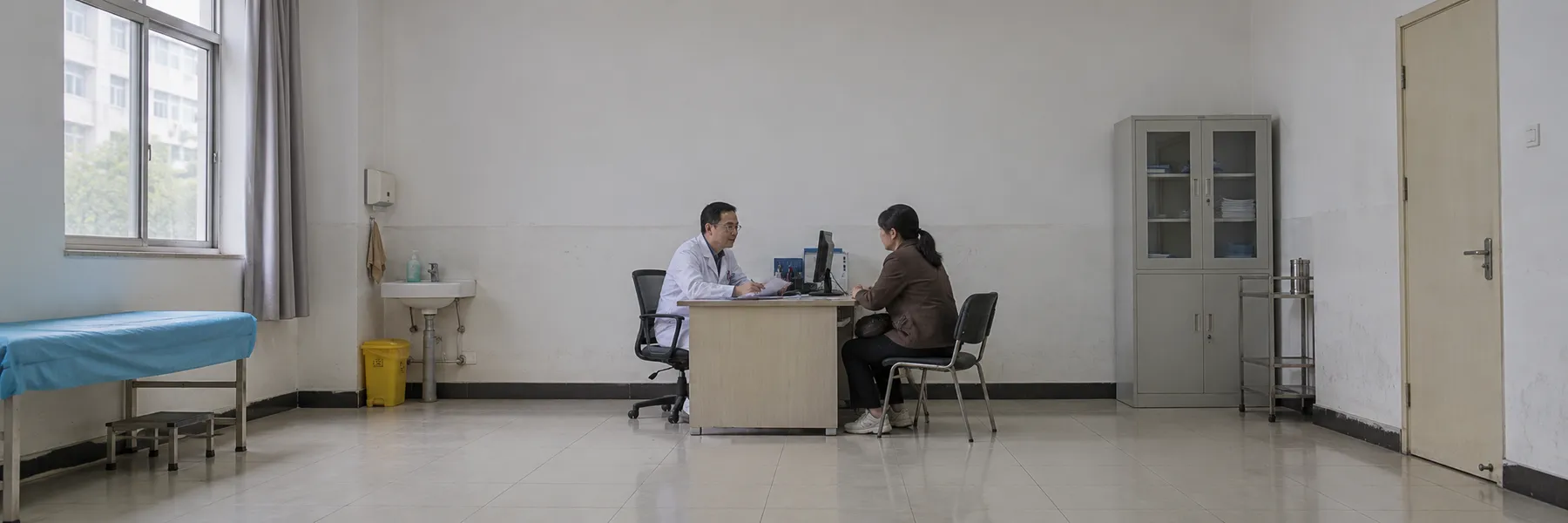
Questions to ask in the same visit
- What else could be done besides this recommendation, including watching for now or not treating on this trip.
- The main benefit and the important risks in a situation like yours, and which changes mean you should contact the hospital immediately.
- Who the responsible doctor is, which consent is required for surgery, medicine, or admission, and whether a family member can be present.
- How long you may need to stay in China, which follow-up or rehabilitation has to be arranged locally, and what can continue where you live.
- Which items the estimate includes and which it leaves out. For the difference between an estimate and a bill, see How to separate treatment costs and payment.
Keep an explanation you can reread
Ask the hospital to explain in language you understand, or arrange interpreting. Keep the diagnosis name, the recommendation, and the limits in a written record that a doctor at home can read. For the steps from your first inquiry to discharge, see Steps for medical treatment in China.
SinoCareHub can organize your questions about risks, alternatives, costs and care after returning home, help put them to the hospital and organize the explanations it has already provided. The doctor is responsible for medical explanations and recommendations; you give informed consent after understanding them. SinoCareHub does not sign consent on your behalf.

Need more help?
Tell us about your situation and main needs. We will contact you and explain the next step.
Contact usYou can contact us without complete records