
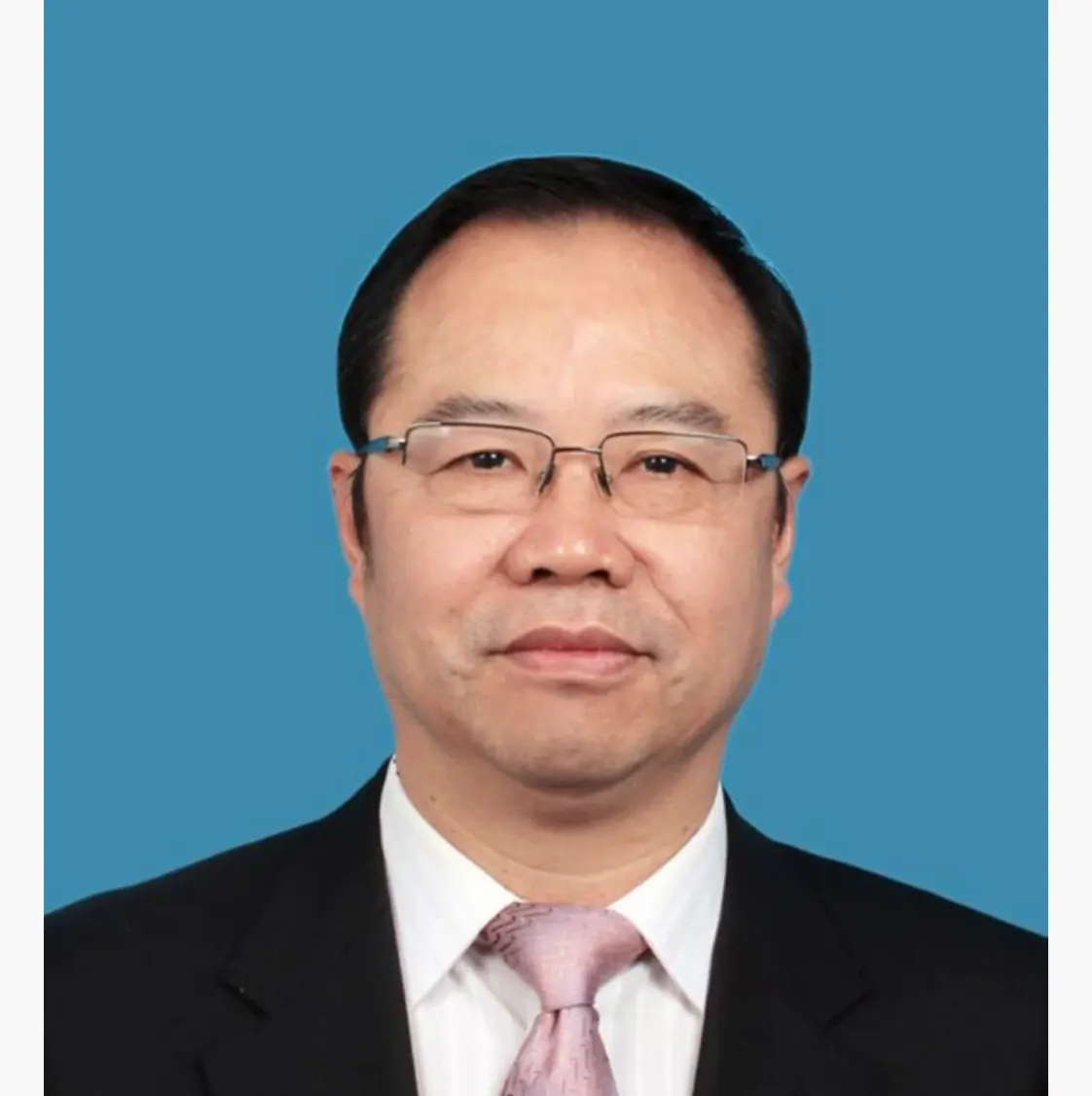
Guangying Zhu
Chief Physician · Professor and doctoral supervisor
Beijing
Chief Physician in Radiation Oncology and Executive Deputy Director of the Lung Cancer Center at China-Japan Friendship Hospital. He focuses on differential diagnosis of lung nodules and precision radiotherapy for lung cancer, leads the multidisciplinary lung nodule and lung cancer clinic, and sees patients at the International Medical Department on Thursday afternoons.
China-Japan Friendship HospitalRadiation Oncology
Clinical focus Differential diagnosis of lung nodules · Precision radiotherapy for lung cancer · Stereotactic radiotherapy for early-stage lung cancer · Multimodal treatment for lung cancer
About the doctor
Dr Guangying Zhu is Chief Physician in Radiation Oncology and Executive Deputy Director of the Lung Cancer Center at China-Japan Friendship Hospital. He was the founding head of Radiation Oncology at Peking University Health Science Center. His work focuses on differential diagnosis of lung nodules and precision radiotherapy for lung cancer. He leads a multidisciplinary lung nodule and lung cancer clinic on Thursday afternoons, where specialists in radiation oncology, thoracic surgery, respiratory medicine, imaging and pathology work together on a care plan. He has led projects funded by China's Ministry of Science and Technology and the National Natural Science Foundation of China. He chairs the National Telemedicine Center expert committee on lung nodules and lung cancer, and is vice president of the Chinese Medical Doctor Association's radiation oncology branch and head of its lung cancer expert group. The hospital website lists his regular clinics on Monday afternoons and Thursday mornings, and his International Medical Department clinic on Thursday afternoons.
Clinical areas
A small lung nodule found at a check-up
Management depends on the nodule's size and shape and your risk factors. Bring chest CT images, preferably digital thin-slice CT, earlier follow-up scans and the check-up report. The doctor will assess the nodule and discuss when to repeat imaging or whether further tests are needed. The multidisciplinary clinic can bring together several specialties in one visit.
Confirmed early-stage lung cancer and questions about radiotherapy
Options include surgery and stereotactic radiotherapy. Suitability depends on the tumour's location and size and your overall health. Bring pathology results, contrast-enhanced CT or PET-CT, and heart and lung function test results if available to discuss the benefits and drawbacks. If surgery is unsuitable, you can ask Radiation Oncology about assessment for precision radiotherapy.
Intermediate-stage or advanced lung cancer — discussing how to combine radiotherapy with targeted therapy or immunotherapy
Treatment often combines radiotherapy with chemotherapy, targeted therapy or immunotherapy. Bring genetic test results, the pathology subtype, prior treatment records and a medication list. The doctor will consider the stage when discussing the timing and scope of radiotherapy within the overall plan. The treating team will determine the specific plan after assessment.
Radiotherapy assessment for oesophageal cancer or other chest tumours
Radiotherapy requires precise targeting and protection of nearby healthy organs. Bring gastroscopy and pathology reports and imaging such as contrast-enhanced CT. The doctor will assess suitability and technique options and explain the process and precautions.
Professional highlights
- 01Chief Physician in Radiation Oncology and Executive Deputy Director of the Lung Cancer Center, China-Japan Friendship Hospital
- 02Doctoral supervisor at Peking University Health Science Center, Peking Union Medical College and Capital Medical University
- 03Founded and leads the Thursday-afternoon multidisciplinary clinic where specialists develop a joint plan for lung nodules and lung cancer
- 04Thursday-afternoon consultations at the International Medical Department, as listed by the hospital
- 05Led projects funded by China's Ministry of Science and Technology and the National Natural Science Foundation of China
Professional experience
1984
Bachelor's degree, Xuzhou Medical College, Jiangsu
1990
Master's degree in medicine, Suzhou Medical College, Jiangsu
2000
Doctoral degree in medicine, Peking Union Medical College
2004-2005
Visiting professor, University of Texas MD Anderson Cancer Center, United States
2016
Began serving as Chief Physician in Radiation Oncology, China-Japan Friendship Hospital
Founding head of Radiation Oncology, Peking University Health Science Center
Vice president, radiation oncology branch, Chinese Medical Doctor Association, and head of its lung cancer expert group
President, radiation oncology branch, Beijing Anti-Cancer Association
Chair, lung nodule and lung cancer expert committee, National Telemedicine Center
2018
Led Ministry of Science and Technology project 2018YFC1313202, a multicentre open-label study of stereotactic body radiotherapy given concurrently with immune checkpoint inhibitors for early-stage non-small cell lung cancer
2018
Led a National Natural Science Foundation of China project to model regression of primary non-small cell lung cancer tumours after radiotherapy
Supervised more than 20 graduate students and published multiple papers in SCI-indexed and core journals including Int J Radiat Oncol Biol Phys, Thorac Cancer and Front Oncol
2014
Outstanding Teacher, Peking University Cancer Hospital, September 2014
Hospital and department
China-Japan Friendship Hospital is a large comprehensive Grade III Class A hospital directly administered by China's National Health Commission. Opened in 1984, it provides medical care, teaching, research, rehabilitation and preventive care.
Established in 1985, Radiation Oncology was among the earlier standalone radiotherapy departments in China's general hospitals. The hospital's department profile lists differential diagnosis of lung nodules, precision radiotherapy for early lung cancer and precision radiotherapy combined with targeted therapy and immunotherapy for intermediate-stage or advanced lung cancer.
Before you seek care
Records to prepare
Bring chest CT images, including digital thin-slice CT if available, pathology reports, genetic test results if already obtained, past treatment records, your current medication list and recent blood tests. Confirm the specific requirements with the hospital.
Appointment arrangements
The hospital website lists regular clinics on Monday afternoons and Thursday mornings, and International Medical Department visits on Thursday afternoons. The multidisciplinary lung nodule and lung cancer clinic also runs on Thursday afternoons. Check official hospital booking channels for the latest schedule and availability.
- Seek prompt care at the nearest emergency department for coughing up blood, worsening shortness of breath or a persistent high fever. Do not wait for a scheduled clinic visit.
- Radiotherapy suitability and planning require an in-person assessment and review of imaging and pathology. The treating team must assess whether radiotherapy is appropriate for you.
- International patients should confirm appointment availability, language support and required documents through official hospital channels before visiting.