
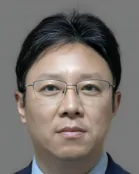
Li Junliang
Chief Physician · Doctorate in Medicine / Master's Supervisor
Guangzhou
Currently heads the neurosurgery ward at Guangzhou Women and Children's Medical Center and has independently diagnosed and treated nearly 1,000 cases of pediatric cerebrovascular disease, according to the hospital's official WeChat account.
Guangzhou Women and Children's Medical CenterNeurosurgery
Clinical focus Pediatric neurosurgery · Interventional treatment for cerebrovascular disease · Revascularization for moyamoya disease
About the doctor
Dr. Li Junliang is a chief physician and head of the neurosurgery ward at Guangzhou Women and Children's Medical Center. He holds a doctorate in medicine and supervises master's students at Guangzhou Medical University. He practices pediatric neurosurgery, including vascular disorders of the brain and spinal cord, nervous system tumors, complex hydrocephalus, craniosynostosis, and tethered cord syndrome. He specializes in interventional and microsurgical treatment of complex vascular disorders of the brain and spinal cord in children and is experienced in revascularization surgery for pediatric moyamoya disease. If your child has been diagnosed with a related condition, you can gather their images and previous medical records and ask the hospital about appointments and assessment.
Clinical areas
A child has a diagnosed vascular disorder of the brain or spinal cord, such as an arteriovenous malformation or moyamoya disease
Gather vascular images and previous medical records and ask the doctor about assessment for interventional treatment or microsurgery. The treating team will determine the specific plan.
Complex hydrocephalus or an arachnoid cyst in a child
Bring the images to discuss surgical options. The doctor will assess in person whether surgery is needed.
Unusual head shape with suspected craniosynostosis
Ask about head imaging and the timing of surgery. A specialist must make the clinical assessment.
Tethered cord syndrome
Gather images and a record of symptoms and ask the doctor about assessment and management.
Professional highlights
- 01Head of the neurosurgery ward at Guangzhou Women and Children's Medical Center
- 02Placed second nationally in the National Health Commission's neurointerventional surgery competition, according to official hospital materials
- 03Independently diagnosed and treated nearly 1,000 cases of pediatric cerebrovascular disease, according to the hospital's official WeChat account (2025-06)
- 04Placed third nationally in the surgical skills showcase for young physicians held by the Chinese Medical Association's Pediatric Neurosurgery Branch
Professional experience
Education and clinical experience
Master's and doctoral degrees in neurosurgery, Sun Yat-sen University. Stayed at the university after completing his master's in 2005 and served successively as resident, chief resident, and attending physician at Sun Yat-sen Memorial Hospital, Sun Yat-sen University
2009-03 to 2010-02
Formal training in interventional neuroradiology with Professor Ling Feng's team at Beijing Xuanwu Hospital
2014-10
Transferred to Guangzhou Women and Children's Medical Center, where he now heads the neurosurgery ward
Research projects
Led 1 provincial research project and 1 key hospital research project, and contributed to 6 National Natural Science Foundation of China projects
Selected publications
Published more than 40 papers, including 12 indexed in the Science Citation Index (SCI), and contributed to Pediatric Neurosurgery, a priority publication under China's 14th Five-Year Plan
Academic appointments
Standing committee member of the neurosurgery branches of the Guangdong and Guangzhou medical doctors associations
Expert panel member at the National Medical Quality Control Center for Brain Injury Assessment
Hospital and department
Guangzhou Women and Children's Medical Center focuses on specialist care. Its areas of focus include pediatric surgery, pediatric respiratory medicine, and neonatology.
The neurosurgery department provides surgical assessment and care for children with nervous system tumors, cerebrovascular disease, hydrocephalus, and related conditions. The ward head has long focused on interventional and microsurgical treatment of pediatric cerebrovascular disease.
Before you seek care
Records to prepare
Gather previous medical records, images and test reports, and a list of current medications. Confirm the exact documents required with the hospital.
Appointment arrangements
Check clinic hours, campus location, and appointment requirements through the hospital's official channels.
- This profile summarizes publicly available information about the doctor and cannot determine whether your child needs surgery or which treatment is appropriate.
- For pediatric neurosurgical emergencies, such as signs of acute intracranial bleeding, go to the nearest emergency department immediately.
- Confirm appointments, campus location, and consultation arrangements with the hospital for the latest information.