
Emergency
Which number do you call for a medical emergency in China?
For urgent medical help in mainland China, call 120. Beijing's official guide also gives (+86 10) 120. Do not wait for a coordinator to assess the cause remotely; emergency care also cannot replace your booked specialist visit.
SinoCareHub Content Team2 minLast updated October 20, 2026
Call 120 for an emergency
The medical guide for foreigners published by the Beijing Foreign Affairs Office says that mainland China has 120 emergency medical centers. In an emergency in Beijing, you can dial (+86 10) 120 for pre-hospital emergency care. Almost all hospitals have emergency departments that can provide emergency treatment.
The hospital-service page on the same site also lists 120 or 999. The emergency service transfers the patient to a hospital emergency department that can provide the needed care, considering distance, urgency, the specialty required, and the wishes of the patient and family. Transport to the hospital in your original travel plan is not guaranteed. A specialist institution, such as a dental or obstetrics and gynecology hospital, provides the emergency care that matches its specialty. Not every hospital can treat every emergency.
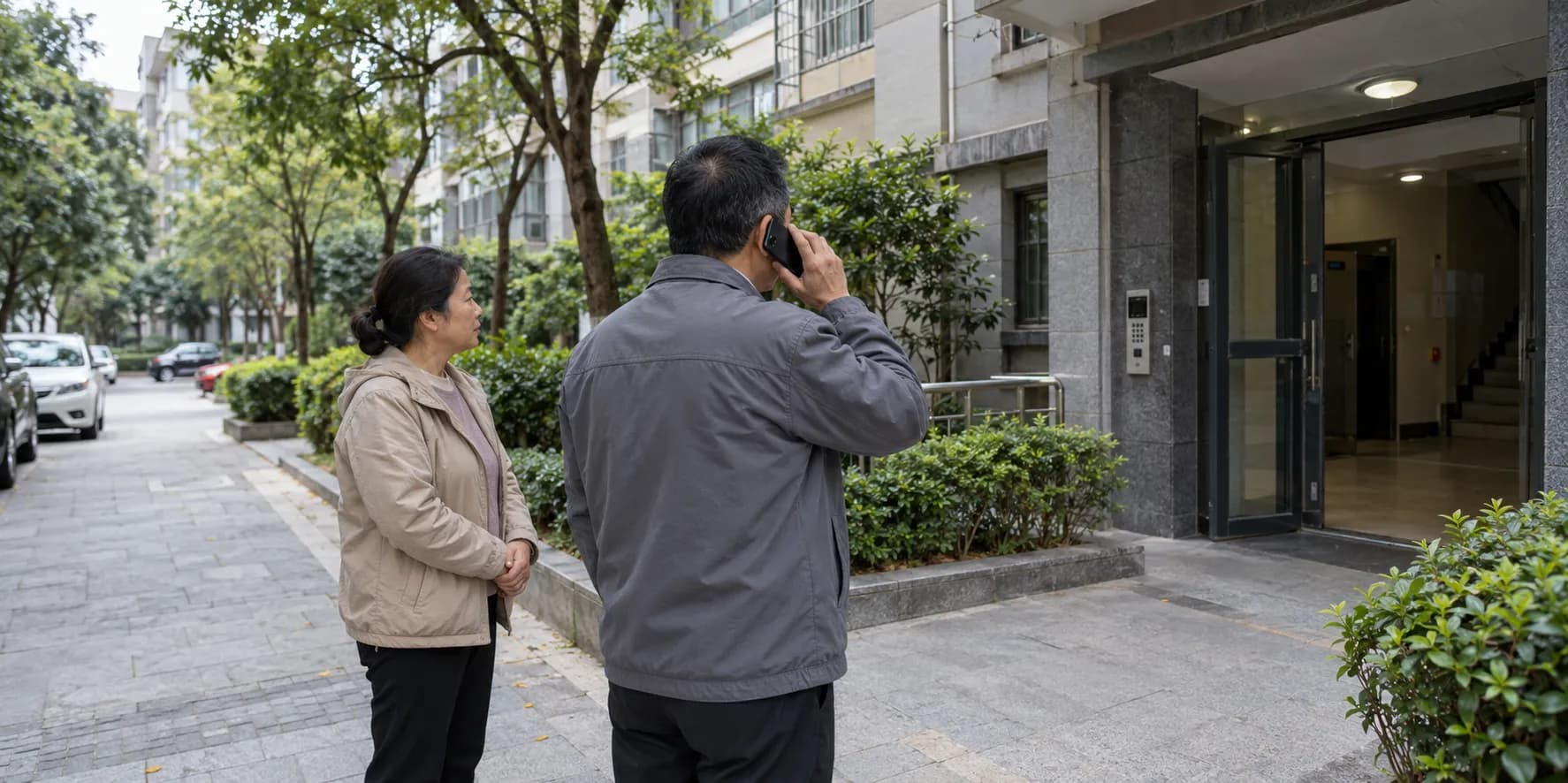
Say three things on the call
- Where the patient is now, including an address or landmark an ambulance can find.
- The most obvious problem, such as bleeding, trouble breathing, chest pain, or being unable to wake the patient. If you know an existing diagnosis, you can add it. Do not wait for someone to judge the cause remotely before you call.
- A phone number that can be called back, and who on site can open the door or lead the way.
The official pages do not promise that 120 is available in a particular foreign language. If someone on site can give the location and symptoms in Chinese, ask that person to help with the call. Interpreting inside the hospital afterwards is covered in Medical interpreting in a Chinese hospital.
Emergency care is not a booked clinic
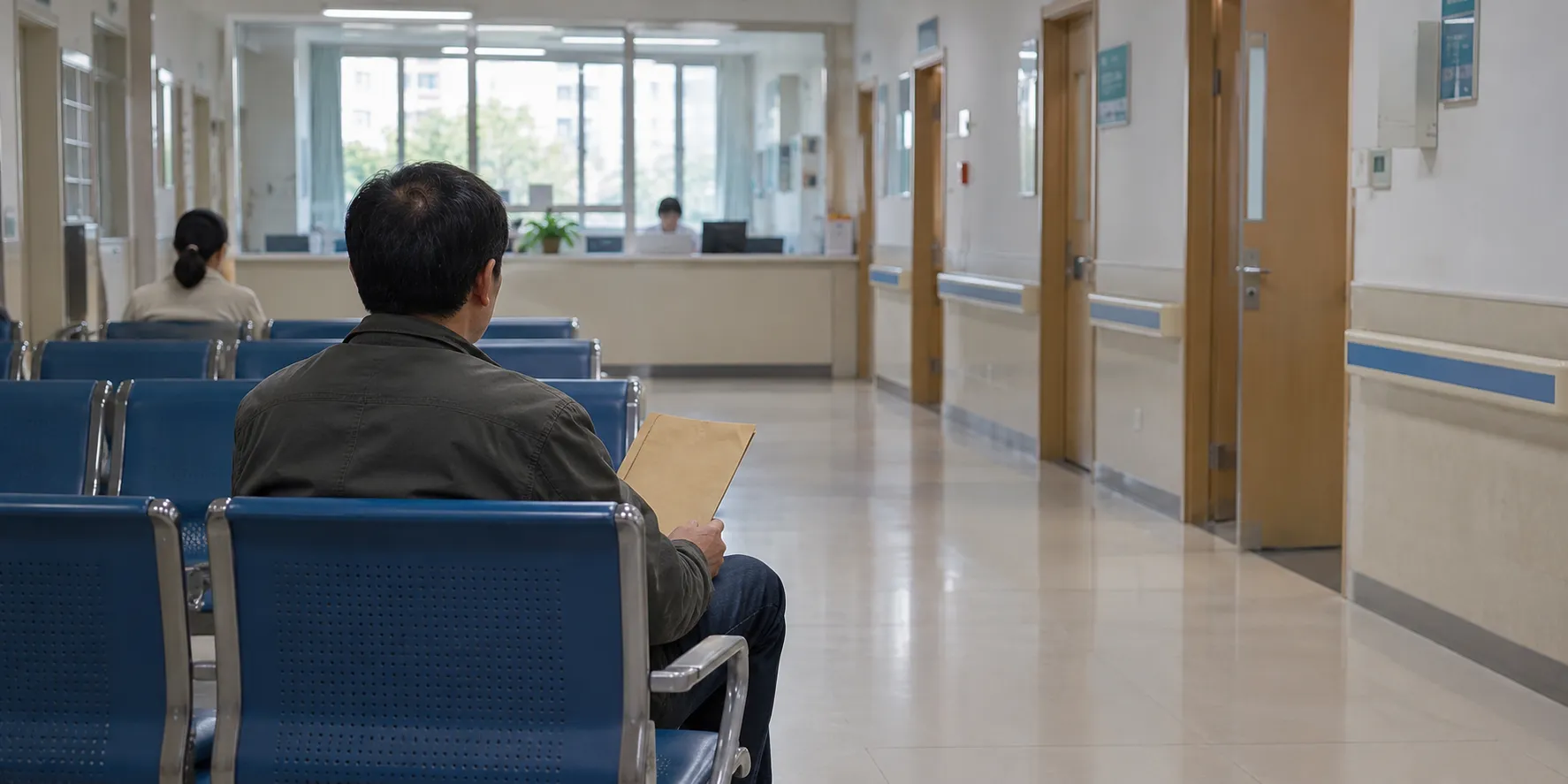
120 and the emergency department are for situations that need urgent assessment. They do not replace a specialist visit booked in advance, and they do not start a non-urgent test or surgery plan. A non-urgent visit still needs your passport and the hospital's booking path. See Passport, payment, and language at a hospital visit.
In an emergency, call 120 first; do not wait for a reply from SinoCareHub. SinoCareHub is not an emergency service and cannot dispatch an ambulance or diagnose the cause. Once the situation is stable, it can help organize records already issued by the hospital and contact a follow-up clinic.
Need more help?
Tell us about your situation and main needs. We will contact you and explain the next step.
Contact usYou can contact us without complete records