
Hospital schedule
How is Parkinson's disease treated in China? A guide for international patients
Learn how Parkinson’s disease is assessed and treated in China, when deep brain stimulation (DBS) may be considered, and how to prepare records, compare costs and arrange follow-up.
SinoCareHub Content Team15 min
Overview
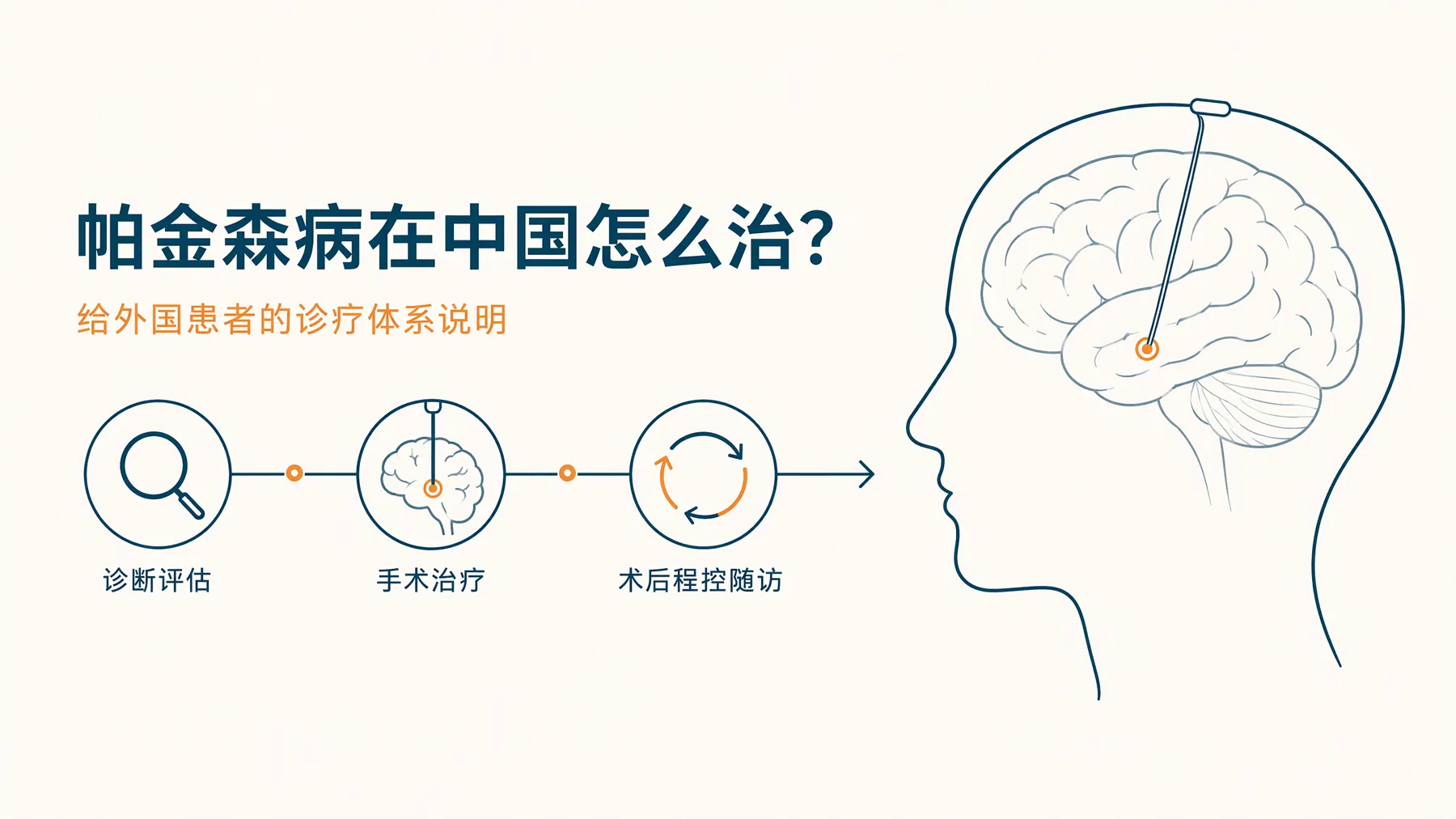
If you or a family member already has a Parkinson's diagnosis, the medicine may still work but wear off sooner after each dose. Tremor, stiffness and shuffling steps can make it harder to go out, and the wait for a local specialist may be several months. China may be one option you are considering.
This article addresses four questions: what China offers in diagnosis and surgery, how the process works, what you would pay for, and what doctors in China cannot do. The final section lists public information on six hospitals and their teams to help you decide whom to consult.
What treatment can and cannot do
There is currently no cure for Parkinson's disease in any country. Treatment aims to control symptoms, reduce fluctuations between on and off periods, and preserve walking, speech and the ability to care for oneself as far as possible [1].
Care in China combines medicines, surgery, rehabilitation exercise and supportive care. National guidelines are updated regularly. The most recent version identified is the fifth edition of the Chinese Parkinson's Disease Treatment Guidelines, published in 2026 [2]. For people travelling from abroad, one advantage is that diagnosis, imaging, surgical assessment, implantation, device activation and long-term programming can be coordinated in one hospital, without contacting three or four different facilities yourself.
Hospitals in China do not promise to cure or reverse Parkinson's. They will not schedule surgery for patients who do not meet the criteria. Cell therapy is still at the clinical research stage.
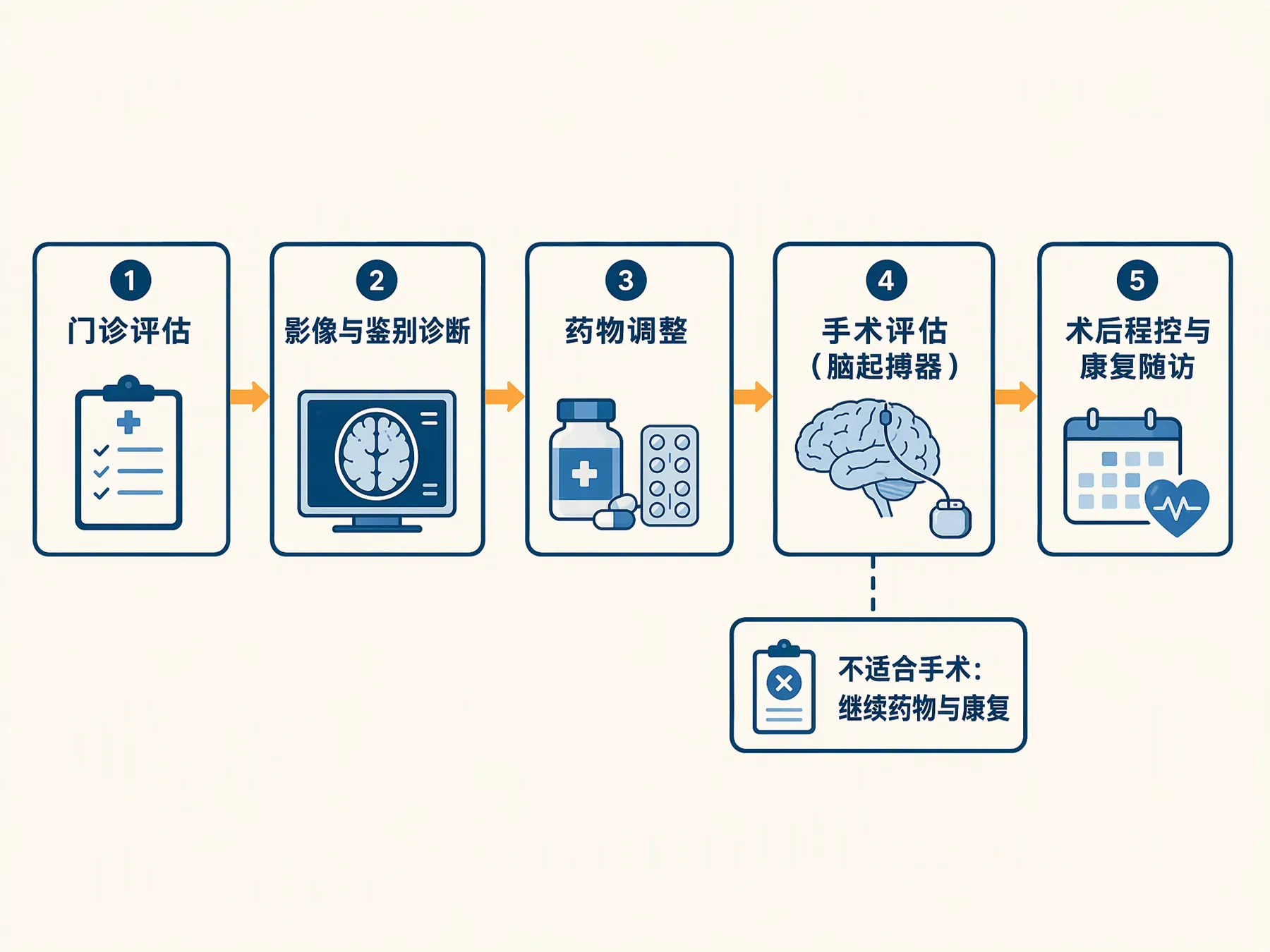
Figure 1. The diagnosis and treatment pathway for Parkinson's disease in China
First, confirm whether it is Parkinson's disease
This basic step determines what happens next. If the condition is actually an atypical parkinsonian syndrome, such as multiple system atrophy, progressive supranuclear palsy or corticobasal degeneration, the potential benefits and risks of deep brain stimulation (DBS) are very different.
China has incorporated integrated PET/MRI into guidance for cases in which the signs are atypical or the response to medication is unclear. The 2026 guideline on the clinical use of integrated PET/MRI brain imaging in Parkinson's disease says that, when the clinical diagnosis is uncertain, simultaneously acquiring and combining functional information about the nigrostriatal dopaminergic pathway from PET tracers and structural information from tests such as neuromelanin MRI and diffusion tensor imaging can help distinguish Parkinson's disease from atypical parkinsonian syndromes better than a single imaging modality. The guideline also gives stratified recommendations by multimodal imaging biomarker [4]. Specialists in imaging, radiology, neurology and functional neurosurgery developed the guideline. One corresponding author is Lu Jie of the Department of Radiology and Nuclear Medicine at Xuanwu Hospital, Capital Medical University [4].
Not everyone with a confirmed diagnosis needs this imaging. It is used when the diagnosis is uncertain or it is hard to distinguish between conditions. The neurologist seeing you decides whether to order it. There is no need to buy a testing package in advance.
If you are still abroad, you can start with a review of your records. Put your records, scans and medication history in a summary that a doctor can read quickly. Have a specialist in China review it before you decide whether to travel. SinoCareHub (Huayitong) coordinates services of this kind, including organising and translating records, arranging video consultations and second opinions, and matching you with hospitals and departments. The hospital and doctors decide whether to accept your case and what additional tests you need.
When medication wears off sooner, should you be assessed for DBS?
A shorter response to medication does not mean you need surgery immediately. The questions to discuss are which symptoms the medicine improves and how long that benefit lasts.
The Chinese expert consensus on deep brain stimulation (DBS) for Parkinson's disease lists the following considerations for assessment: idiopathic Parkinson's disease with a good response to combination levodopa, a marked decline in medication benefit or motor complications affecting quality of life, intolerable adverse effects from medication, and tremor that medication cannot control. Surgery is not recommended in the presence of significant cognitive impairment, severe depression or anxiety, schizophrenia, or a coexisting illness that affects surgery and life expectancy [3].
The consensus gives several timing considerations. Disease duration is generally at least five years, or three years for patients whose predominant tremor is poorly controlled by medicine. The Hoehn and Yahr stage in the off period is 2.5–4.0. Patients are usually under 75, with some flexibility for those in good physical condition. Improvement on an acute preoperative levodopa challenge generally needs to be at least 30% [3]. These are criteria for assessment. The neurology and neurosurgery teams decide together whether to offer surgery.
The usual targets are the subthalamic nucleus (STN) and the internal globus pallidus (GPi). Both can improve motor symptoms and fluctuations in medication response. The ventral intermediate nucleus of the thalamus (Vim) may be considered when tremor predominates. For gait problems and falls, the pedunculopontine nucleus (PPN) may be considered as a target, although its effect on postural stability remains uncertain [3]. Surgery involves placing electrodes in the brain and a stimulator in the chest. Accurate electrode placement is essential. It can be performed with frame-based or frameless stereotactic equipment, with microelectrode recording, temporary intraoperative stimulation or intraoperative CT/MRI used to confirm the target [3]. A 2021 Chinese expert consensus covers robot-assisted DBS, which is one approach to the procedure [5].
DBS cannot cure Parkinson's disease. Most patients continue medication after surgery, with changes to the dose or regimen. Implantation is the first step. The device is generally switched on 2–4 weeks after surgery. Several programming sessions follow, with adjustments coordinated with medication. Improvements in speech, balance and cognition cannot be assumed [3].
China has published an expert consensus on remote programming after DBS for Parkinson's disease. This allows some settings to be adjusted remotely [6]. It cannot replace all in-person follow-up. Before travelling, ask where the first activation will take place, who will adjust the settings and which team can continue managing that model of device when you return home. The battery also has a limited life, and the cost of replacement depends on how heavily it is used.
Closed-loop DBS adjusts stimulation automatically in response to brain signals. It is being studied in China, led by Tsinghua University's National Engineering Research Center for Neuromodulation, in collaboration with Beijing Tiantan Hospital, Peking Union Medical College Hospital and others [7]. Non-invasive neuromodulation such as repetitive transcranial magnetic stimulation is also being explored [8]. These remain research options, and should not be assumed to be available in routine care.
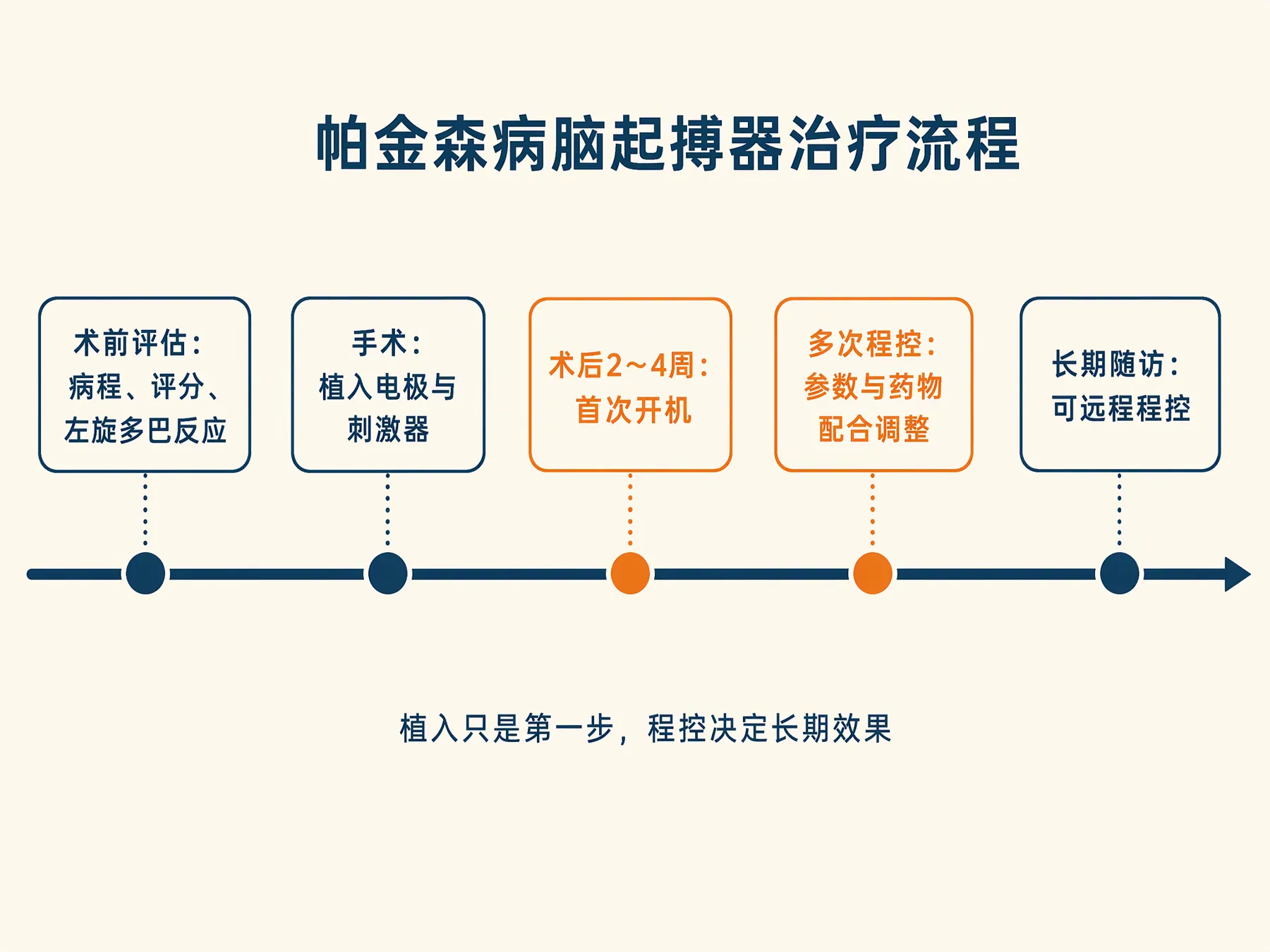
Figure 2. DBS timeline from assessment to long-term management
Lecheng: lawful access to medicines and devices not yet marketed in China
Hainan's Boao Lecheng International Medical Tourism Pilot Zone has a special policy. Imported medicines and devices that are urgently needed for clinical care can be used in designated facilities with approval before they are authorised for sale in mainland China. Research describes a regulatory system in Hainan that covers approval, use and traceability and allows real-world data studies to support later registration [9]. Hospitals use designated officers, daily accounting and tracking platforms to support safe and traceable use [10].
For patients, this means that certain medicines or devices already marketed abroad but not in China have a lawful route for use. Access is not automatic. A designated facility must apply for approval. It must confirm who can use the product and where, as well as the indications, risks and costs.
Cell therapy is a more developed area of research in China. Shanghai East Hospital is studying transplantation of dopaminergic neural progenitor cells derived from a patient's own induced pluripotent stem cells (iPSCs). The public registry lists a planned enrolment of three and an unknown current recruitment status [11]. A phase I/II trial of iPSC-derived dopaminergic progenitor cell injection NouvNeu001 lists Beijing Hospital and Zhongnan Hospital of Wuhan University as study sites, with planned enrolment of 40. The registry lists it as recruiting, but check with the study centre for current availability [12].
These are clinical studies. They are not treatments that patients can purchase. They have strict eligibility criteria, which may include age, disease duration, stage, rating-scale scores and previous surgery. Neither of these two registered studies has a placebo control group, and both carry unknown risks. A study being free of charge is not a reason on its own to try it, and enrolment does not guarantee benefit. Be cautious of any organisation that charges for what it calls stem cell treatment for Parkinson's and promises results.
For this article, I did not find an approved list of Lecheng's specially authorised medicines or devices specific to Parkinson's disease, so I cannot name a particular product. The hospital and the pilot zone administration must confirm whether a product is available and suitable for your condition. Do not decide on the basis of general online advertising.
What China's high case volume can mean for you
Global Burden of Disease estimates put China's age-standardised Parkinson's incidence in 2021 at 24.3 per 100,000 and prevalence at 245.7 per 100,000, the highest in the G20. From 1990 to 2021, the age-standardised incidence rose by 89.7% and prevalence by 167.8% [13]. Models project about 10.9 million people with Parkinson's in East Asia by 2050, more than in any other region [14]. China also has reports assessing care and the distribution of public health resources [15].
For an individual, a high case volume can have two practical implications. DBS teams see more complex cases each year and gain more programming experience. Neurology, functional neurosurgery, imaging and rehabilitation teams at one hospital can also review your case together.
At an established centre, assessment, imaging, surgery, device activation and rehabilitation can be arranged during the same trip to reduce repeat travel. Waiting times depend on the hospital schedule, the doctor's availability and your test results. No organisation should promise an exact number of days until surgery.
What costs to compare
This article does not provide a price quote. Costs depend on the procedure, device model, length of stay and any complications. Another patient's bill can give a misleading estimate.
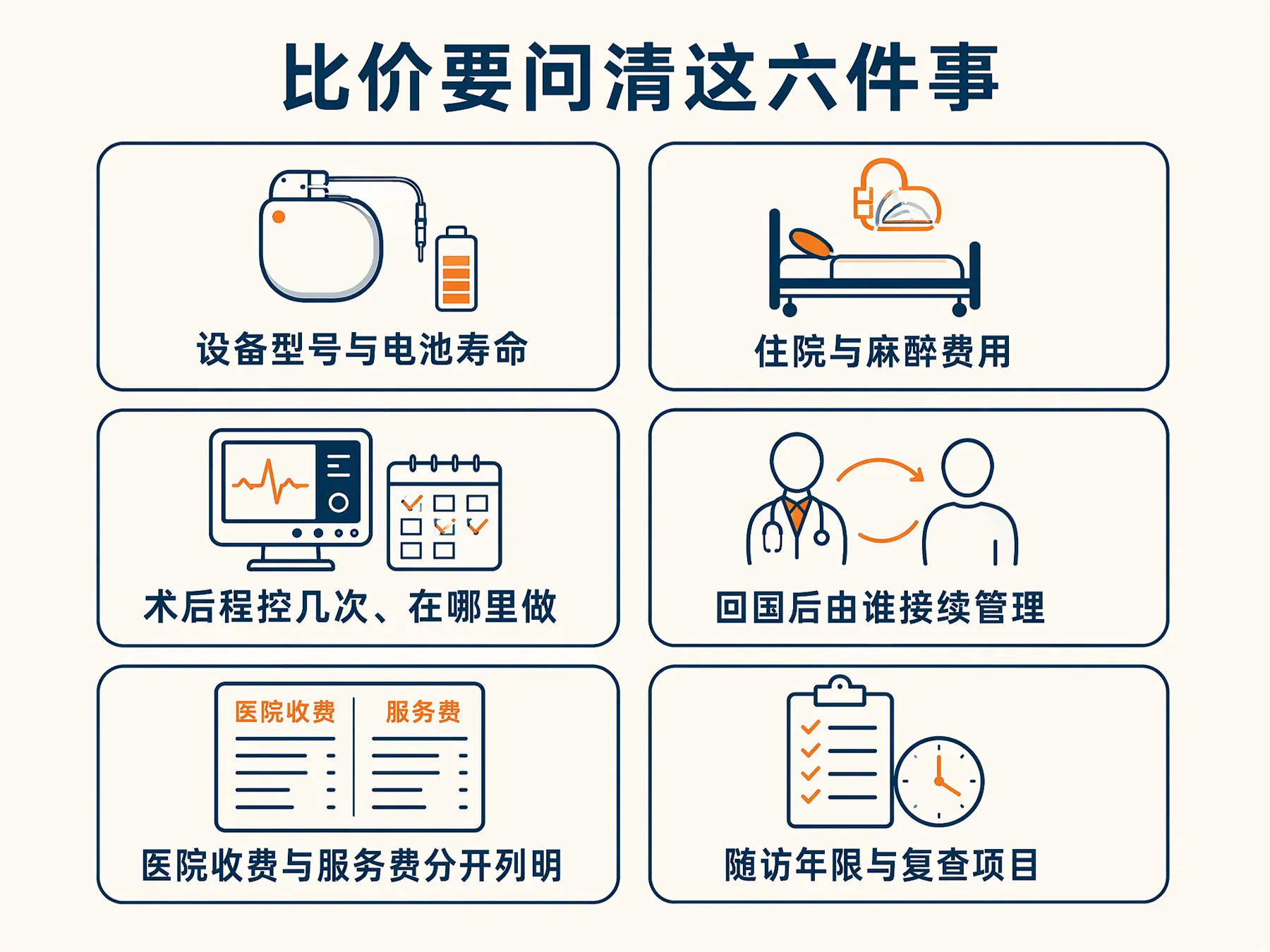
Compare the charges separately for registration and specialist visits, imaging and lab tests including whether PET/MRI is covered, medicines, surgery and anaesthesia, the DBS device itself including model, rechargeability and expected battery life, inpatient care and rehabilitation, programming and follow-up, record translation and accompaniment, and accommodation and transport. Follow-up is easy to overlook. The number and location of programming visits and who takes over after you return home will affect the total cost three to five years down the road.
When comparing two hospitals, ask about the same procedure, device model and length of follow-up. Request separate figures for hospital charges and agency or coordination fees.
What to prepare before travelling
Bring complete original records. That can be more useful than bringing an additional family member. Include discharge summaries, outpatient notes, original scan files, not just the reports, a full medication list with names, doses and number of daily doses, when each dose starts and stops working, and previous surgery records. If you already have a DBS device, bring its model number, electrode locations and current programming settings. These help doctors in China determine whether they can take over management of your device.
Keep a separate medication diary. Note the hours when you move well or feel stiff, how long a dose takes to work and whether you have involuntary twisting movements. This is more helpful in assessing suitability for surgery than saying that medication no longer works well.
Plan your visa and length of stay. Appointments, tests, surgery and device activation can be several weeks apart. Leave time in your itinerary and hold off on buying tickets you cannot refund or change.
Language and arrangements on arrival can also take more planning than expected. Coordinators such as SinoCareHub (Huayitong) can help prepare visa invitation documents as required by the hospital, coordinate appointments and scheduling, arrange medical interpreting and accompaniment during appointments and admission, and organise accommodation and transfers. Confirm the scope and fees in writing. A coordinator cannot make clinical decisions for the hospital or guarantee a particular appointment.
Chinese hospitals and teams to look into
There is no generally accepted ranking of the best hospitals for Parkinson's disease. Consider whether a hospital is a national neurological care or clinical research centre, whether it helped develop Chinese Parkinson's guidelines and the DBS consensus, and whether it has a dedicated Parkinson's clinic that can provide long-term programming and follow-up.
Xuanwu Hospital, Capital Medical University, focuses on neuroscience and geriatrics. It houses the National Center for Neurological Disorders, the China International Neuroscience Institute and the National Clinical Research Center for Geriatric Diseases. Its neurology department runs specialist clinics for Parkinson's disease, neuromodulation and involuntary movements. Lu Jie of its Department of Radiology and Nuclear Medicine is a corresponding author of the 2026 integrated PET/MRI guideline [4].
Beijing Tiantan Hospital, Capital Medical University, is known for neurosurgery and its group of neuroscience specialties. It houses the National Center for Neurological Disorders at Tiantan and the National Clinical Research Center for Neurological Diseases. Feng Tao of neurology and Zhang Jianguo of neurosurgery, both at Tiantan, are corresponding authors of the second edition of the Chinese expert consensus on DBS for Parkinson's disease [3].
Peking Union Medical College Hospital is known for its multidisciplinary care and is one of China's national referral centres for difficult and serious cases. Wan Xinhua and Guo Yi of the hospital were members of the DBS consensus panel [3]. Its multidisciplinary structure is particularly relevant when the diagnosis is unclear or there are multiple coexisting conditions.
Chinese PLA General Hospital. Ling Zhipei, a functional neurosurgery specialist, was a member of the DBS consensus panel. His listed institution is the First Medical Center of the Chinese PLA General Hospital [3].
Huashan Hospital, Fudan University. Wang Jian of the neurology department was a member of the DBS consensus panel [3].
West China Hospital, Sichuan University. Shang Huifang and Wang Wei were members of the DBS consensus panel [3]. West China Hospital was also one of the institutions that compiled the 2025 China Parkinson's Disease Report [15].
Hainan Boao Lecheng International Medical Tourism Pilot Zone is a zone, not a hospital. It allows some products marketed abroad to be used with special authorisation and supports research using real-world data [9]. Patients already using a product not yet marketed in China or interested in investigational cell therapy can ask about it. A hospital in the zone must assess whether you can use it.
The specialists listed above were identified in published guidelines and consensus statements. Their inclusion shows their academic involvement, and does not mean that they are the best choice for an individual patient. Consult the hospital about current schedules, how to book and whether the doctor sees international patients.
If you are struggling to understand your records, choose a department or arrange help after you arrive, Huayitong can address those tasks separately. Its services include organising and translating records, matching patients with hospitals and departments, arranging appointments and accompaniment, and coordinating follow-up and delivery of reports. It does not diagnose, prescribe or promise outcomes. It handles logistics so the hospital and doctors can focus on care.
This article provides general health and care information for patients. It is not a diagnosis or a treatment recommendation for any individual. The treating doctor decides on the plan for each case. The clinical studies mentioned are provided for information, and do not constitute an invitation to enrol or a promise of benefit.
References
[1] Li Shuhua et al. Chinese Journal of Neurology. 2025. DOI: 10.3760/cma.j.cn113694-20240428-00306
[2] Chinese Medical Information Herald. 2026. DOI: 10.3760/cma.j.issn.1000-8039.2026.12.117
[3] Chinese expert consensus on deep brain stimulation for Parkinson's disease (second edition)
[4] Clinical practice guideline for integrated PET/MRI brain imaging in Parkinson's disease (2026 edition)
[5] Chinese expert consensus on neurosurgical robot-assisted deep brain stimulation
[6] Functional Neurosurgery Group, Neurosurgery Branch of the Chinese Medical Association, et al. Chinese Journal of Neuromedicine. 2025. 23(12): 1189–1194. DOI: 10.1097/CM9.0000000000003390
[7] NCT06012461. https://www.clinicaltrials.gov/search?term=NCT06012461
[8] Zhou Xinyi et al. Chinese Journal of Neurology. 2024. 57(6): 519–522. DOI: 10.3760/cma.j.cn113694-20240227-00118
[9] Chang Limei et al. Chinese Pharmaceutical Affairs. 2022. DOI: 10.16153/j.1002-7777.2022.10.002
[10] Xu Beiming et al. China Food and Drug Administration Magazine. 2025. DOI: 10.3969/j.issn.1673-5390.2025.06.005
[11] NCT06145711. https://www.clinicaltrials.gov/search?term=NCT06145711
[12] NCT06167681. https://www.clinicaltrials.gov/search?term=NCT06167681
[13] Tingling Xu, et al. Lancet Reg Health West Pac. 2024. 46: 101078. PMID: 38745974
[14] Dongning Su, et al. BMJ. 2025. 388: e080952. PMID: 40044233
[15] Wang Gang et al. Journal of Neurology and Neurorehabilitation. 2025. DOI: 10.12022/jnnr.2025-0003
Need help?
Tell us about your situation and needs. Incomplete records are welcome.
Related reading
Sources and references
- Chinese expert consensus on deep brain stimulation in Parkinson’s, second edition (2020)
- Chinese expert consensus on remote programming after DBS for Parkinson’s (2024)
- Cover · Ronnie Shamir, Angela Noecker and Cameron McIntyre · CC BY 3.0 · padded and converted to WebP
- Image licence · CC BY 3.0
- ClinicalTrials.gov: NCT06145711
- ClinicalTrials.gov: NCT06167681