
Visit preparation
How is anaesthesia given for non-intubated thoracoscopy?
Non-intubated thoracoscopy usually means the planned anaesthetic avoids a tube in the windpipe and aims to preserve spontaneous breathing. The anaesthesia team still manages the airway and oxygen levels. The choice depends on the patient, the procedure and the plan for complications.
How anaesthesia works with spontaneous breathing
Thoracoscopic surgery requires room for the surgeon to work and adequate oxygen levels under anaesthesia. Conventional anaesthesia can use a tracheal tube and mechanical ventilation. A non-intubated approach aims to preserve spontaneous breathing while the anaesthesiologist monitors oxygenation, ventilation and operating conditions. Anaesthetic techniques vary across studies and cases. [1,3]
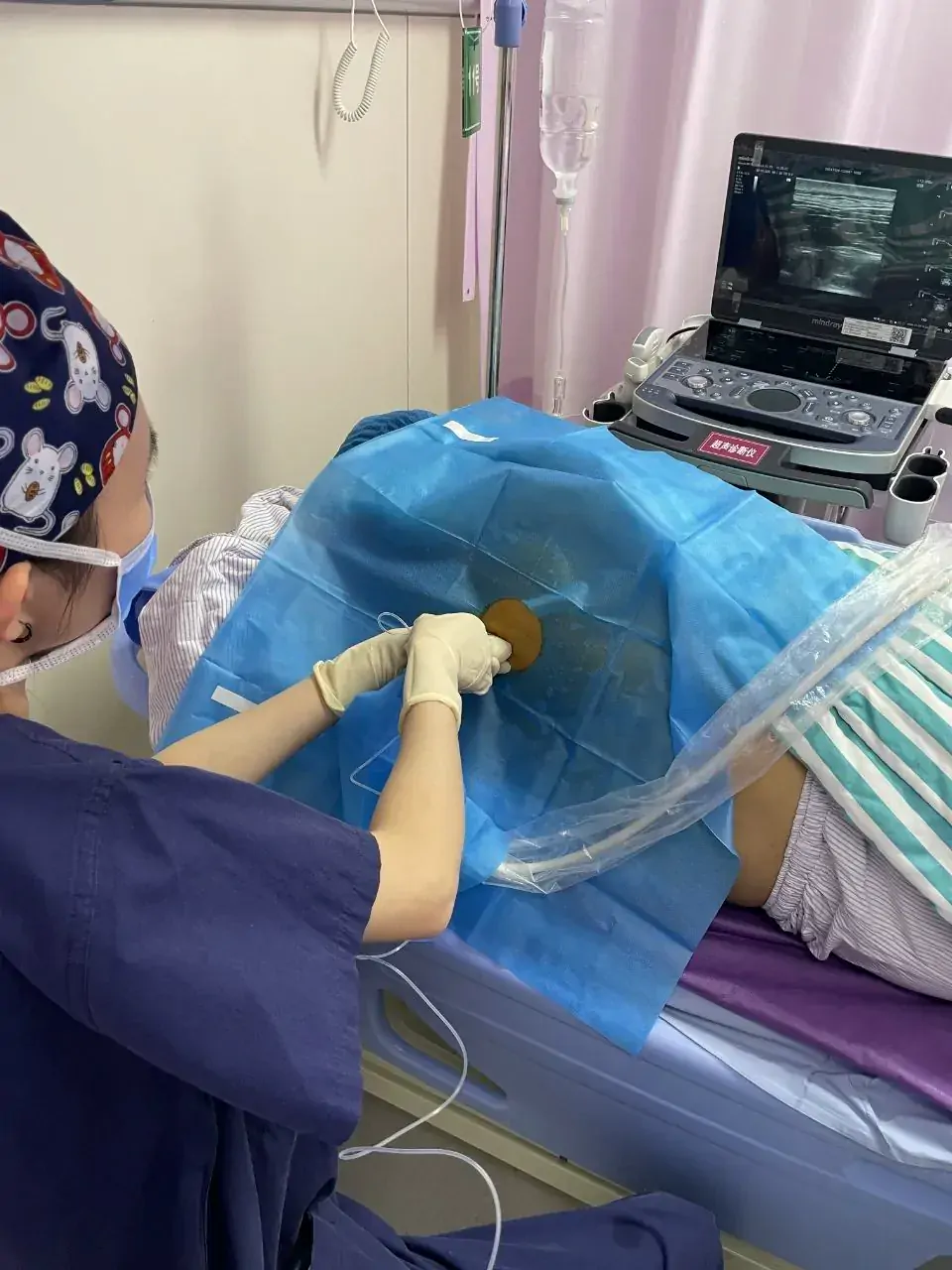
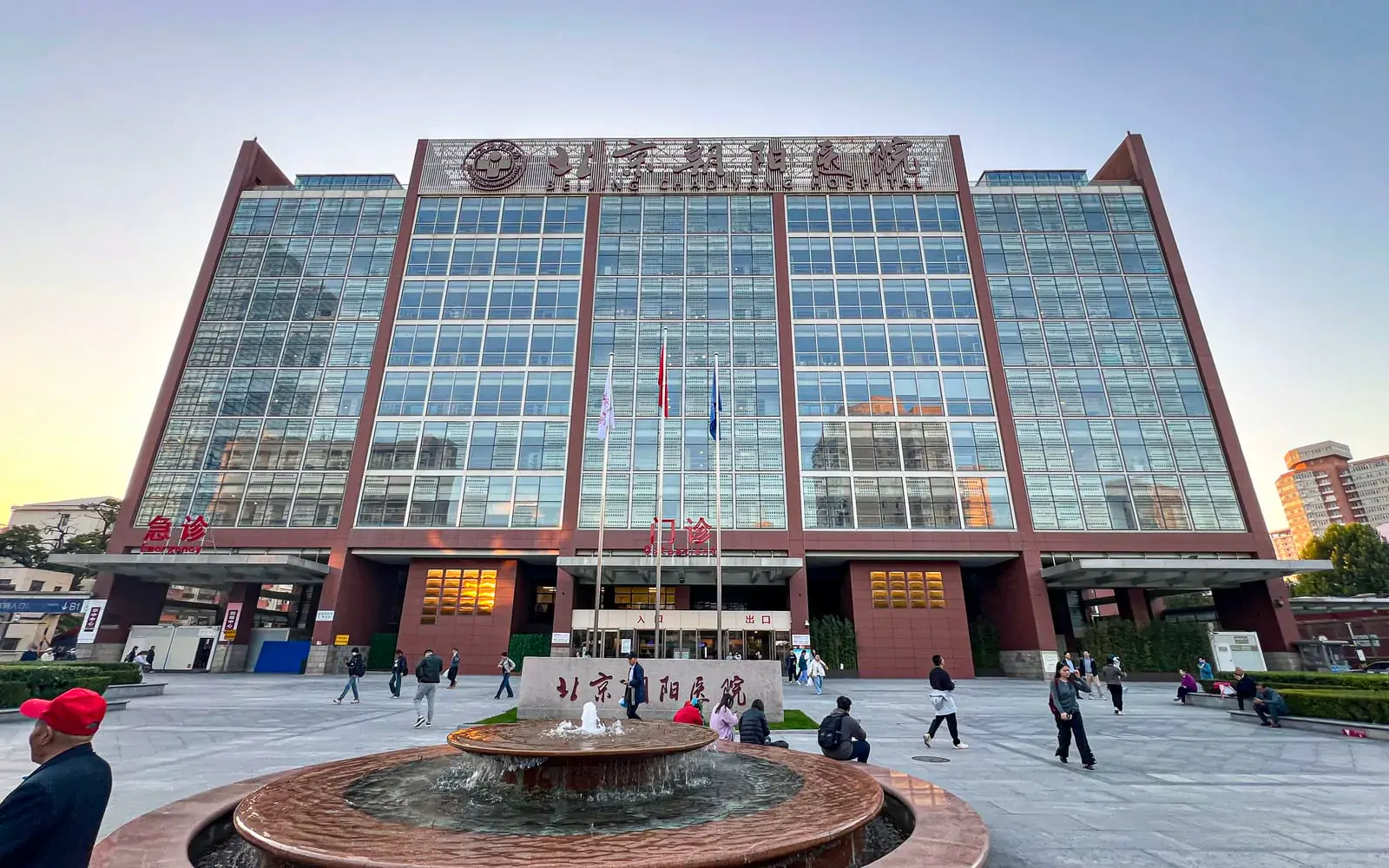
In 2024, Beijing Chaoyang Hospital's Changying campus reported one thoracoscopic operation under non-intubated anaesthesia. The team used a laryngeal mask to maintain the airway, alongside a nerve block and general anaesthesia. If you hear “non-intubated”, ask the team which anaesthetic and airway device they plan to use. [1]
Who assesses whether it is suitable?
Tell the team about lung conditions, previous chest surgery and your history with anaesthesia. The doctors also need to know which thoracoscopic operation is planned and how they would respond if oxygenation, ventilation or operating conditions become unsuitable. A procedure planned without a tracheal tube can still require intubation during surgery. Ask what would trigger that change and how the team would continue the operation afterwards. [1,3,4]
Which operations did the studies compare?
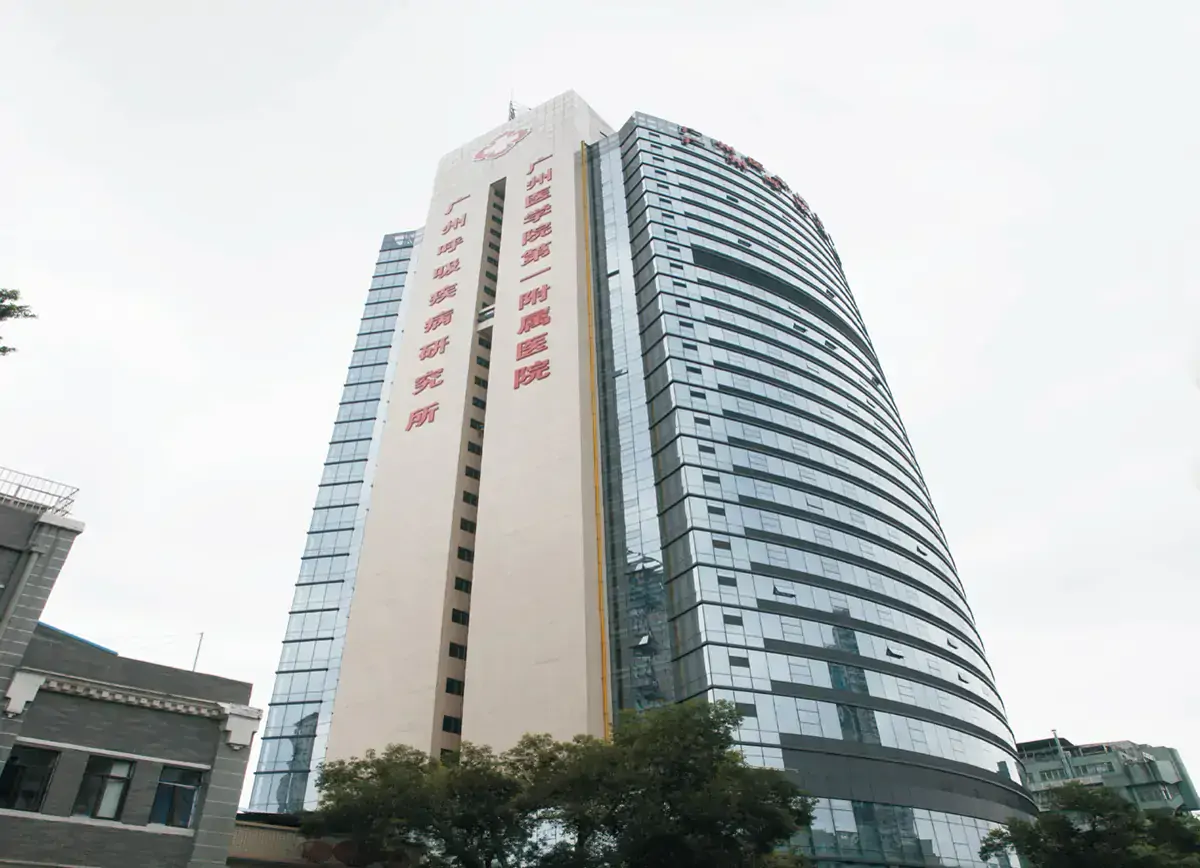
A randomised trial compared non-intubated and conventional anaesthesia in operations including removal of lung bullae, lung wedge resection and removal of a lung lobe. The abstract's findings on time without food and length of hospital stay concerned the lung bullae subgroup. For another lung operation, discuss recovery time based on the planned procedure and your own circumstances. In 2025, the National Center for Respiratory Medicine at the First Affiliated Hospital of Guangzhou Medical University reported on a course that shows what the team was teaching at the time. [2,3]
Three questions to ask before surgery
- What type of anaesthesia do you plan to use, and what airway devices will be needed?
- If oxygen levels or operating conditions change, when would you switch to intubation?
- Will I likely need chest drainage, monitoring or follow-up, and what determines each of those arrangements?
If you are preparing for a consultation, use the guide to confirming a treatment plan to list your questions. If you need coordination support, SinoCareHub can help organise previous reports and questions for the hospital to review.
Need help?
Tell us about your situation and needs. Incomplete records are welcome.
Related hospitals
Sources and references
- [1] Beijing Chaoyang Hospital · Non-intubated thoracoscopy at the Changying campus (2024-12-03) · Image: Beijing Chaoyang Hospital
- [2] National Center for Respiratory Medicine · Tubeless surgery training (2025-02-28)
- [3] Liu et al. · Randomised trial of non-intubated versus conventional thoracoscopic anaesthesia (Surgical Innovation, 2015)
- [4] Liu et al. · Airway management in thoracoscopic anatomical resection for lung cancer (European Journal of Cardio-Thoracic Surgery, 2016)