
Visit preparation
Does knee wear mean you need a knee replacement?
Wear on a scan does not automatically mean replacement is needed. Assessment also considers how pain and limited movement affect daily life, whether nonsurgical care works, and the demands of surgery and rehabilitation.
Imaging is one part of the decision
In adults with knee osteoarthritis, cartilage wear or a narrowed joint space does not mean immediate replacement is necessary. The decision depends on whether the findings match symptoms and whether current care meets daily needs.[1,2]
Beijing CDC’s 2026 information explains that X-rays show joint-space changes, bone spurs and deformity. MRI can add information on cartilage, menisci and ligaments when needed. These are structural findings; the doctor also needs a history of pain and restricted movement and a physical examination.[1]
China’s 2023 enhanced recovery clinical pathway for total knee replacement requires imaging to agree with symptoms and physical signs. Comparing whose scan looks worse, or seeing “degeneration” in a report, cannot determine surgery alone.[2]
What nonsurgical treatment can do
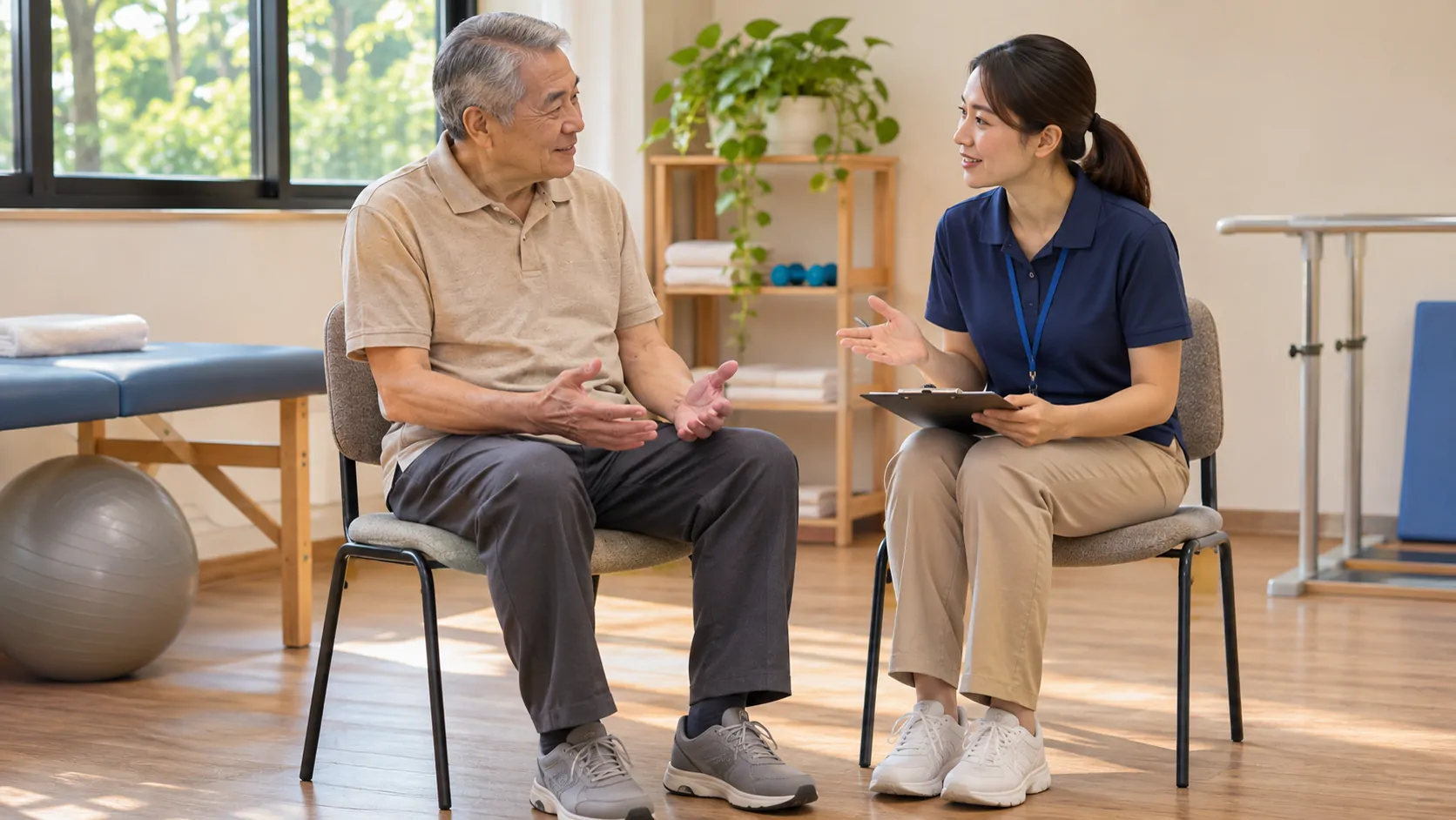
Nonsurgical care is more than enduring pain. Depending on the person, the team may arrange exercise and rehabilitation, weight management, walking aids and symptom treatment. Beijing CDC also gives conservative care and rehabilitation an important role.[1]
These measures aim to improve loading, muscle strength, pain and activity. Replacement instead substitutes artificial components for damaged joint surfaces.[1,3] How far you can walk, whether stairs or sleep are affected, and actual symptom control explain effectiveness better than simply saying you tried medicines or physiotherapy.
If pain and movement difficulties substantially affect life despite appropriate nonsurgical care, specialist assessment for replacement is worth discussing. China’s pathway lists a clear diagnosis, significant symptoms, ineffective conservative treatment and serious effects on everyday activity. These require clinical judgement, not a self-scoring formula.[2]
Risks and rehabilitation matter
Replacement aims to reduce pain and improve movement, but cannot guarantee a completely painless or freely bending knee. Infection, blood clots and persistent pain or stiffness belong in the discussion.[4]
General health also needs assessment. China’s pathway includes infection screening, assessment of existing illnesses and rehabilitation education. Severe knee wear does not mean all other surgical conditions have been met.[2]
Rehabilitation should be considered before the wound heals, not only afterwards. The pathway includes learning functional exercises and receiving discharge advice on rehabilitation, follow-up and problems. Patients travelling to China should include access to rehabilitation back home in their decision, rather than compare operation prices alone.[2]
Making an assessment in China useful
Start with the activity most affected: walking, stairs, standing up or pain at night. Bring previous images and explain the names, duration and actual effects of prior treatments. This supports a discussion of available options, rather than simply asking to repair wear visible on a scan.
If replacement is proposed, ask how symptoms match the findings, which activities might improve and what limitations may remain. Use the guide to questions before agreeing to a treatment plan to discuss alternatives and risks.
Need help?
Tell us about your situation and needs. Incomplete records are welcome.