
Visit preparation
Your first traditional Chinese medicine appointment in China
Acupuncture, herbal medicines and tuina address different needs. Explain your symptoms, existing diagnoses and medicines first, so a doctor can assess the options before you book a course of treatment.
A visit to a Shanghai hospital
Costa Rican musician Edwin Montealegre tried acupuncture and tuina, a form of Chinese manual therapy, at Longhua Hospital in Shanghai. Alex Butler, who accompanied him, had lived in Shanghai for eleven years and had previous experience of TCM. Their hospital visit began with learning about the treatments.
For a patient planning a trip to China, this gives a practical starting point: are you curious about acupuncture, or do you want a doctor to assess recurring symptoms? The first may be an introductory experience; the second calls for a medical consultation. Explaining your purpose when booking helps establish which department to contact and which records to bring.
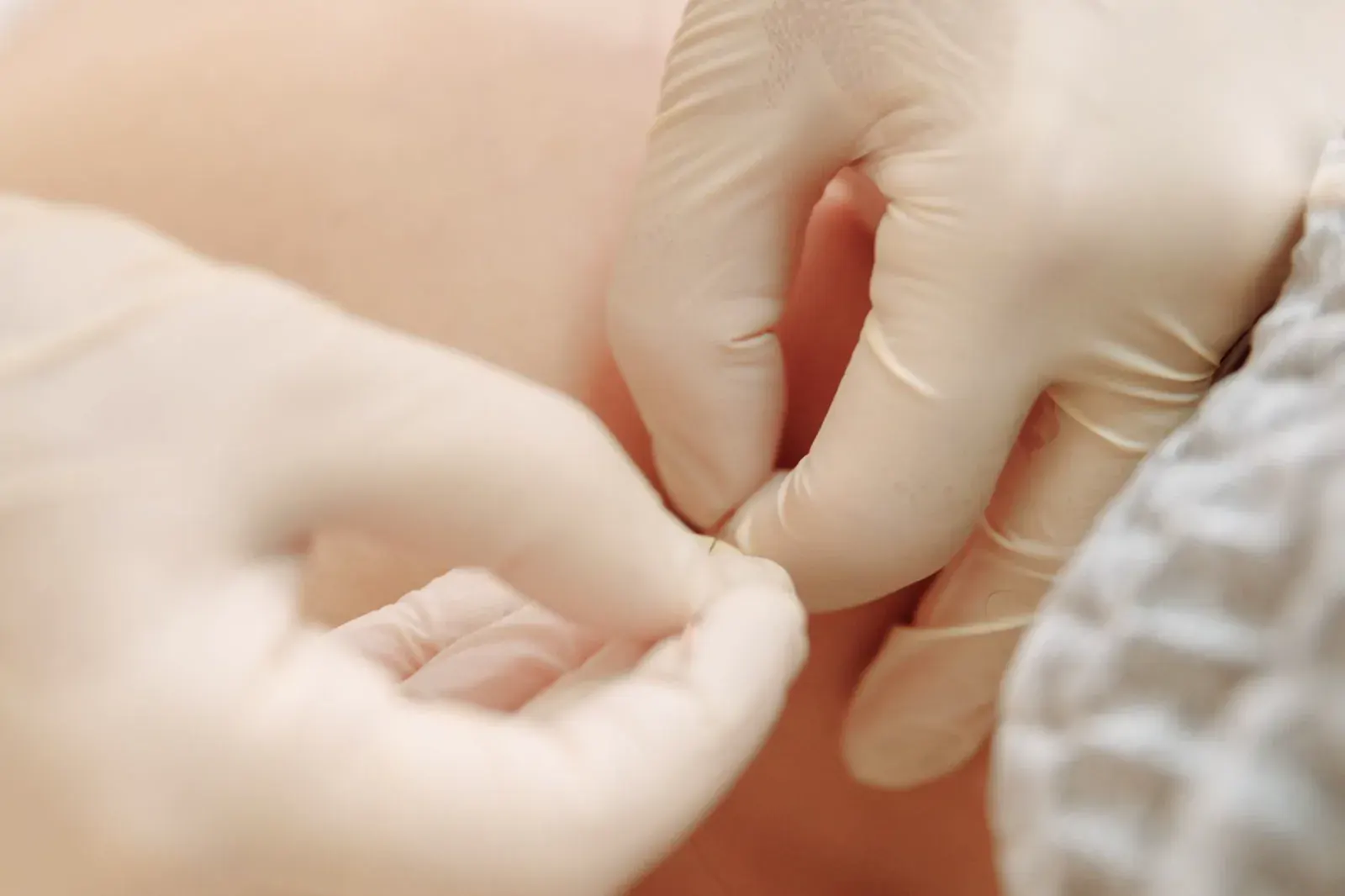
What might acupuncture help with?
Acupuncture may help relieve some back pain, neck pain and knee pain associated with osteoarthritis. Results vary, and it cannot guarantee a cure for the condition causing the pain.
If you are considering acupuncture, describe your goals in concrete terms: does pain wake you at night, how long can you walk before discomfort starts, and which movements are limited? Ask the doctor what changes to monitor, when to reassess and what to do if there is no improvement.
Acupuncture should be performed by a qualified professional using sterile, single-use needles. Improper treatment can cause serious harm, including infection. Do not delay your existing medical care to try TCM.
How do herbal medicines fit with current treatment?
Herbal medicines can also interact with medicines you already take. Check with a doctor or pharmacist before adding a herbal product, and do not stop prescribed medicine on your own.
List prescription medicines, over-the-counter medicines and supplements together, including names, doses and photographs of the packaging. Simply saying that you take a blood pressure medicine or a vitamin is not enough detail. Include any previous drug allergies.
If a doctor prescribes herbal medicine, ask about its ingredients, instructions, treatment duration and whom to contact if you feel unwell. If you plan to take it home, check entry requirements with your destination's customs and relevant authorities. A prescription issued in China does not guarantee permission to bring a medicine into another country.
What should you prepare before travelling?
- Which department should you book, does it accept international patients, and what language will be used?
- Which records are needed for the first visit, might further tests be required, and can you obtain a visit record?
- How are the first consultation, tests and subsequent treatment charged separately, and when will uncertain items be confirmed?
- If several visits are needed, how are follow-ups arranged and how can care be handed back to your usual doctor after you leave China?
Prepare a one-page summary covering your main symptoms, when they started, existing diagnoses, treatments tried and what you hope to address. Keep original recent reports and previous imaging. Confirm translation requirements and how to submit records with the receiving hospital.
Confirm acceptance, records and fees before deciding whether to extend your stay. There is no need to fill every day with treatment in advance.
Decide on further arrangements after the first assessment. A consultation, an acupuncture procedure and repeat appointments are separate services. Someone else's experience cannot tell you how many treatments you will need.
Arranging appointments and interpreting
When discussing TCM, broad expressions such as improving general health or feeling unwell can hide the actual problem. Describe where it hurts, how long it has lasted and how it affects daily life. Having an interpreter convey that account fully is often clearer than looking for a single equivalent term.
SinoCareHub can help organise records, contact hospitals and coordinate appointments. If you need on-site English medical interpreting, confirm the service times and scope in advance; other languages require separate confirmation. Hospitals and qualified doctors decide on acceptance, diagnosis, prescriptions and suitability for treatment.
When contacting us, include your health summary, current medicines, available travel dates and language needs. Confirm hospital medical charges, SinoCareHub coordination fees and third-party costs such as transport and accommodation separately before deciding the next step.
Need more help?
Tell us about your situation and main needs. We will contact you and explain the next step.
You can contact us without complete records
Related reading
Sources and references
- International Services Shanghai: Bridging cultures through healing: Expats explore TCM in Shanghai (27 February 2025)
- NIH / NCCIH: Acupuncture: Effectiveness and Safety
- NIH / NCCIH: Traditional Chinese Medicine: What You Need To Know
- NHS: Herbal medicines and complementary therapies (reviewed 1 May 2026)