
Entry rules
Which visa should a family member check when accompanying a patient to China?
Each family member applies separately. The S1 and S2 family-visit routes are for relatives of a foreign national who is already staying or residing in China. Someone leaving with the patient usually has to confirm a private-affairs application.
SinoCareHub Content Team3 minLast updated October 20, 2026
A companion cannot use the patient's visa
If the patient is coming to China for treatment, surgery, or rehabilitation, the visa category should match that medical purpose. China's general visa list has no category named medical visa. Short and longer stays often mean checking the S2 and S1 private-affairs routes separately. The patient's own documents are covered in China medical visa invitation letter and hospital documents.
An accompanying family member needs a separate application. The policy text does not say a companion may use the patient's purpose of entry, stay, or hospital documents. Each person checks nationality, passport, and the office that will receive the application.
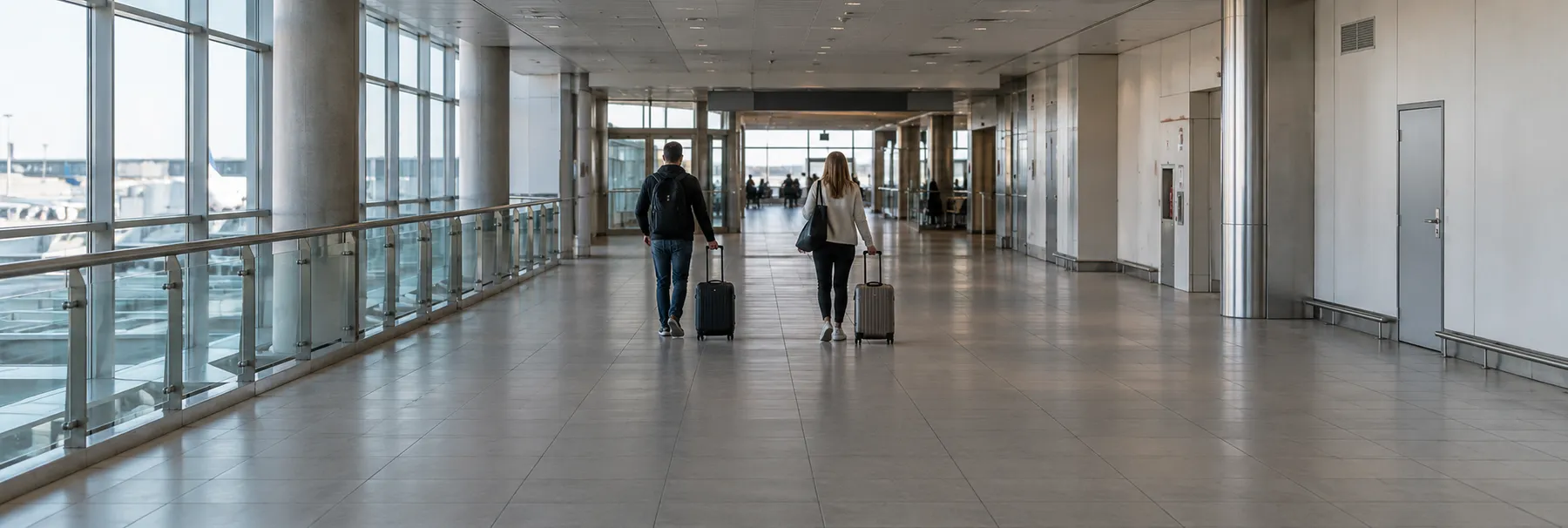
S1 and S2 family visits do not cover the same relatives
The visa instructions on the China Consular Affairs website, dated 6 August 2026, say that an S1 visa is issued to a spouse, parent, child under 18, or parent-in-law who will visit a foreign national residing in China for work, study, or another purpose, and to a person who needs to reside in China for other private affairs. The intended stay exceeds 180 days. The holder must, within 30 days of entry, apply for a residence permit at the exit-entry administration of the public security organ at or above county level in the intended place of residence.
An S2 visa is issued to a person visiting a foreign family member who is staying or residing in China for work, study, or another purpose, and to a person who needs to stay in China for other private matters for no more than 180 days. Family members here include spouses, parents, children, children's spouses, siblings, grandparents, grandchildren, and parents-in-law.
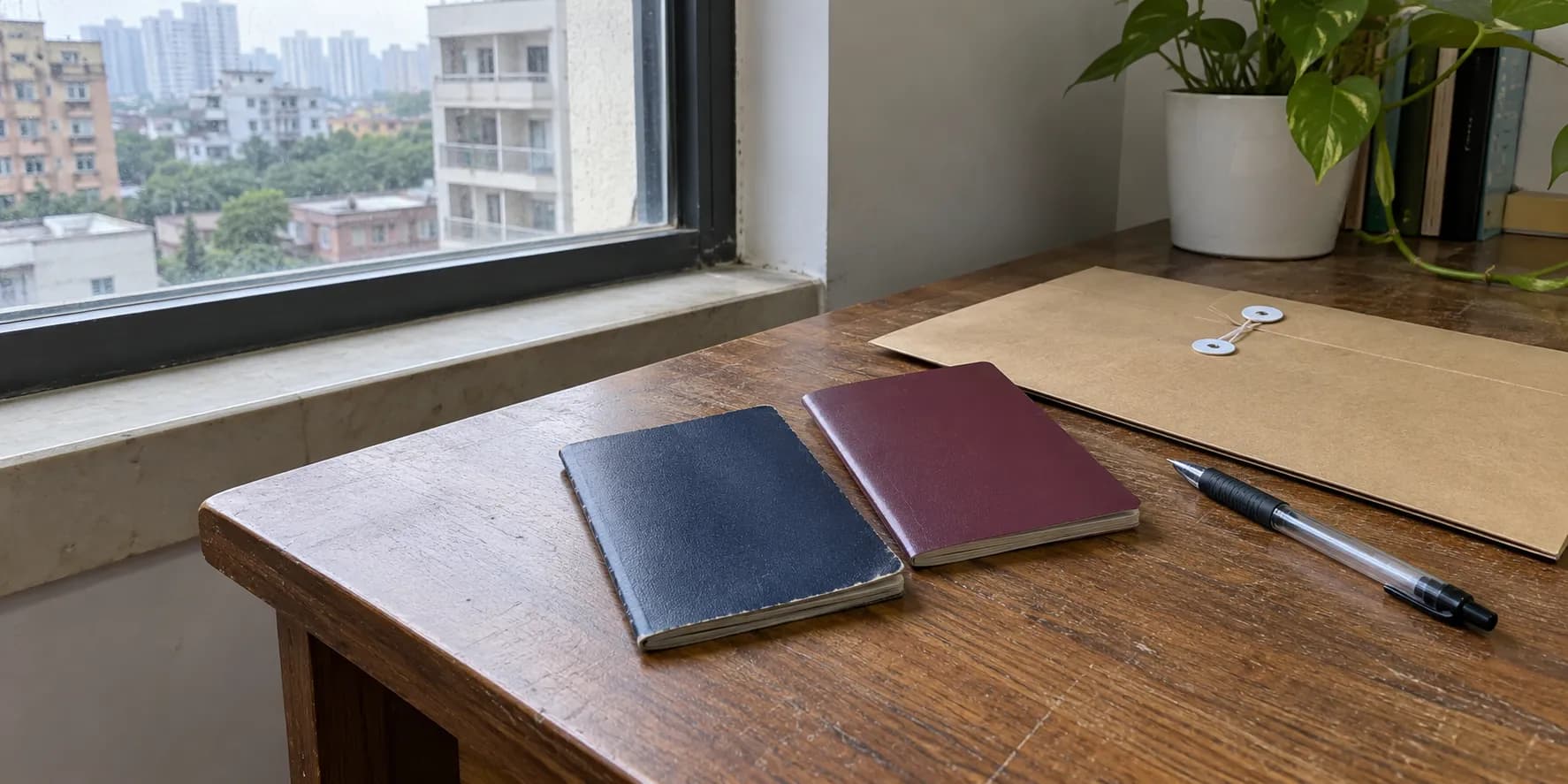
A family-visit invitation usually requires the person being visited to be in China already
- An S1 family visit needs an invitation letter, a copy of the inviter's passport biodata page and residence permit, and the original and a copy of proof of the qualifying relationship.
- A short S2 family visit needs copies of the inviter's passport and residence permit, an invitation letter, and a copy of the relationship proof.
- Documents for other private matters are those the consular officer requires. The instructions do not publish one fixed list for every companion.
A relative who leaves on the same day as the patient, while the patient is not yet staying or residing in China, often cannot use the route for visiting a foreign national already in China. Before filing, ask the receiving office whether the companion should apply under other private matters, which hospital document is needed, and how the patient’s treatment dates affect the companion’s permitted stay.
Check the companion’s permitted stay
A family member’s permitted stay does not automatically match the patient’s treatment period. If the stay may run past the visa, read What if treatment may outlast the visa?. Embassy and consulate lists differ. Do not copy one location's checklist onto another.
SinoCareHub can organize the patient’s existing records and companion plan, ask whether the hospital can issue a note about a companion, and pass on the hospital’s document requirements. Each companion must still confirm the visa category and application requirements with the receiving office for their nationality, passport and actual itinerary.
Need more help?
Tell us about your situation and main needs. We will contact you and explain the next step.
Contact usYou can contact us without complete records