
Visit preparation
What should I prepare for a cochlear implant evaluation in China?
Prepare your hearing records and ask the hospital how evaluation, activation and follow-up fit together. Assessments differ for children and adults.
Gather your existing hearing records before you travel
- Hearing test reports. For a child, include existing newborn screening or auditory brainstem response results if available. For an adult, include available pure-tone audiometry and speech recognition results.
- Hearing aid fitting and use records. Label aided and unaided test results separately. For a child, include any records of listening and language therapy.
- Existing ear clinic records, images and reports, prior surgery records, current medicines and allergies. Ask which original images the hospital needs.
If a child or adult has significant hearing loss and is considering a cochlear implant in China, send existing reports to the hospital for review. Keep complete reports and mark the test date, the ear tested and whether a hearing aid was worn. Ask what file formats and languages the hospital accepts and what tests need to be done after arrival.
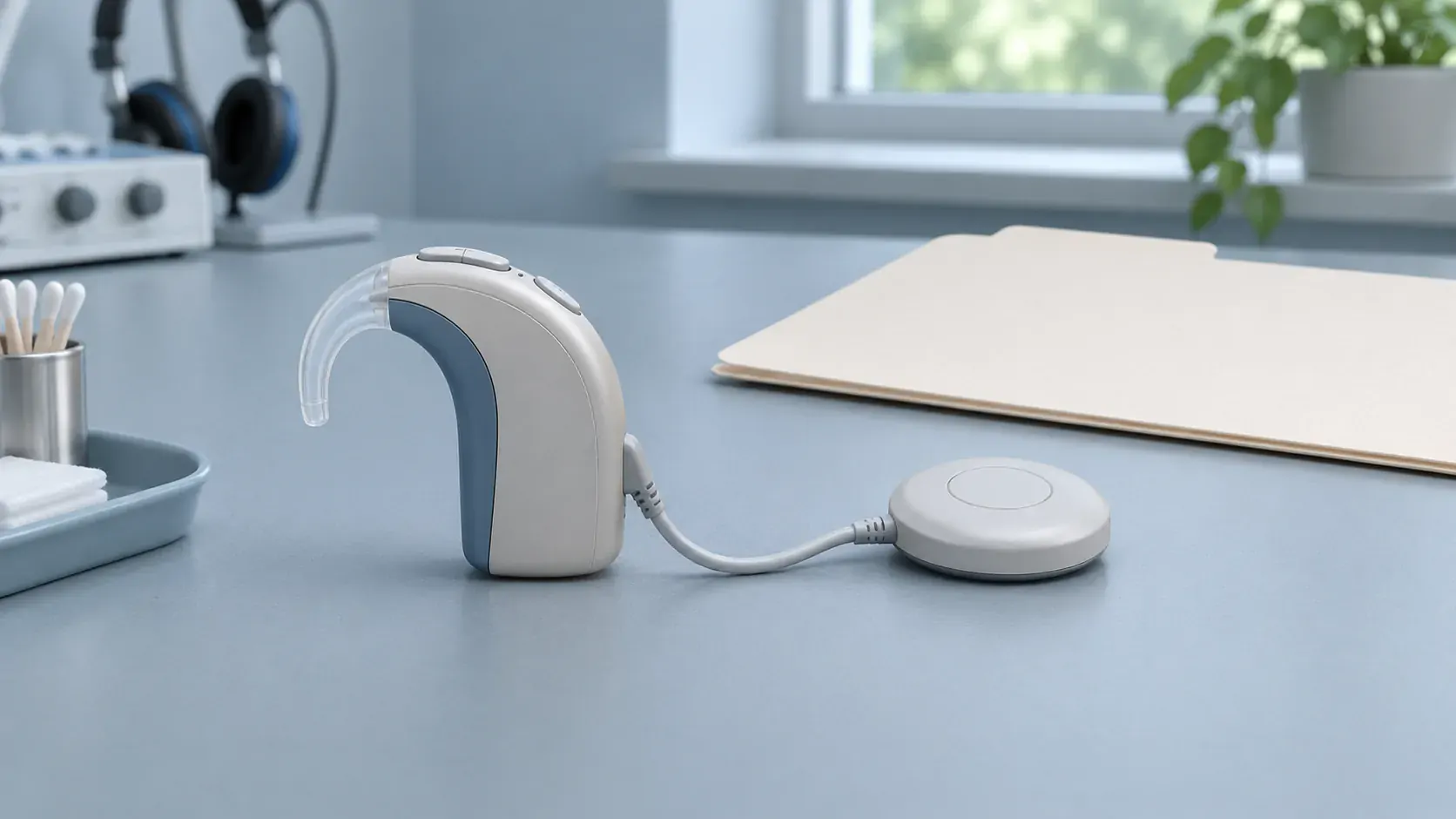
What to discuss at the evaluation
The ear and hearing team considers the test results, how much the hearing aids help, and the person’s listening and communication needs. Ask what further evaluation is needed, what alternatives are available and what benefits, risks and limitations to expect.
If the person has diabetes, high blood pressure or another chronic condition, share medication and recent test records and tell the hospital about previous surgery or anesthesia. The treating team decides whether these conditions need further management or testing before surgery can be scheduled.
Plan surgery, activation and programming as separate steps
Discharge and activation happen at different times. The team decides when to activate the device based on wound healing and follow-up findings. Programming continues after activation, and the patient needs time to get used to the new sound input. Families can ask during the assessment how listening and language rehabilitation would continue.
Before booking your return trip, ask the hospital for separate dates for the wound check, first activation and later programming. Confirm which visits should take place in China and when you may travel home.
Identify the team that will provide follow-up at home
Before traveling, ask a local hearing center whether it can program the proposed device and provide rehabilitation. At discharge, request the hospital summary, device model and identifiers, any programming records, and the follow-up plan. Ask both teams what to send and whom to contact if there is a device or wound problem.
See Jun Wang’s work in hearing rehabilitation and cochlear implant evaluation
Need help?
Tell us about your situation and needs. Incomplete records are welcome.